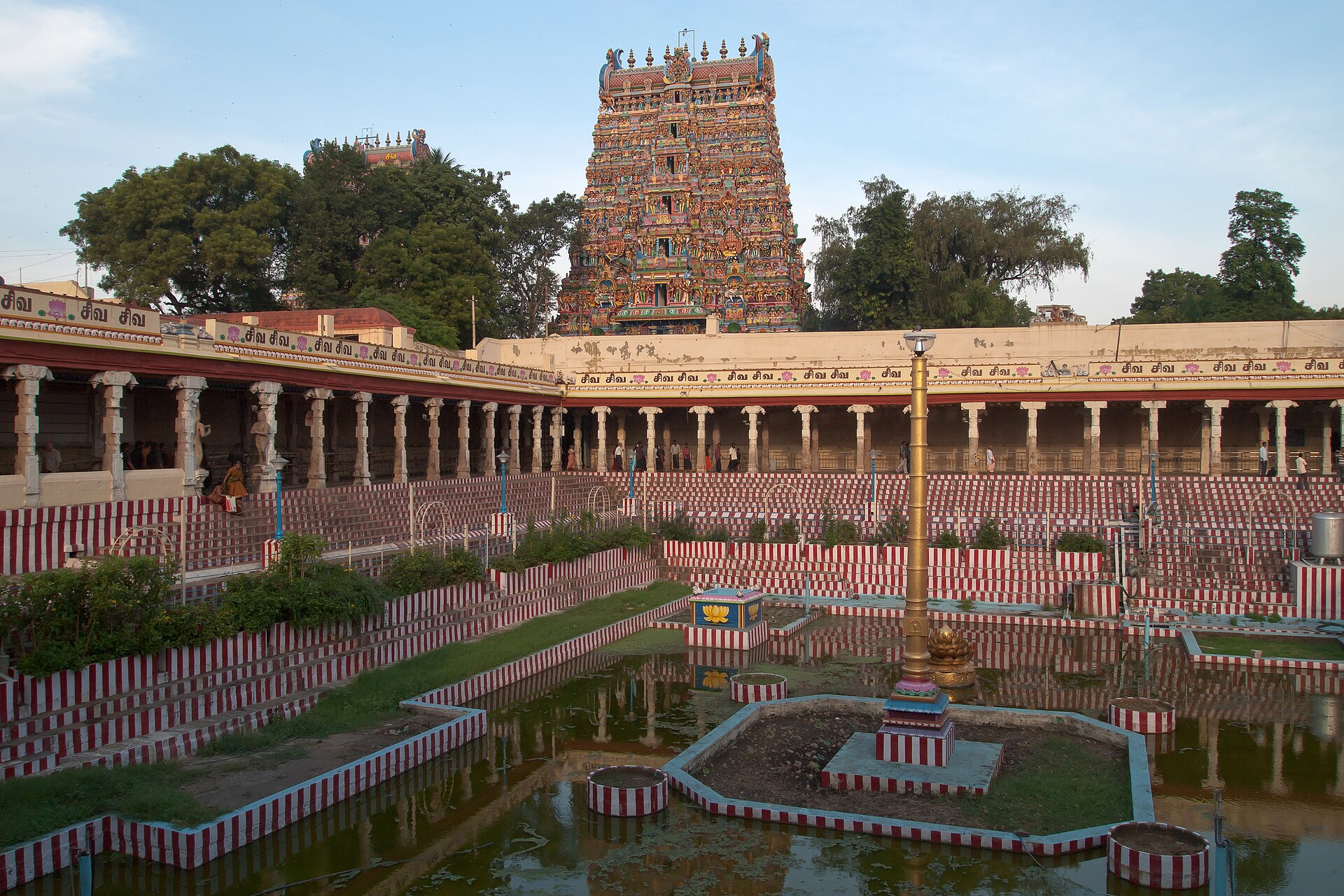
The god is in the image, once invited.
Prana-pratishtha installs the deity in stone or bronze, and from that moment the murti is bathed, dressed, fed, woken, garlanded and put to bed. The Arya Samaj and the Lingayats reject the entire apparatus, and both are counted Hindu.
Image worship is the most visible Hindu practice and the one most often attacked from outside and inside. The theology is specific: the image is not a symbol and not a likeness but a place the deity has consented to be present in, invited by the prana-pratishtha rite and thereafter treated as a living guest with a daily schedule of waking, bathing, meals, an afternoon rest, and a bedtime. A temple deity in south India has wardrobes, jewellery inventories, and legal standing — Indian courts have held that the deity is a juristic person who can own property and be represented in litigation. Against this, the Arya Samaj from 1875 rejected images entirely as a corruption of Vedic religion, the Lingayats wear a portable lingam instead of visiting temples, and Nirguna bhakti poets like Kabir mocked stone worship in language no outsider could get away with. All of them are inside the fold.
The same ground, other faiths
claims that share this one's ideasSign in to open the first thread. Everything here is attributed.