What the ascetic renounces, the tantric uses.
Tantra takes the body, the senses and desire as the material of practice rather than the obstacle to it — mantra, yantra, mudra, and an energy woken at the base of the spine. Most Hindus absorb its methods through ordinary temple ritual without ever using the word, and the transgressive left-hand rites are practised by very few and disowned by nearly everyone.
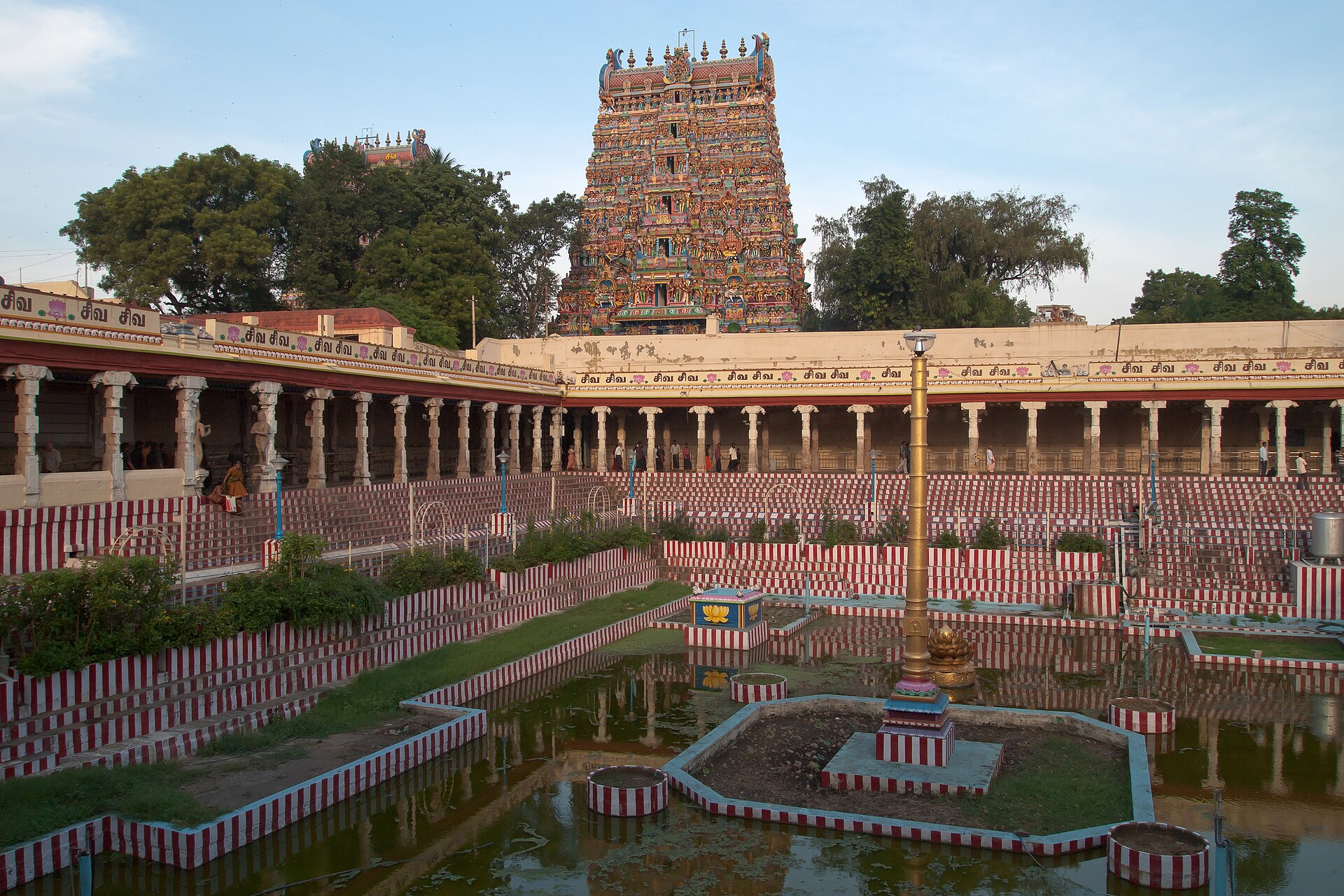
Tantra is a body of ritual technology rather than a sect, and it is present nearly everywhere in Hinduism without being announced. The Agamas that govern temple construction and worship are tantric texts; the mantras, mudras, mandalas and installation rites of an ordinary south Indian temple are tantric in method; Srividya, the elegant and thoroughly respectable Shakta school built around the Sri Yantra, has been practised by Shankaracharyas. Kashmir Shaivism, systematised by Abhinavagupta around 1000 CE, is one of the most sophisticated bodies of philosophy India produced, and its account of recognition — that liberation is realising what you already are — is startlingly close to Zen. The transgressive rites involving meat, wine and ritual sex are real, textually attested, and practised by a tiny minority; the aghori ascetics of the cremation grounds are the visible edge of it. Colonial writers built their picture of tantra almost entirely from that edge, and popular Western usage, in which the word means a slow approach to sex, is a distortion of a distortion.
The same ground, other faiths
claims that share this one's ideasSign in to open the first thread. Everything here is attributed.