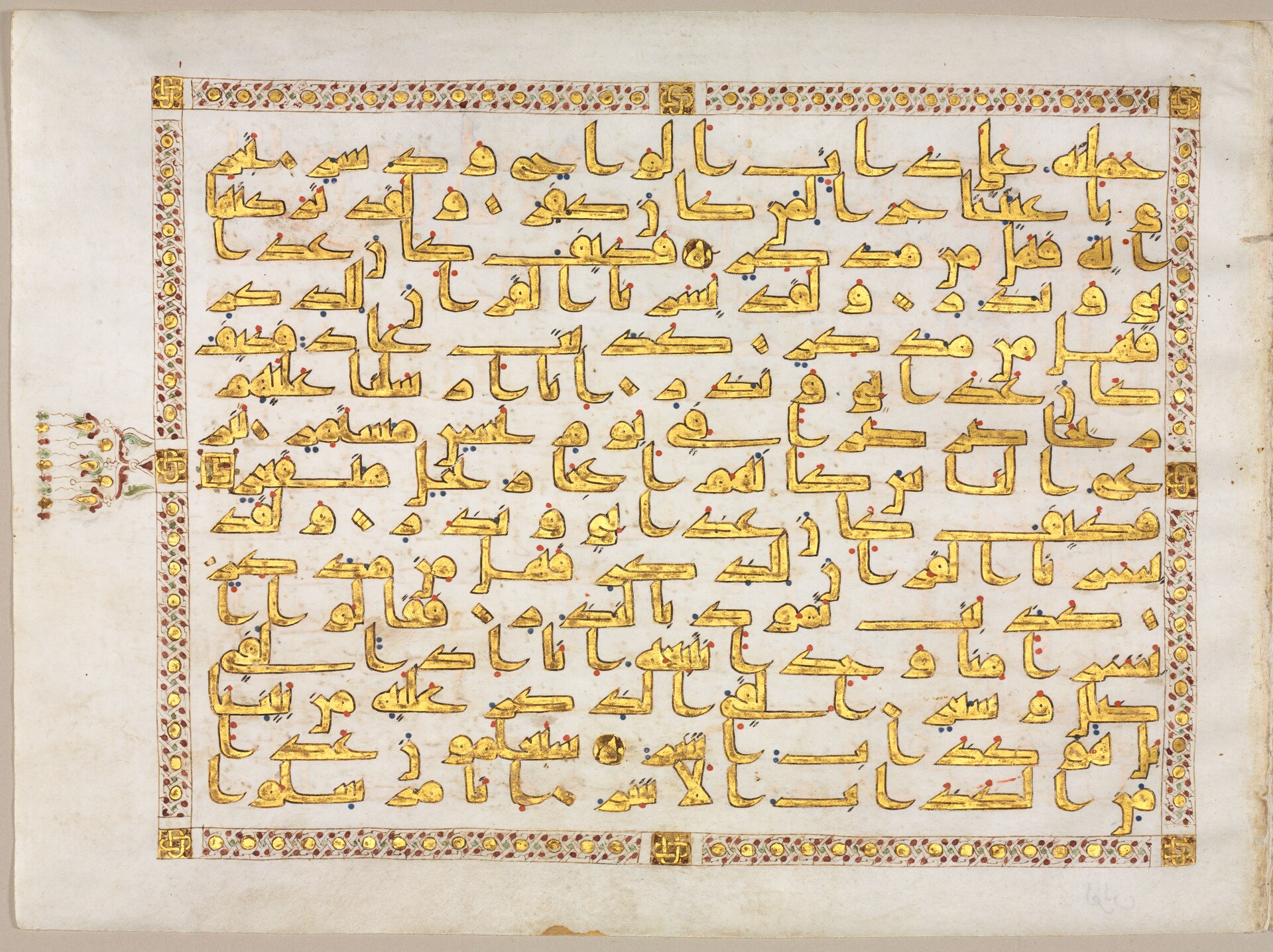
God decreed it, and you will answer for it.
Both halves are asserted, and reconciling them is the oldest fight in Islamic theology. The Ash'ari answer is kasb — God creates the act, the human acquires it. The Mu'tazila and the Twelver Shia rejected that as making God the author of injustice, and hold human acts genuinely free.
Qadar is the article of faith that the tradition has argued about longest and settled least. The early Qadariyya asserted human freedom, the Jabriyya asserted compulsion, and the Ash'ari school split the difference with kasb — a doctrine critics from both directions have called a verbal trick. What ordinary practice does with this is different from what theology does: maktub, it is written, is said at funerals and after accidents, while nobody says it about their own laziness. Twelver Shia theology takes God's justice as a root of religion, which forces the free-will answer, and the classical Shia formula is an affair between the two affairs — neither compulsion nor delegation. Ask a Muslim on the street and you will typically get both halves in the same sentence, which is arguably the tradition's actual position.
The same ground, other faiths
claims that share this one's ideasSign in to open the first thread. Everything here is attributed.