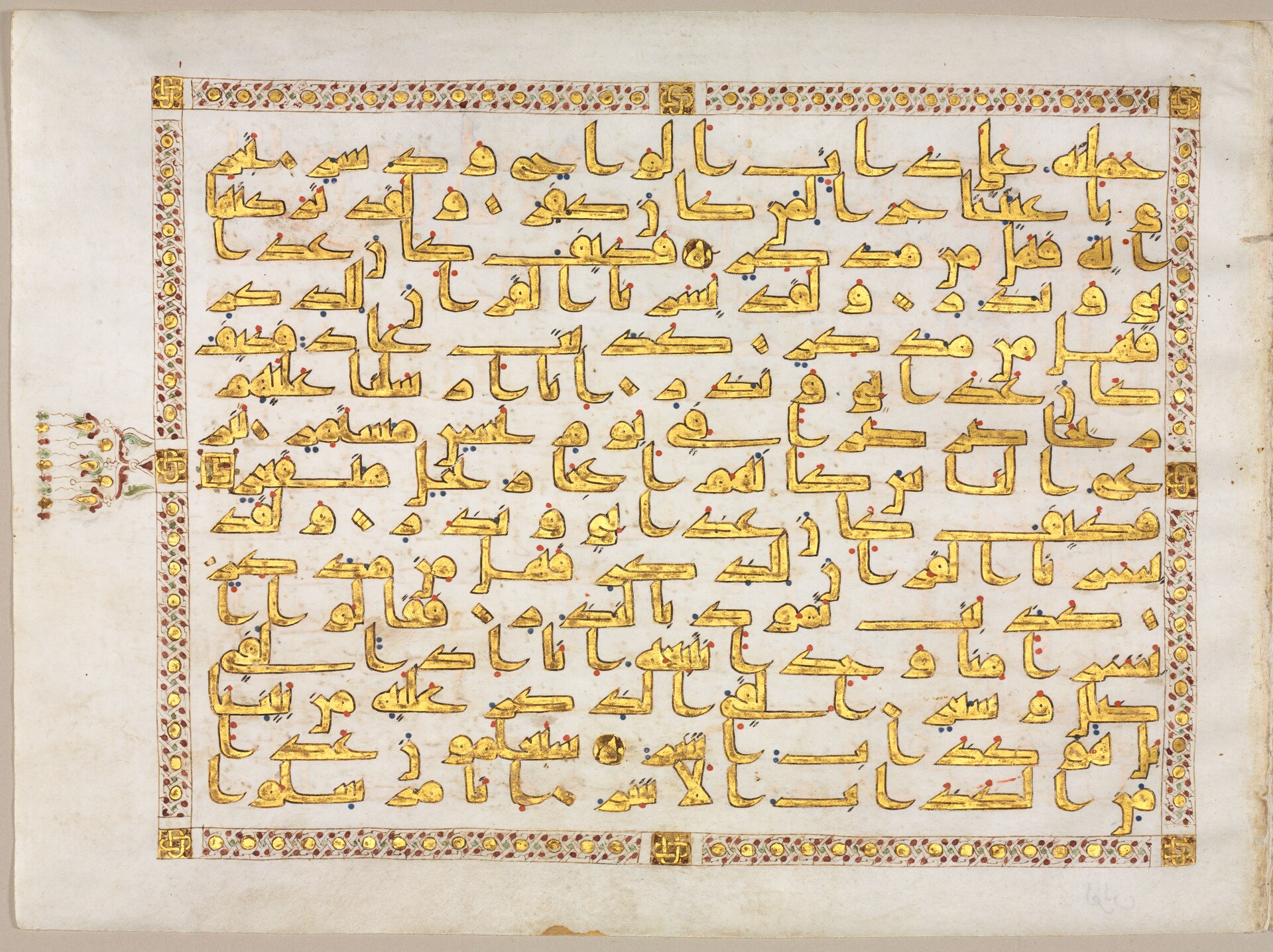
The grave is not empty waiting.
Between death and resurrection lies the barzakh, and it opens with two angels, Munkar and Nakir, and three questions: who is your Lord, what is your religion, who is this man. The grave then widens into garden or closes in. Modernist scholars and some Salafis read the scene as figurative; the funeral liturgy does not.
Barzakh means barrier, and the intermediate state has a fuller liturgy attached to it than most outsiders expect. The talqin — prompting the dead with the answers to the three questions — is recited at the graveside in much of the Muslim world, and it is one of the practices Salafi reformers object to as innovation. Sunni and Shia both hold the questioning; the Shia version adds a question about the Imams. The punishment of the grave, adhab al-qabr, is a standard part of Sunni creeds, and the daily prayer includes seeking refuge from it. It is also one of the first things modernist theologians reach for when arguing that eschatological language is symbolic, which puts them at odds with the funeral rites their own communities perform.
The same ground, other faiths
claims that share this one's ideasSign in to open the first thread. Everything here is attributed.