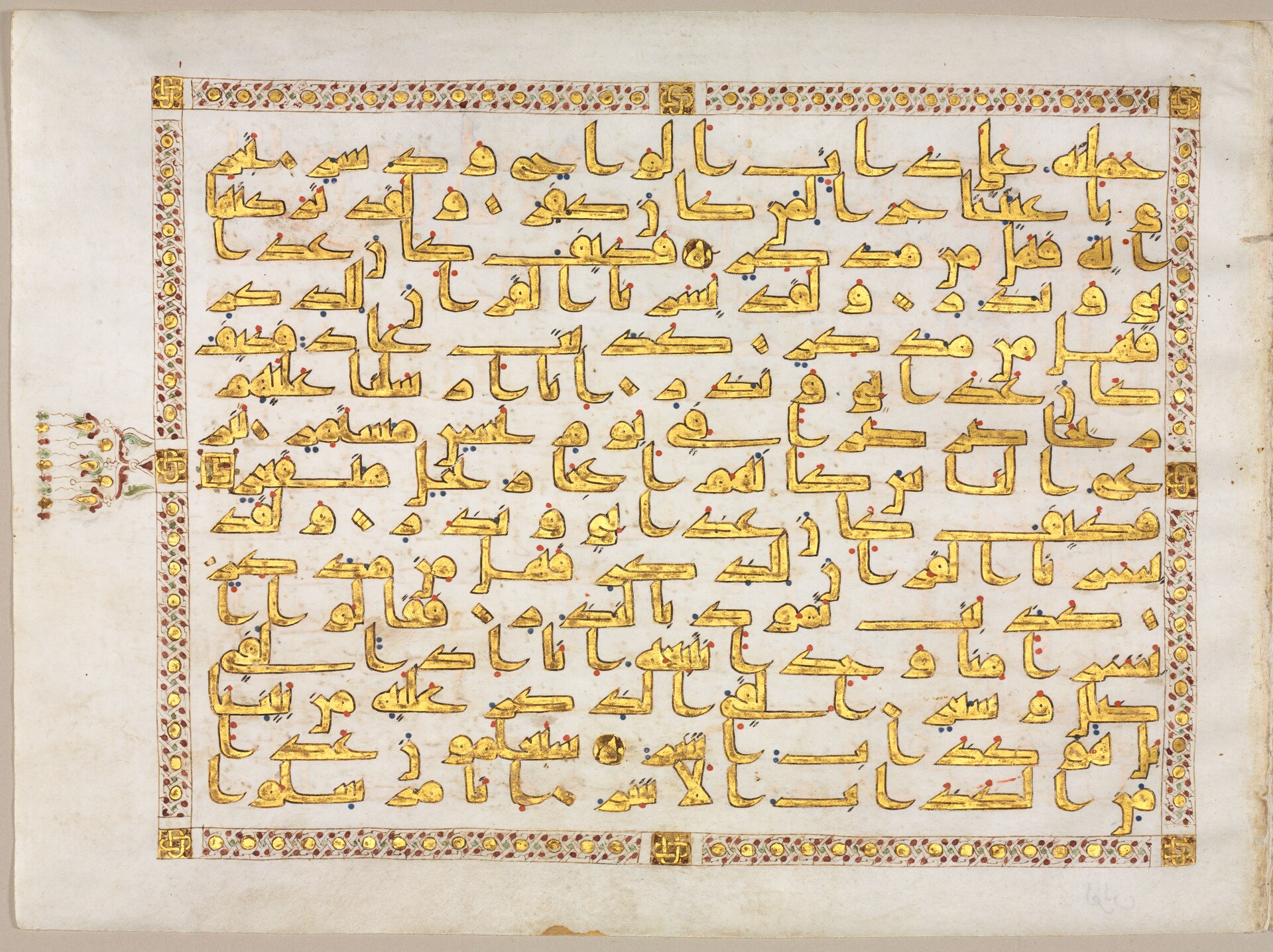
Someone will speak for you.
On the Day the Prophet intercedes — shafa'a — and most Muslims extend that to prophets, martyrs, the Quran itself, and the friends of God. Salafi scholars accept only intercession requested of God directly, and hold that asking the dead to intercede is precisely what tawhid forbids.
Intercession is where Islam's theory and Islam's practice pull hardest against each other. The theory is direct access: no priest, no mediator, ask God yourself. The practice, across most of Islamic history and most of the Muslim world today, involves asking the Prophet and the friends of God to put in a word — tawassul — at shrines, in poetry, and in the standard blessings. Ibn Taymiyya attacked the practice in the fourteenth century and was jailed over it; the eighteenth-century Wahhabi movement made his position policy, and the demolition of tomb structures at Jannat al-Baqi in Medina on 8 Shawwal 1344 is still commemorated annually by Shia Muslims as a day of mourning. Sources put that demolition in 1925 or 1926. This one doctrine explains more of the internal Sunni conflict of the last century than any other.
The same ground, other faiths
claims that share this one's ideasSign in to open the first thread. Everything here is attributed.