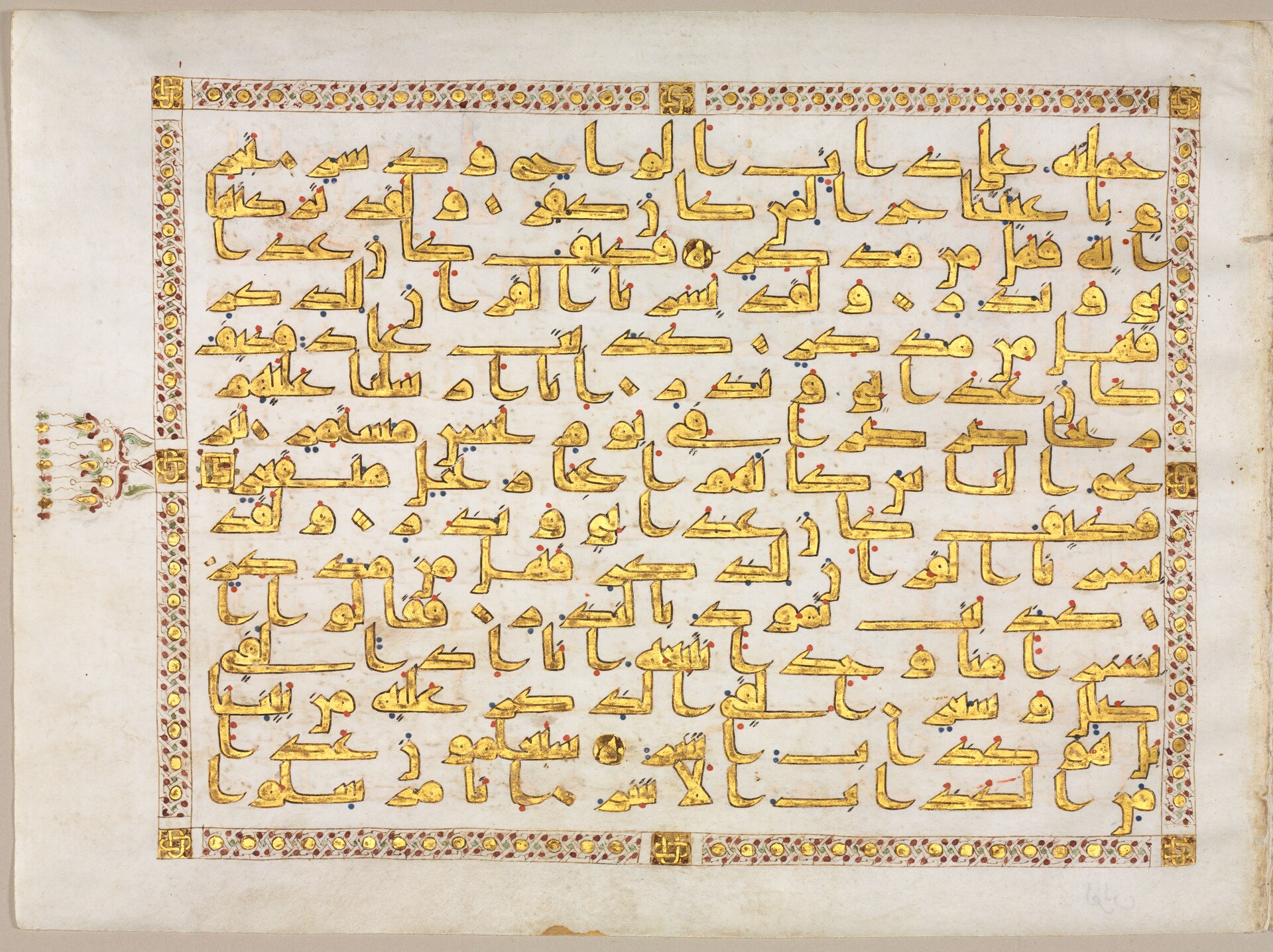
The tongue.
Islam's most preached and least kept rule. Al-Ghazali devotes a full book of the Ihya to it and lists twenty diseases of the tongue; almost all of them are ordinary conversation, which is exactly his point.
Ghiba is defined with unusual precision: mentioning your brother in a way he would dislike. If what you said is false, that is buhtan, slander, and worse. The definition catches almost all ordinary complaining, which is why the Quran uses its most visceral image for it — would any of you like to eat the flesh of his dead brother. Classical scholars then built the exemptions, and the list matters: seeking redress, warning someone entering a marriage or a business, asking for a fatwa, identifying an unrepentant public wrongdoer. Those exemptions are load-bearing right now. Muslim communities dealing with abuse by imams and teachers have had to argue explicitly that naming an abuser is not backbiting — a position scholars including the Shafi'i tradition's own manuals support, and one that has still had to be won case by case.
Do not spy, and do not backbite one another. Would one of you like to eat the flesh of his dead brother? You would hate it.
Quran 49:12 (rendered)The image the tradition uses whenever the subject comes up.
The same ground, other faiths
claims that share this one's ideasSign in to open the first thread. Everything here is attributed.