Zakat — the due, not the donation.
Two and a half percent of what you have held for a lunar year, above a threshold set in gold and silver. The Quran names the eight categories who may receive it, which means it is a transfer with a specified list, not a gift with a warm feeling attached.
Zakat is a due rather than a donation and the vocabulary matters: it is owed, calculable, and its recipients are specified in the Quran rather than chosen by the giver. The rate is two and a half percent of qualifying wealth — cash, gold, silver, trade goods, and in most rulings investments — held for a full lunar year above the nisab threshold, which is pegged to the value of a set weight of gold or silver. Crucially it is a levy on stock, not income: a modest earner with no savings may owe nothing while an idle fortune is taxed annually. The eight categories in Quran 9:60 include the poor, the destitute, those in debt, the stranded traveller, the ones who collect it, and those whose hearts are to be reconciled — a category jurists have argued over for centuries. Malaysia, Pakistan, Sudan and Saudi Arabia collect it as a state levy in some form; elsewhere it goes through mosques and charities, and global zakat flows are estimated in the hundreds of billions of dollars a year.
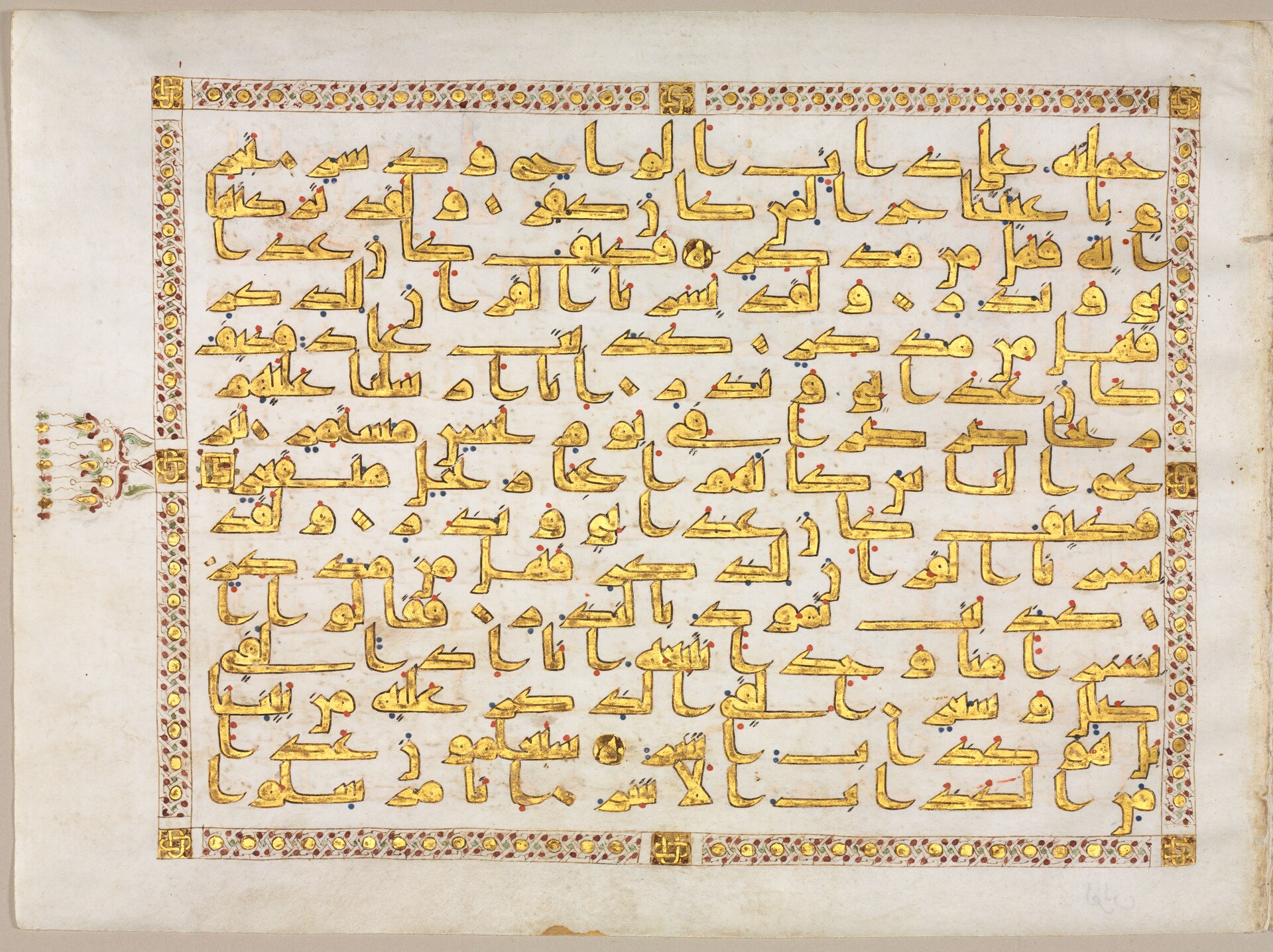
Alms are for the poor and the needy, and those employed to administer them, and those whose hearts are to be reconciled, and for freeing captives, and for those in debt, and in the cause of God, and for the traveller.
Quran 9:60 (rendered)The eight categories. Zakat is a transfer with a specified list of recipients, not a gift with a warm feeling attached.
The same ground, other faiths
rites that share this one's ideasSign in to open the first thread. Everything here is attributed.