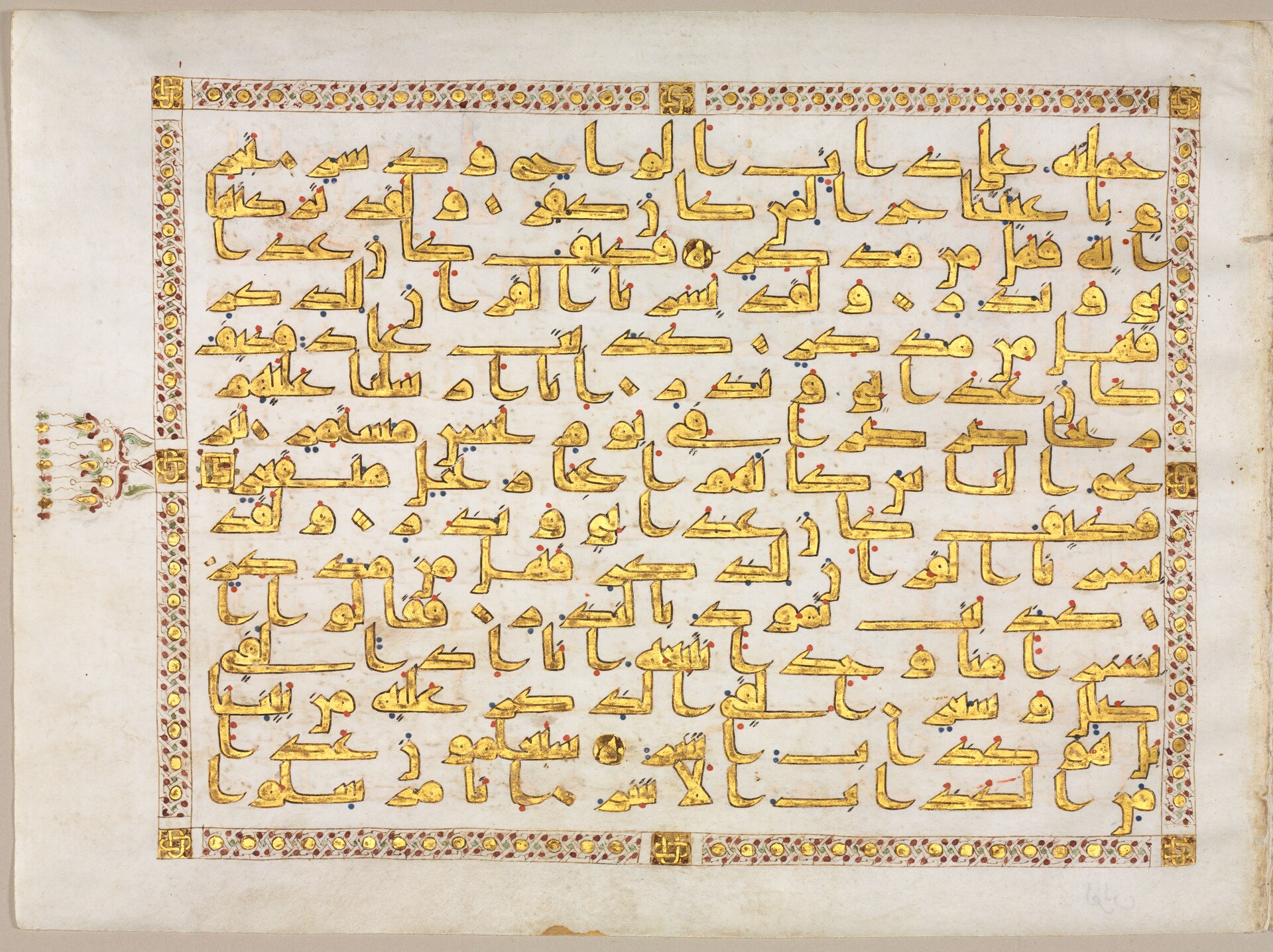
The qurbani.
An animal slaughtered at Eid al-Adha and divided in three — the household, the relatives, the poor. For a large share of the world's poorest Muslims this is the meat they eat that year, which is why the third portion is not optional and why agencies now run it at scale.
The qurbani re-enacts the substitution in the Ibrahim story, and the rules are practical rather than mystical: the animal must be of a certain age and free of defect, killed swiftly with a sharpened blade and the name of God spoken, and the meat divided into three — household, relatives and neighbours, and the poor. That last third is not optional, and it is the reason Eid al-Adha is the one time of year when meat reaches households that otherwise never buy it. A cow or camel counts for seven shares, so families club together. The modern version increasingly involves paying an agency to perform it in Somalia, Yemen or Bangladesh and distribute the meat there, which is efficient and which some scholars dislike, because it removes the household from the act entirely. Turkey, Pakistan and Bangladesh see enormous temporary livestock markets in the days before; the logistics and the animal welfare arguments around them are annual news.
The same ground, other faiths
rites that share this one's ideasSign in to open the first thread. Everything here is attributed.