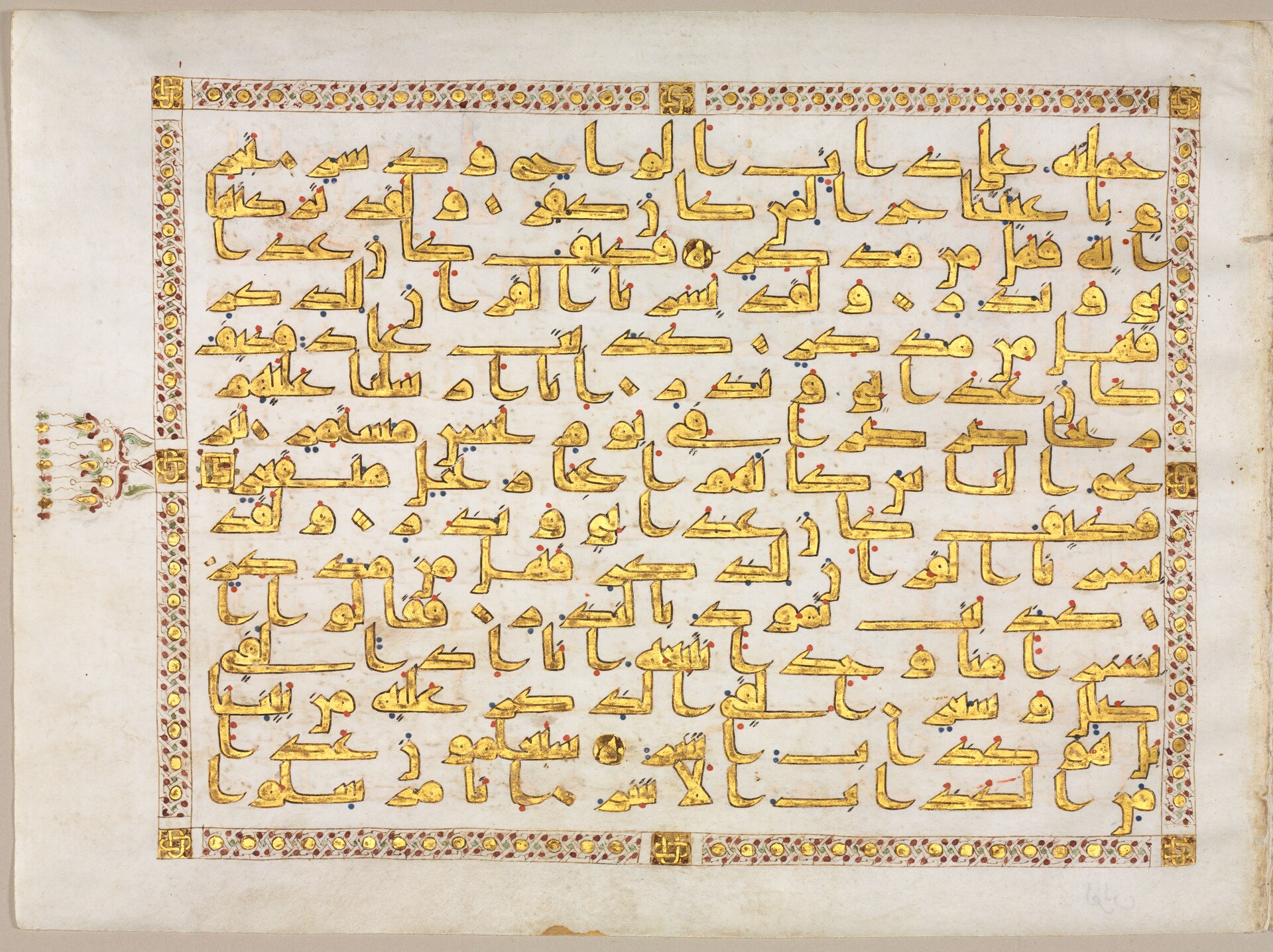
The farewell sermon.
Months before his death, to the largest gathering of his life: the equality of persons, the sanctity of life and property, the rights of women, the finality of the message. The tradition's own chosen summary.
The farewell sermon at Arafat is Islam's self-selected summary, delivered months before the Prophet's death to the largest crowd of his life. It abolishes blood vengeance and usury by naming his own family's claims first, declares Arab superiority over non-Arab and white over black to be nothing except in piety, states obligations toward women, and ends by asking the crowd to bear witness that he delivered the message. Muslims cite it constantly in arguments about racism and rights within the community.
No Arab has superiority over a non-Arab, nor a non-Arab over an Arab; no white over black, nor black over white — except in piety.
The farewell sermon (rendered)Quoted constantly in arguments about racism inside the community.
The same ground, other faiths
claims that share this one's ideasSign in to open the first thread. Everything here is attributed.