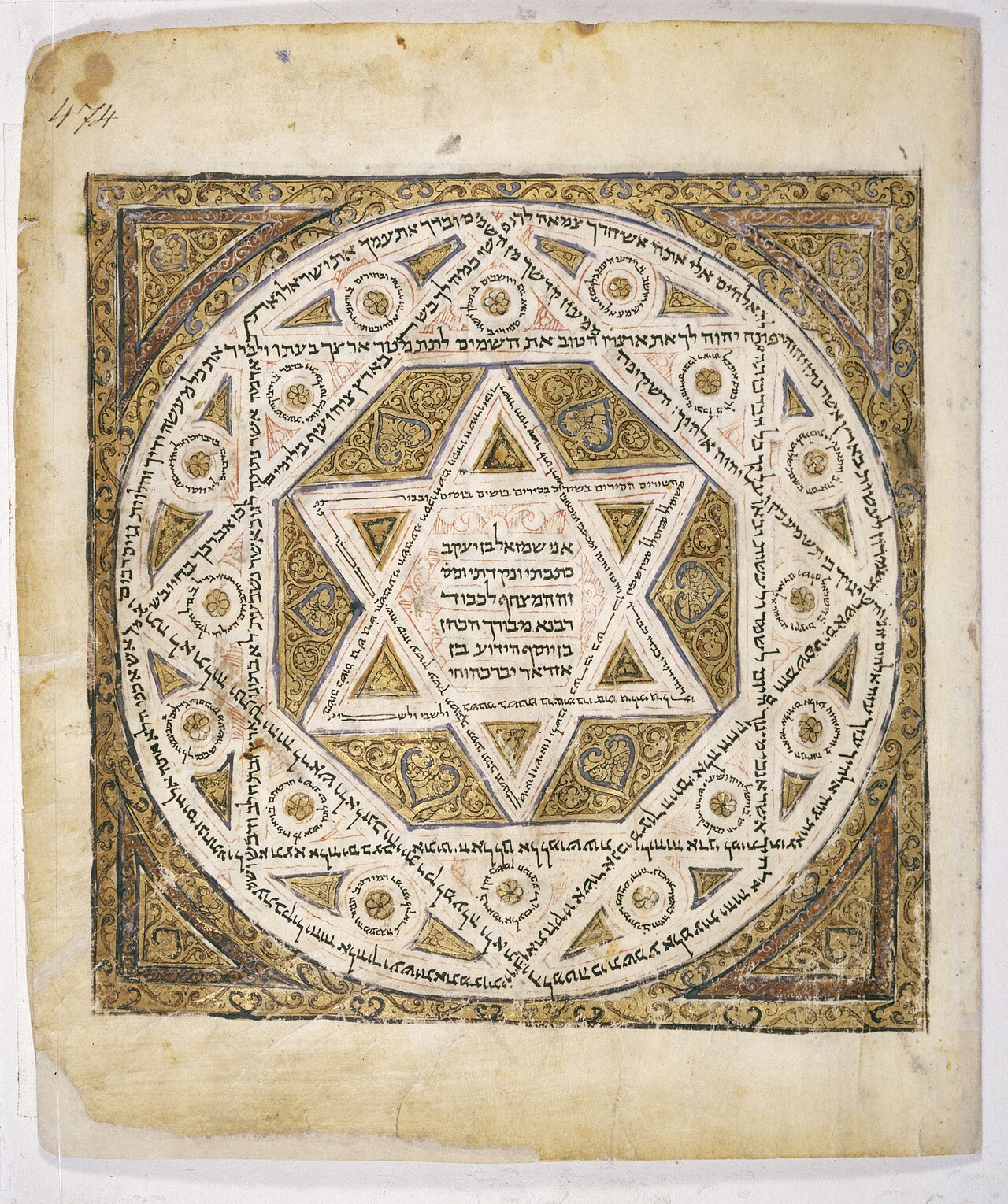
Kamtza and Bar Kamtza.
A man is thrown out of a party in front of the sages; humiliated, he informs on the community to Rome. The Talmud blames the rabbis in the room for their silence, and pins the destruction on baseless hatred rather than on the empire that did it.
This is the tradition's indictment of itself and it is not a subtle one. A man sends an invitation to his friend Kamtza; the servant delivers it to his enemy Bar Kamtza, who arrives at the banquet and is publicly ordered out. He offers to pay for his food, then for half the party, then for the whole thing, and is thrown out anyway — in front of the assembled rabbis, none of whom object. Humiliated, he goes to the emperor and engineers a rejected sacrifice, and the revolt and the destruction follow. The Talmud says explicitly that Jerusalem was destroyed because of Kamtza and Bar Kamtza, and elsewhere gives the general verdict: the Second Temple, where Torah and commandments and acts of kindness were practised, fell because of sinat chinam, baseless hatred among Jews. The move is deliberate and unusual — a defeated people writing a national catastrophe as its own moral failure rather than as the crime of the empire that carried it out. It is quoted constantly in contemporary Jewish argument, usually by whichever side feels hated.
The Second Temple — why was it destroyed? Because baseless hatred was rife in it.
Talmud, Yoma 9b (rendered)A national catastrophe filed under our fault, by the people it happened to.
The same ground, other faiths
claims that share this one's ideasSign in to open the first thread. Everything here is attributed.