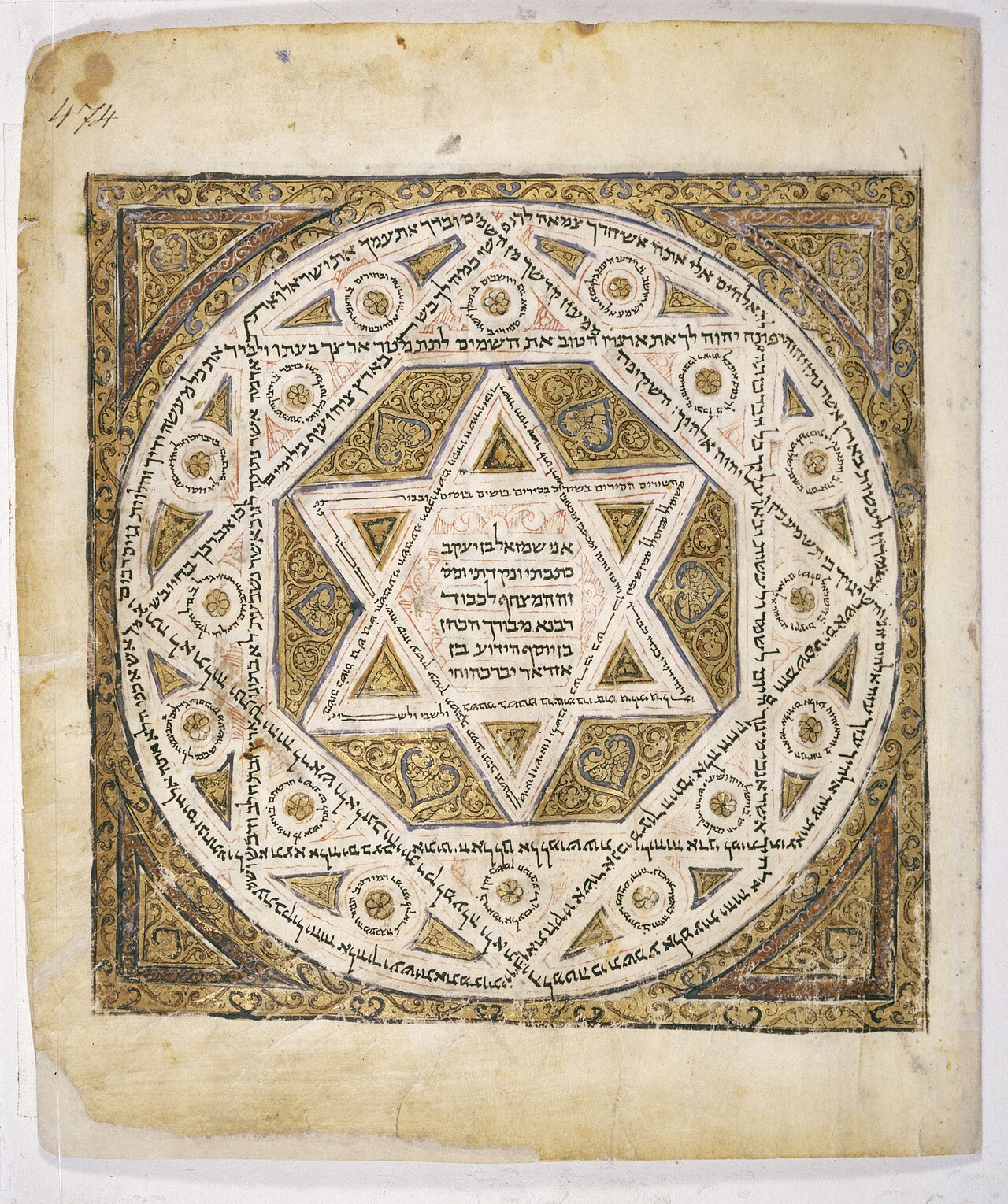
Brit milah.
Postponed without argument for jaundice or illness: health outranks the eighth day. Germany's 2012 court ruling against circumcision united every Jewish movement in opposition inside a week, and the Bundestag legislated it back within six months.
Brit milah is performed on the eighth day by a mohel, with the child held by a sandak — usually a grandfather, and the most honoured role in the room. A chair is set aside for Elijah, who is expected at every circumcision; the child's Hebrew name is announced for the first time immediately after; wine is blessed and a drop given to the infant. It goes ahead on Shabbat and on Yom Kippur, which almost nothing else does, and it is postponed without argument for jaundice, prematurity or illness, because danger to a life overrides the day. Sephardi and Mizrahi families hold a night of watching before it, and Moroccan and Yemenite communities have their own liturgies and elaborate chairs. The objections are real and come from three directions: from secular Jewish parents uneasy about non-consensual surgery, from a small Jewish movement that performs brit shalom, a naming with no cut, which no Orthodox authority recognises, and from European legislatures. A regional German court ruled in 2012 that circumcision constituted bodily harm, which united every Jewish movement and most Muslim organisations in opposition and was reversed by federal legislation within six months. The practice remains among the most widely observed in Judaism, including by Jews who observe nothing else.
The same ground, other faiths
rites that share this one's ideasSign in to open the first thread. Everything here is attributed.