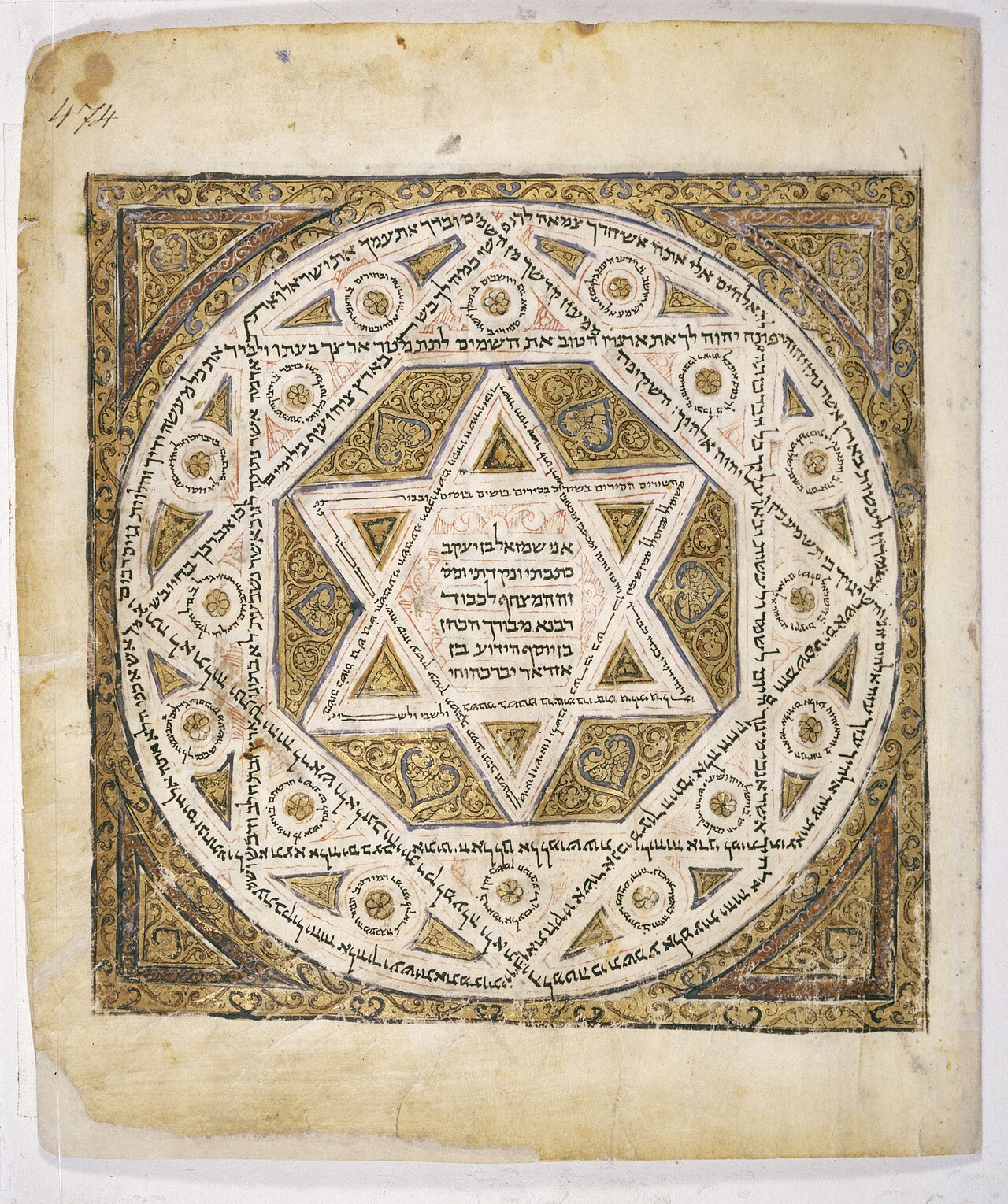
The Mishnah.
It records the opinions that lost, says who held them, and explains why they were kept: so that a later court can revive one. That single decision is the reason Jewish law has a reverse gear.
The Mishnah is the hinge of the whole tradition: the moment the oral law was written down, around 200 CE, after the Temple was gone and the second revolt had failed. Its Hebrew is terse and technical, closer to a statute book than to scripture, and it is organised by subject rather than by verse — agriculture, festivals, marriage and divorce, civil and criminal law, Temple offerings, and ritual purity, two of which had no practical application when it was compiled and were included anyway. Its most consequential editorial decision is to record rejected opinions attributed by name, and the Mishnah itself explains why: so that if a later court prefers the minority view it has standing to adopt it. That single provision is why Jewish law can change without breaking. Learning Mishnah in memory of the dead is a widespread custom on the strength of a wordplay — the same letters spell neshamah, soul — and Sephardi and Hasidic communities in particular organise the whole six orders to be divided among mourners and completed on the yahrzeit.
Why do they record the opinion of the individual alongside that of the majority, when the law follows the majority? So that if a later court sees fit, it may rely on it.
Mishnah Eduyot 1:5 (rendered)A legal system building itself a reverse gear, in the first century of its own existence.
The same ground, other faiths
claims that share this one's ideasSign in to open the first thread. Everything here is attributed.