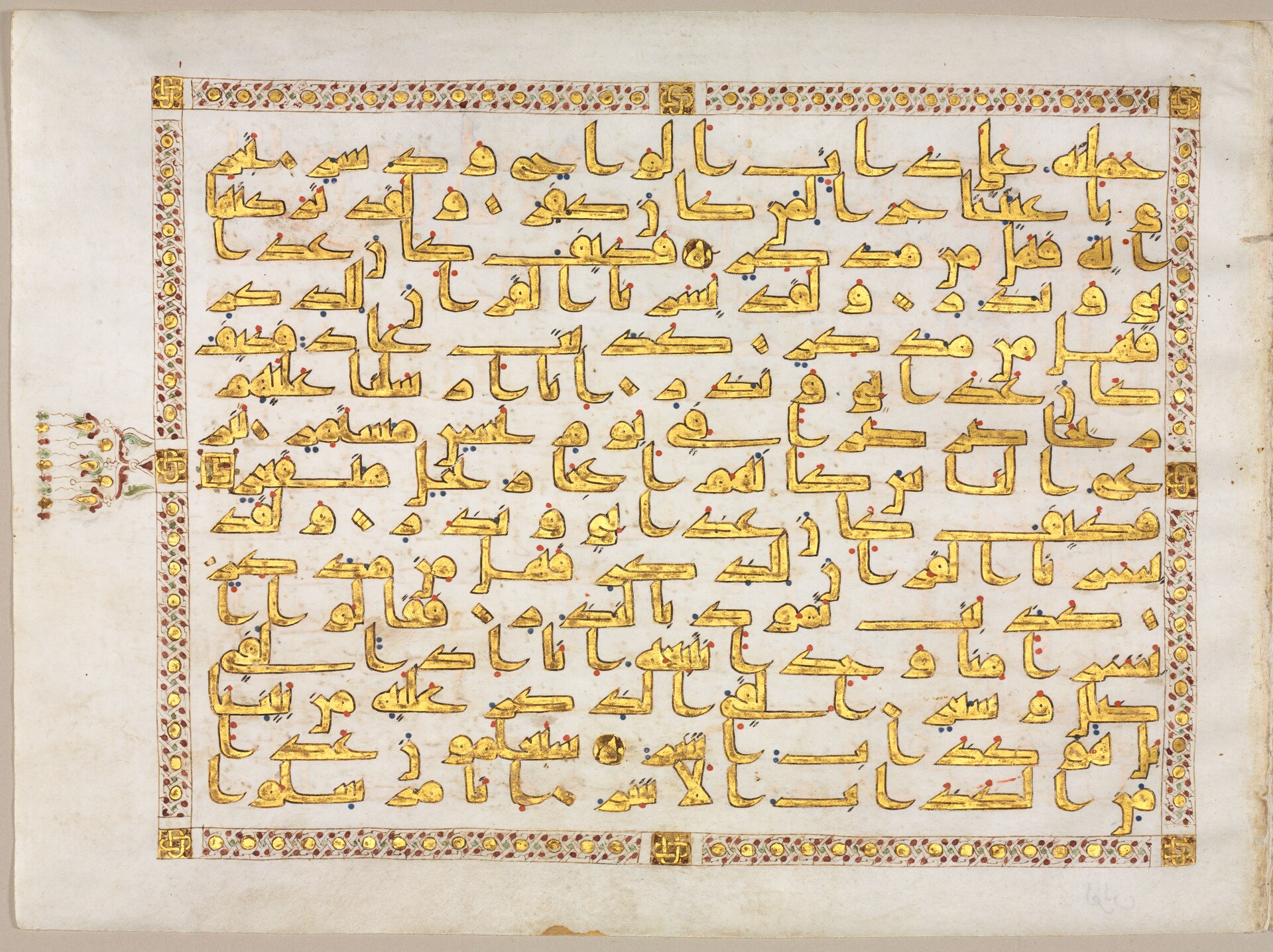
Nahj al-Balagha.
The sermons and letters attributed to Ali, collected around 1010. The letter of instruction to Malik al-Ashtar on governing Egypt is read as a manual of just administration well outside Shia circles, and the Arabic itself is taught as a model of prose. Some Sunni scholars dispute the attribution.
Nahj al-Balagha, the Path of Eloquence, was compiled around 1010 by al-Sharif al-Radi from sermons, letters and aphorisms attributed to Ali ibn Abi Talib. Its most famous piece is the letter of appointment to Malik al-Ashtar as governor of Egypt, which instructs him that people are of two kinds, either brothers in faith or equals in creation, and lays out obligations to the poor, limits on the ruler's anger, and the duty to keep the powerful from eating the weak — it is quoted in modern Arab constitutional and human rights argument, and Kofi Annan is reported to have commended it. The book is central for Shia Muslims and read well outside them, partly for the Arabic itself, which is taught as a model of rhetorical prose. Its authenticity is disputed: some Sunni scholars have argued portions are later composition, and Shia and sympathetic Sunni scholars have argued back with source-tracing. That argument does not much affect its use, which is closer to how the Psalms are used than to how a legal text is.
The same ground, other faiths
claims that share this one's ideasSign in to open the first thread. Everything here is attributed.