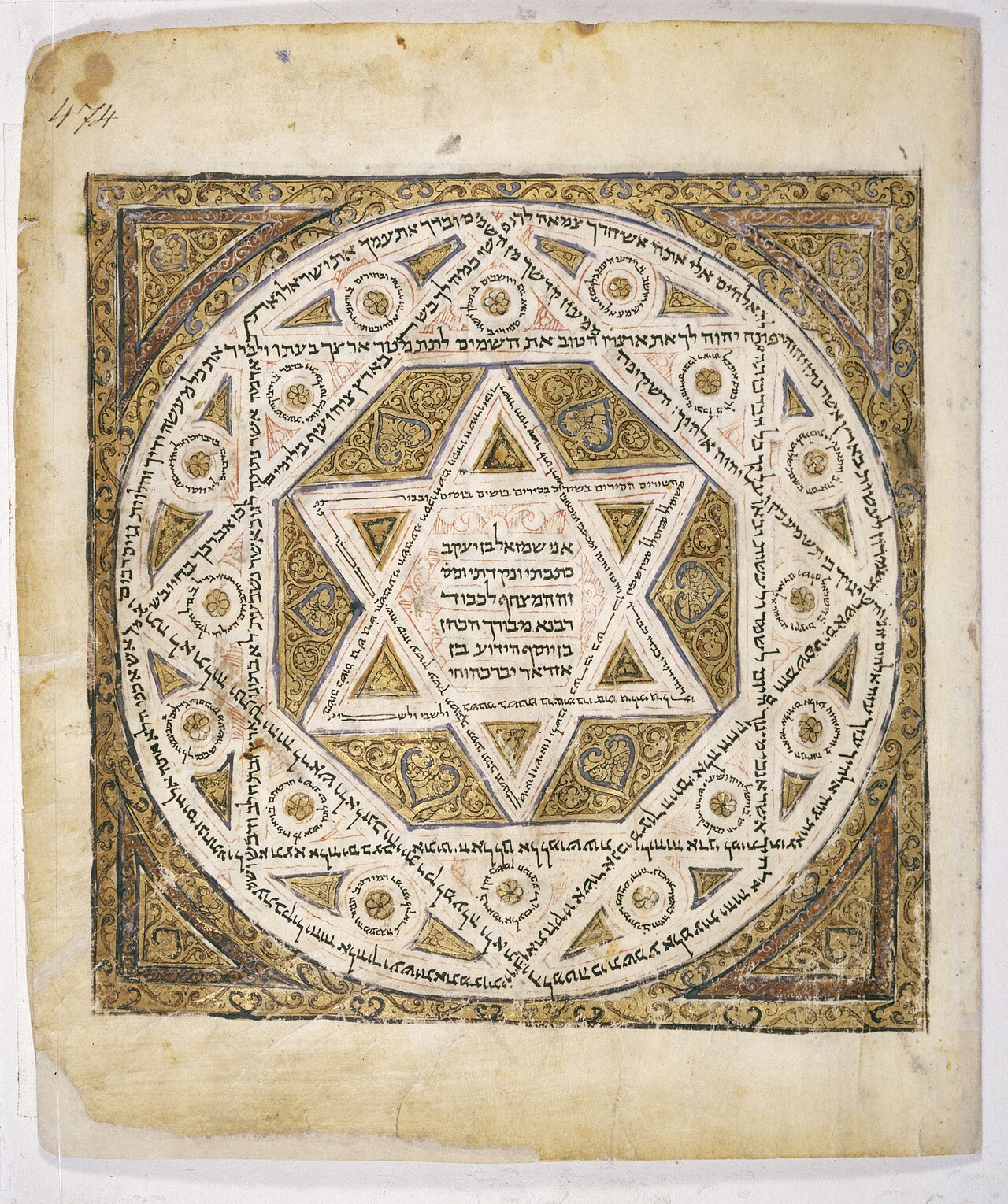
The Mishneh Torah.
He wrote it without citing a single source, which infuriated everybody, so that an ordinary person could look up the law and stop. Yemenite communities kept a text so accurate that modern critical editions are built on their manuscripts.
The Mishneh Torah is the only complete code of Jewish law ever written by a single person, and its ambition made it controversial from the day it appeared. Maimonides wrote it in clear Hebrew rather than Aramaic, organised it by topic rather than by tractate, ruled decisively on every question, and cited no sources at all — so a reader could look up the answer and stop. The rabbinic establishment read that as an attempt to make the Talmud redundant, and Avraham ben David of Posquières wrote objections that are now printed alongside the text. Its opening book is philosophy: the existence and unity of an incorporeal God, stated as law. Its final book covers the messianic king, and its closing paragraphs describe a world whose only occupation is knowing God. He included the laws of the Temple and its sacrifices in full because he expected them to be needed again. Yemenite Baladi Jews took it as their practical code and maintained it as such into the twentieth century, and their manuscript tradition is the most accurate surviving text, which is why modern scholarly editions are built on Yemenite copies.
The same ground, other faiths
claims that share this one's ideasSign in to open the first thread. Everything here is attributed.