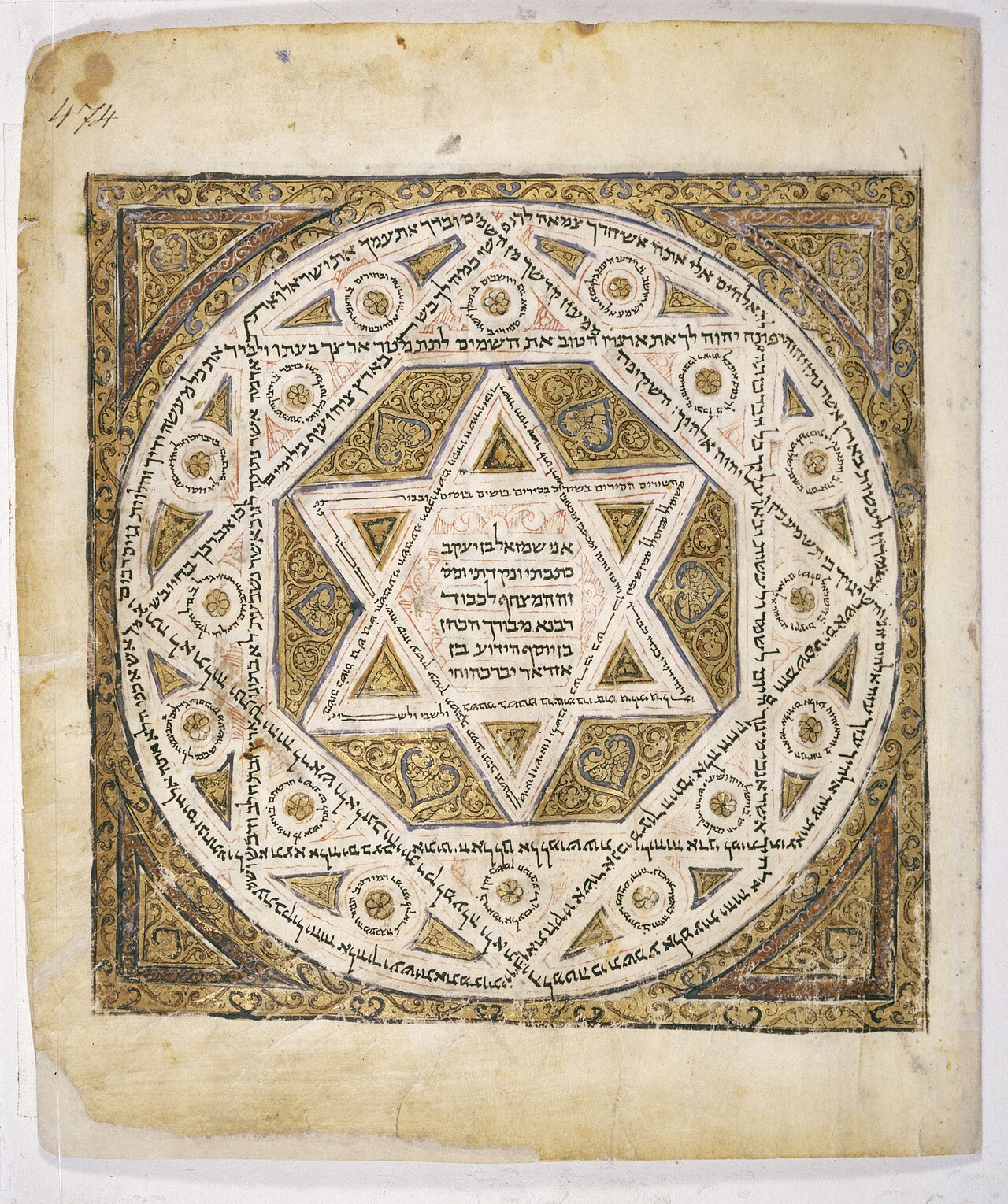
The Shulchan Aruch.
Karo wrote it as a digest for the young and the busy, and it became the code. Isserles called his glosses the Mapah — the tablecloth over Karo's set table — and the metaphor tells you exactly how much deference was involved.
The Shulchan Aruch is the closest thing Judaism has to a single legal authority and it only works because of a second author. Joseph Karo, a refugee from the Spanish expulsion who settled in Safed, wrote a vast analytical work, the Beit Yosef, and then distilled it into a plain digest he described as being for young students to review monthly — four sections covering prayer and the daily round, food and mourning, marriage and divorce, and civil law. Because Karo ruled by majority among three Sephardi authorities, his conclusions often diverged from Ashkenazi practice, and the book might have been ignored in northern Europe. Moses Isserles of Kraków wrote glosses recording Ashkenazi custom wherever it differed, called them the Mapah, the tablecloth spread over Karo's set table, and from 1578 the two were printed together. That is why one book governs communities that eat differently, marry differently and pray differently. Later commentaries accumulated in layers around both, and the practical answer to a halakhic question today usually comes from the twentieth-century commentaries rather than from Karo directly.
A person should strengthen themselves like a lion to rise in the morning for the service of their Creator.
Shulchan Aruch, Orach Chayim 1:1 (rendered)The first line of the code that governs the day — and it is about getting out of bed.
The same ground, other faiths
claims that share this one's ideasSign in to open the first thread. Everything here is attributed.