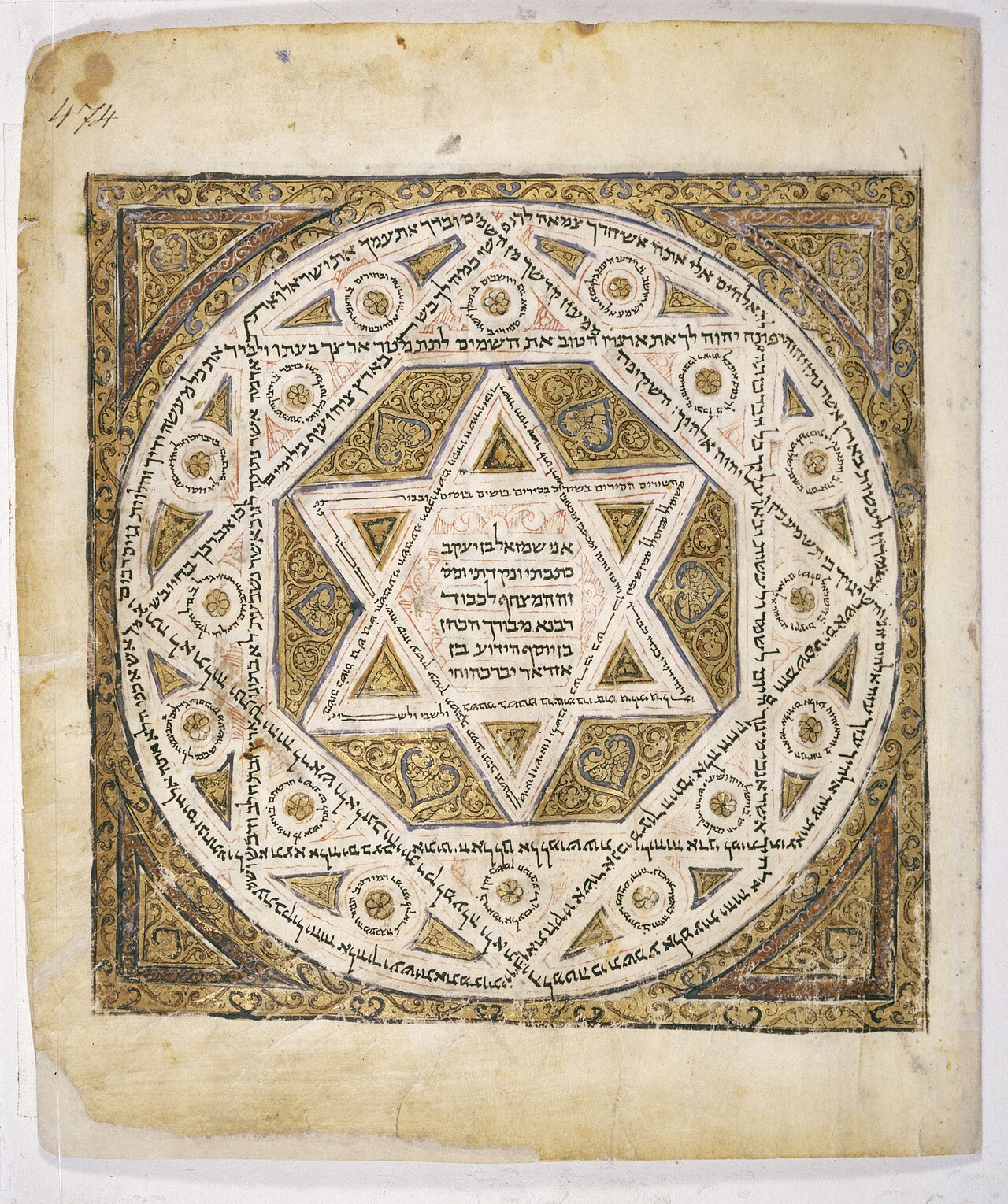
Kohen, Levi, Yisrael.
A kohen still avoids cemeteries and still may not marry a divorcee or a convert, which produces real heartbreak and a steady supply of rabbinic workarounds. Reform Judaism abolished the distinctions outright in the nineteenth century.
The tribal statuses are inherited through the father, cannot be renounced, and have almost nothing left to do. A kohen is called to the Torah first and a levi second; kohanim deliver the priestly blessing with hands raised and fingers split — every day in Israel and in most Sephardi communities, only on festivals in the Ashkenazi diaspora; a levi washes the kohen's hands beforehand. Against that, the restrictions are substantial: a kohen may not enter a cemetery or be under the same roof as a corpse, which affects hospitals and funerals, and may not marry a divorcee, a convert, or a woman whose past disqualifies her. That last rule is a genuine and recurring source of misery, and a large body of rabbinic ingenuity exists around casting doubt on a claimed kohen status when a marriage is at stake. Reform Judaism removed the categories entirely in the nineteenth century as inconsistent with equality. Genetic work in the 1990s on a Y-chromosome pattern common among self-identified kohanim generated a wave of newspaper coverage and considerably more confidence than the research supported, and the population geneticists have been walking it back ever since.
The same ground, other faiths
claims that share this one's ideasSign in to open the first thread. Everything here is attributed.