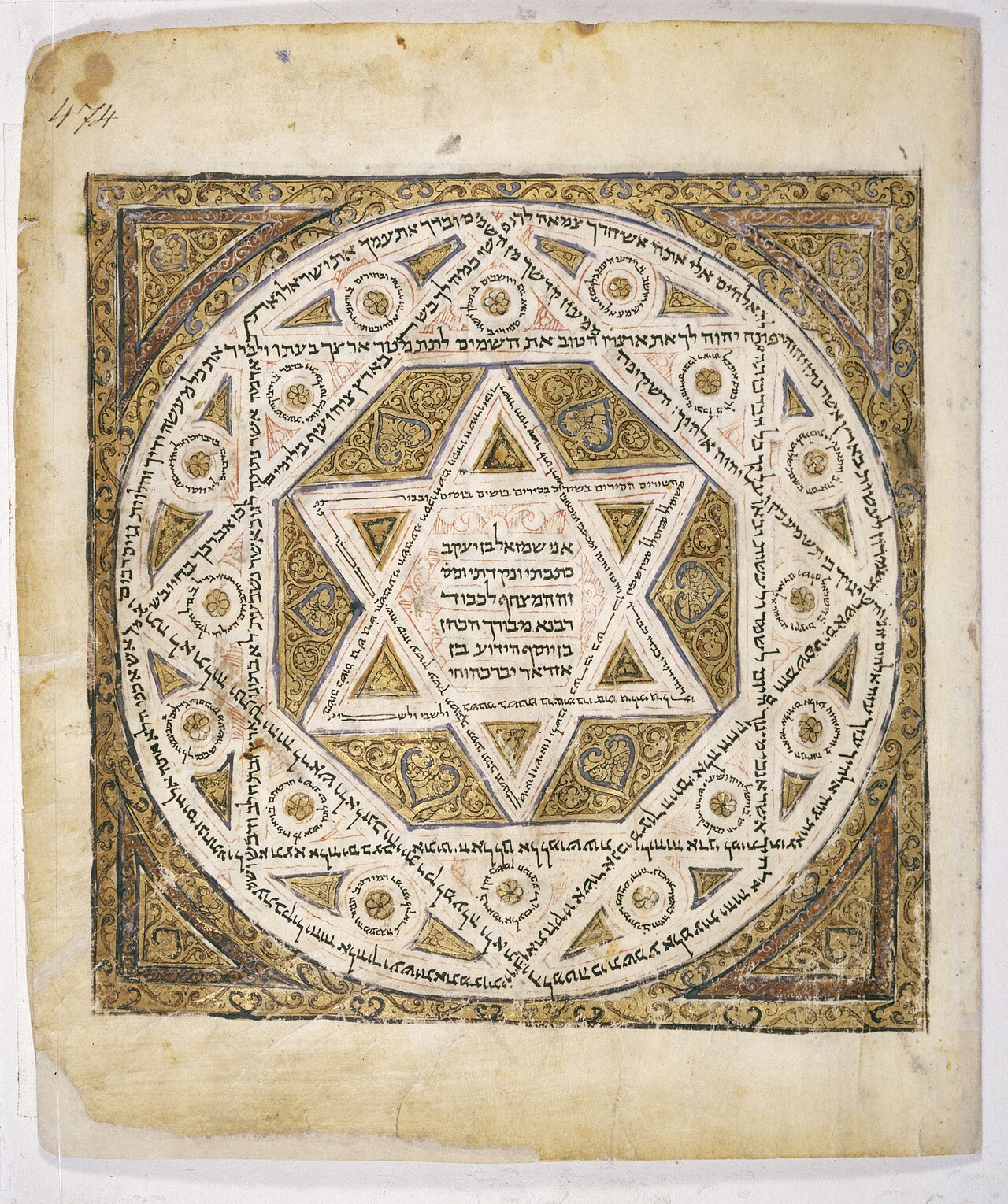
Yirah and ahavah — awe and love.
The tradition has an unresolved argument about which should drive the practice. Fear of heaven is the older idiom and the one Haredi education still runs on; the Hasidic and Sephardi devotional literature leans hard on love.
Awe and love are the two motives Jewish devotional literature recognises, and the relationship between them is argued in every century. Yirah — usually translated fear, better read as awe — is the older idiom: fear of heaven is what the Talmud says is the one thing not in heaven's hands, and Haredi education is still built on it. Ahavah is commanded in the Shema, you shall love the Lord your God with all your heart, all your soul and all your might, and Maimonides was untroubled by the idea of commanding an emotion, since he held that love follows knowledge and knowledge can be commanded. Bachya ibn Pakuda, writing in Judeo-Arabic in eleventh-century Zaragoza, made the case in Duties of the Heart that the inner obligations — trust, gratitude, love, humility — are more demanding and more neglected than the outer ones, and his book has stayed in print continuously for nine hundred years and is read across Sephardi, Ashkenazi and Hasidic worlds alike. Hasidism and the Sephardi piyyut tradition lean hard toward love; the Lithuanian musar tradition works on awe, sometimes to the point of terror.
The same ground, other faiths
claims that share this one's ideasSign in to open the first thread. Everything here is attributed.