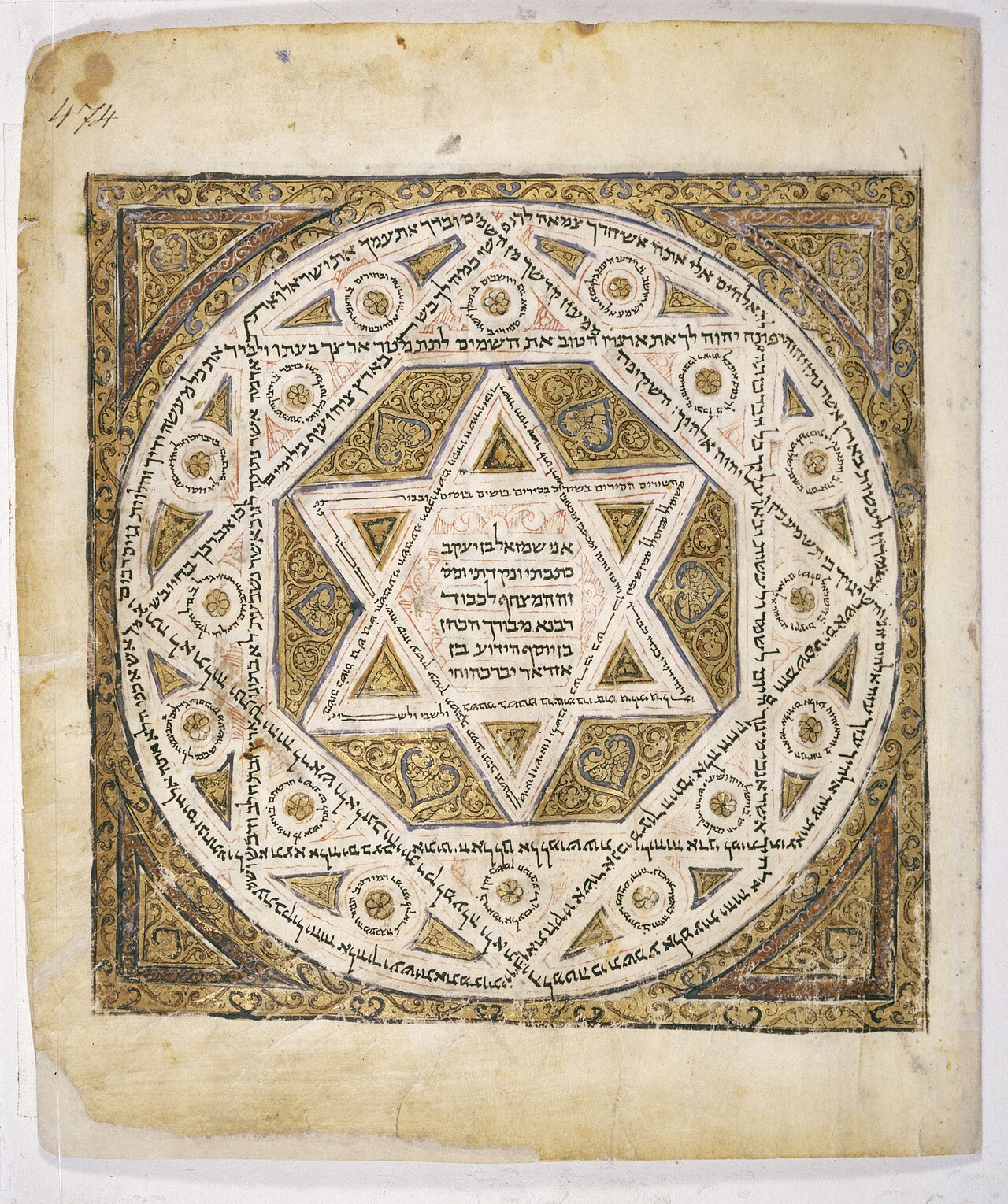
The Exodus.
Slaves walk out of the empire, through the sea, toward a covenant — the story the whole tradition keeps retelling.
The Exodus is Judaism's founding event and the reference point for a startling number of its laws: you shall not oppress the stranger, for you were strangers; the slave goes free in the seventh year; the Sabbath is for your servant too. The historicity is debated by archaeologists and the tradition's use of it does not depend on the verdict — it functions as the permanent template for what God does and what a liberated people therefore owes. Every liberation theology since, including ones outside Judaism, has borrowed it.
You shall not oppress a stranger, for you know the heart of a stranger — you were strangers in the land of Egypt.
Exodus 23:9The Exodus turned immediately into law: memory as obligation.
The same ground, other faiths
claims that share this one's ideasSign in to open the first thread. Everything here is attributed.