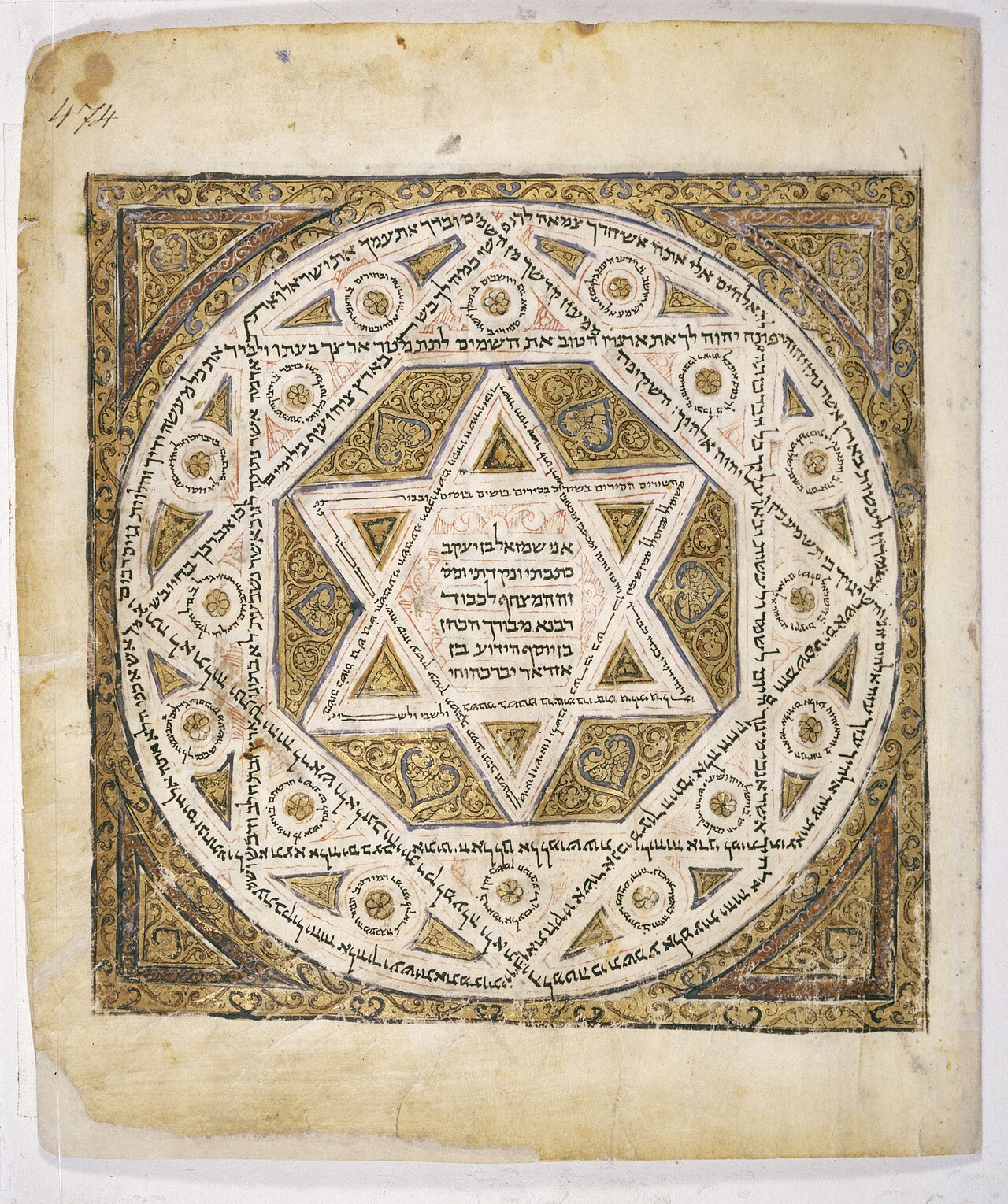
Why the Torah does not begin with the law.
Rashi opens his commentary by asking why a book of commandments starts with creation, and answers: so that when the nations call Israel thieves for taking the land, Israel can reply that the whole earth is God's and he gave it to whom he chose. It is the first sentence of the most-read Jewish commentary, and it is a political one.
The most-printed Jewish commentary in history opens with a political problem, not a theological one. Rashi asks why a book whose purpose is commandments begins with the creation of the world rather than the first commandment given to Israel, and answers by quoting Rabbi Yitzchak: so that when the nations of the world say to Israel you are robbers, for you seized the lands of seven peoples, Israel can answer that the whole earth belongs to God, who gave it to them and then took it from them and gave it to us. Generations of children have learned this as their first piece of Torah commentary. It is read today in two incompatible ways — as a claim of divine title to the land, cited constantly in religious Zionist writing, and as an admission that possession is contingent and revocable, since the same sentence says the land was taken away once already. Rashi wrote it in eleventh-century France, in a community that would be massacred by crusaders within his lifetime.
The same ground, other faiths
claims that share this one's ideasSign in to open the first thread. Everything here is attributed.