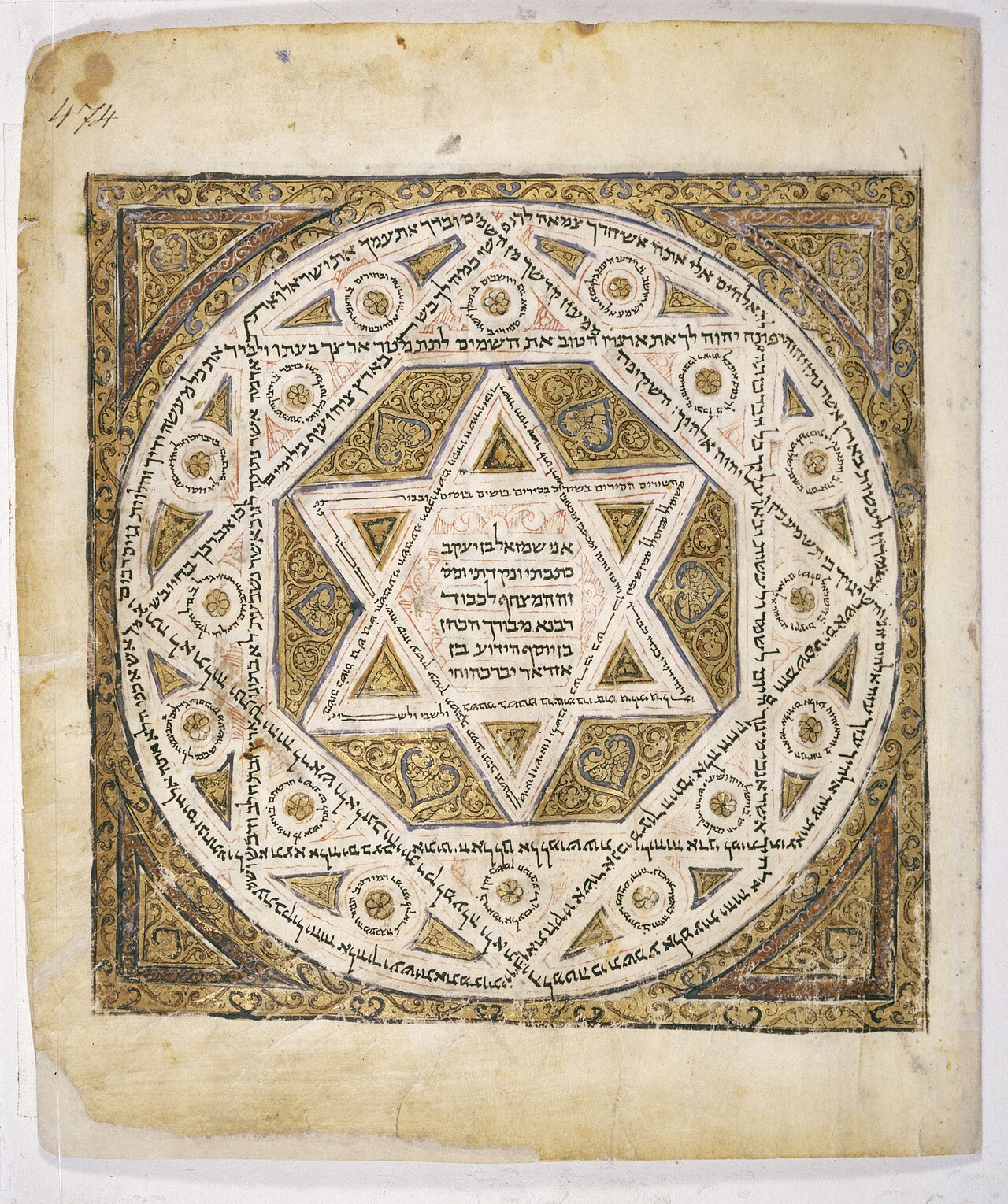
Leningrad Codex carpet page, 1010 CE · public domain

Judaism

Tradition·Founded c. 1000 BCE·est. ~15 million worldwide

Judaism → 8 branches

Branch
Precept of Judaism

Tzedakah — obligatory giving.

Not charity as sentiment but justice as duty: a fixed claim of the poor on every income.

What it asksGive — a tenth is the working standard, and it is owed, not donated
Who it bindsEvery Jew, including the poor, who are also obligated to give
Where it bitesMaimonides ranks eight levels: the highest is a loan or partnership that ends the need for charity entirely
Understanding it — context, not catechism: how this passage is held

Tzedakah shares a root with tzedek, justice — not with charity, mercy, or love. The word choice is the doctrine: giving is a debt owed, not a generosity extended, and the poor are entitled rather than grateful. Maimonides' eight levels rank anonymity highly (neither party knowing the other) and rank a job or a loan that ends the poverty above every form of gift, which makes the classical Jewish theory of welfare closer to development economics than to almsgiving.

From the sources — the passages this rests on; concise renderings, cited

Whoever saves a single life is considered to have saved the whole world.

Mishnah Sanhedrin 4:5

Cited constantly in Jewish ethics of giving and of rescue.

The same ground, other faiths

claims that share this one's ideas
The alms round. Buddhism · rite Go deeper →
Gochari — grazing for alms. Jainism · rite Go deeper →
Love of God and neighbor is the whole law. Christianity · core tenet Go deeper →
The two Eids. Islam · rite Go deeper →
Work honestly, and share what you earn. Sikhism · core tenet Go deeper →
The seventh month. Taoism · rite Go deeper →

The conversation

argument stays attached to the claim it is about All discussion →

Sign in to open the first thread. Everything here is attributed.

Built on Hatchable