Ritual without the heart is theatre.
Asa ki Var takes apart the sacred thread, the ritual bath, the pilgrimage and the fast in turn, and asks what any of them actually changed in the man performing them. The tradition then built rites of its own, and has spent five centuries arguing about which of them went the same way.
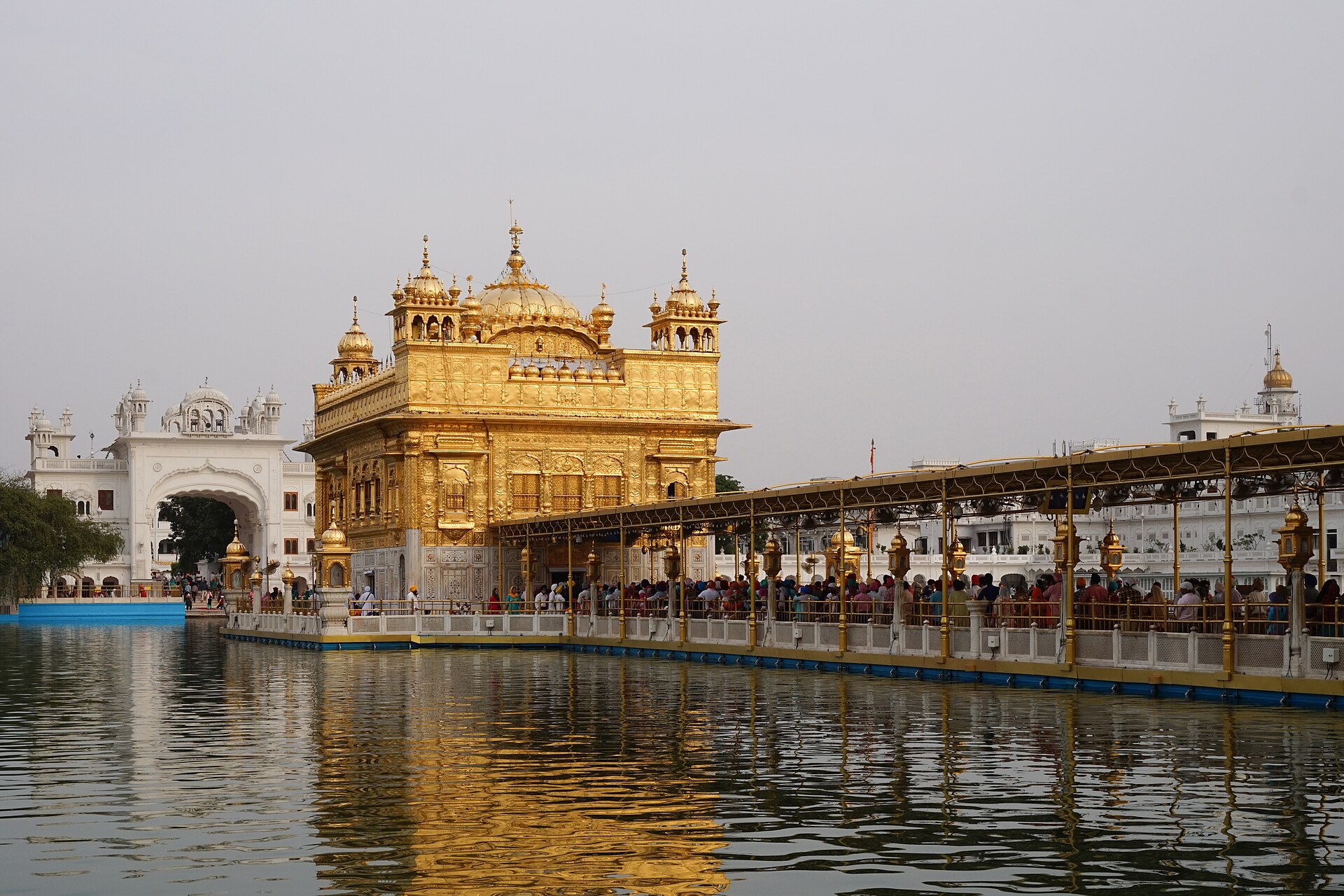
This is the most quoted and least obeyed part of the corpus. Asa ki Var, sung at dawn in every gurdwara, spends whole stanzas on the futility of ritual bathing, sacred threads and dietary purity, and Nanak elsewhere calls a pilgrimage worthless if the mind is unchanged. Yet Sikhs bathe in the sarovar at Amritsar, complete akhand paths for exam results and house purchases, and tie red threads on their wrists in numbers that reformers find embarrassing. The reformist wing — Singh Sabha in its day, groups like the Akhand Kirtani Jatha and various Missionary colleges now — argues that the Panth has re-imported everything Nanak threw out. The counter-argument from ordinary practitioners is that a rite done with attention is not the rite Nanak attacked, and the honest description is that both are going on in the same building.
The same ground, other faiths
claims that share this one's ideasSign in to open the first thread. Everything here is attributed.