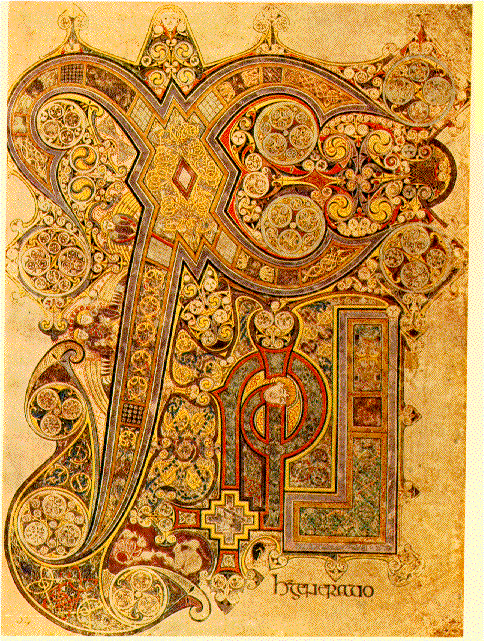
Book of Kells, Chi Rho folio, c. 800 · public domain

Christianity

Tradition·Founded 30 CE·est. ~2.4 billion worldwide

Judaism → Christianity → 11 branches

Branch
Rite of Christianity

The Eucharist.

Bread and wine taken as Christ commanded at his last meal — the branches dispute what it is, none dispute doing it.

⏱ weekly — and at every gathering◌ the congregation
What happensBread and wine taken, blessed, broken, given — the fourfold shape since the first century
What it needsBread, wine, a table; an ordained celebrant in the older streams
What it aims atCommunion — Christ's presence, understood differently by every branch
Understanding it — context, not catechism: how this rite is held

The Eucharist is Christianity's most central act and its most divisive one. Catholics hold that the bread and wine become Christ's body and blood in substance (transubstantiation); Orthodox affirm the change without the scholastic mechanism; Lutherans hold Christ is truly present with the elements; Reformed traditions read a spiritual presence received by faith; and some evangelical and Anabaptist churches treat it as memorial. Who may receive is a second, sharper question, and it is why Christians who agree on much else still cannot share a table.

The same ground, other faiths

rites that share this one's ideas
The Mass. Catholicism Go deeper →
The liturgy is heaven on earth. Eastern Orthodoxy · core tenet Go deeper →
Word and sacrament. Lutheranism Go deeper →
The sacrament meeting. The Church of Jesus Christ of Latter-day Saints Go deeper →
The Holy Qurbana. The Church of the East Go deeper →
Immersion. The Baptists Go deeper →

The conversation

argument stays attached to the rite it is about All discussion →

Sign in to open the first thread. Everything here is attributed.

Built on Hatchable