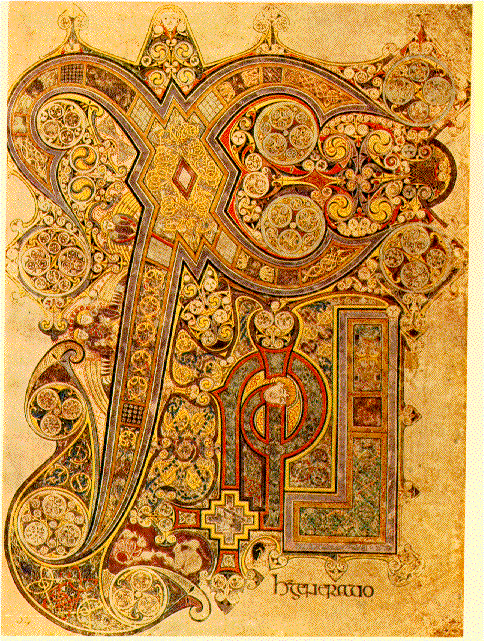
The kingdom has arrived and has not arrived.
Jesus announced it as present and then taught his followers to pray for its coming. Every Christian ethic since has lived in that gap: the world is already claimed, and visibly is not yet what it was claimed for.
Already and not yet is the phrase that came out of twentieth-century biblical scholarship to describe something the New Testament does constantly and awkwardly. Jesus says the kingdom of God has come upon you, and in the same gospels teaches a prayer asking for it to come. Paul writes as though believers are already raised and also as though everything is still groaning. Albert Schweitzer argued in 1906 that Jesus expected an imminent end and was wrong; C. H. Dodd argued the kingdom had fully arrived; the mainstream settled between them. The pastoral consequence is the whole shape of Christian ethics: the church acts as though the new order is real while living in a world that plainly is not running on it, which produces both its social reform movements and its recurring temptation to force the issue. Every millenarian movement, every Christian revolution and every quietist withdrawal is a different answer to how much of the kingdom is available now.
The same ground, other faiths
claims that share this one's ideasSign in to open the first thread. Everything here is attributed.