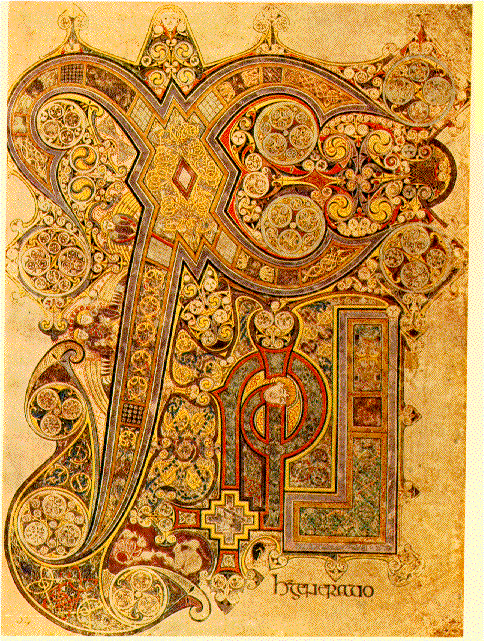
The Psalms.
The one book the whole church prays rather than reads. Monks recite all 150 on a cycle; Copts pray them by the clock; Ethiopians chant them from the Dawit. They include praise, and they also include a psalm that ends by blessing whoever dashes the enemy's babies against rocks, which the lectionaries quietly skip.
The Psalter is the only part of scripture that Christians pray rather than read about, and it has structured the Christian day for sixteen centuries. Benedict's Rule distributes all 150 across a week; the Byzantine kathisma cycle covers them weekly and twice weekly in Lent; the Coptic Agpeya assigns fixed psalms to seven hours of the day; the Ethiopian Dawit is chanted from memory. Cranmer's Book of Common Prayer put a monthly cycle in the hands of English laypeople in 1549, which is why the Coverdale psalter is the English most people quote without knowing it. The awkward part is the imprecatory psalms — the ones asking God to break teeth, and Psalm 137, which ends by pronouncing happy the one who smashes Babylonian infants against a rock. Most modern lectionaries omit those verses, and the omission is itself a decision that a fair number of Christians, particularly those who pray from places of real violence, argue against.
How long, O Lord? Will you forget me for ever?
Psalm 13:1The church's daily prayer book opens the complaint department early and never closes it.
The same ground, other faiths
claims that share this one's ideasSign in to open the first thread. Everything here is attributed.