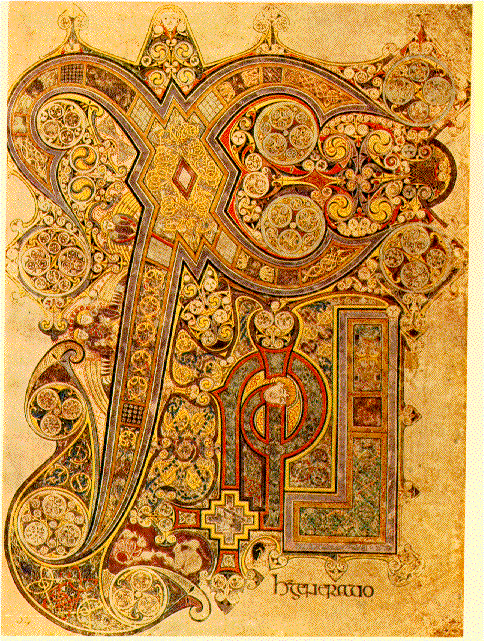
The Divine Liturgy of St John Chrysostom.
The service most of the world's Orthodox Christians attend on most Sundays. It is sung end to end, takes ninety minutes or more, is largely unchanged since the Middle Ages, and it is the actual text through which Orthodox theology is transmitted — far more than any book of doctrine.
Orthodox Christianity teaches primarily through worship rather than through catechism, and the Liturgy of St John Chrysostom is the medium. It is not read; it is sung continuously, by clergy and by a choir or the whole congregation, for ninety minutes to three hours depending on the parish. Almost nothing in it is optional or seasonal, which means an Orthodox Christian hears the entire theology of the church every single week, in the same words, for a lifetime. The attribution to Chrysostom, who died in 407, is traditional rather than exact — the anaphora may go back to him, the rest accumulated. The longer Liturgy of St Basil replaces it ten times a year, and the Liturgy of the Presanctified Gifts serves weekdays in Lent. The Coptic, Ethiopian, Armenian and Syriac churches have their own, older, family of anaphoras; the Ethiopian church has fourteen and rotates them. Anyone who wants to know what Orthodoxy believes is generally advised to attend rather than to read.
The same ground, other faiths
claims that share this one's ideasSign in to open the first thread. Everything here is attributed.