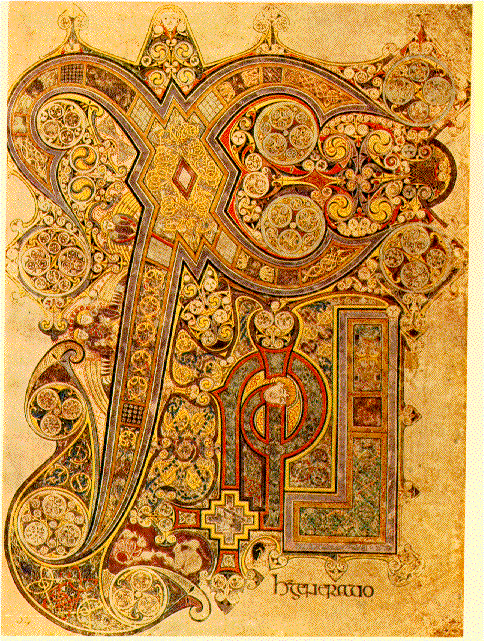
Chrismation, and confirmation.
The same act, split by history. The East anoints the baby immediately after baptism and gives it communion; the West waits until the child can answer for itself, which produced a rite of adolescence the East does not have.
The split between chrismation and confirmation is one of the clearest cases of two churches keeping the same rite and disagreeing about the person. The East anoints the infant immediately after baptism, on forehead, eyes, ears, nostrils, mouth, hands and feet, and gives it communion at the same liturgy — full membership at a few weeks old. The West separated the anointing from the baptism because the bishop could not be everywhere, then rationalised the delay into a rite of personal decision at twelve or fourteen. The chrism itself is a serious object: in the Coptic and Greek churches it is consecrated by the patriarch, at intervals of years, and distributed to every parish. Ethiopian practice adds its own timing, baptising boys at forty days and girls at eighty, following the purification periods in Leviticus.
The same ground, other faiths
rites that share this one's ideasSign in to open the first thread. Everything here is attributed.