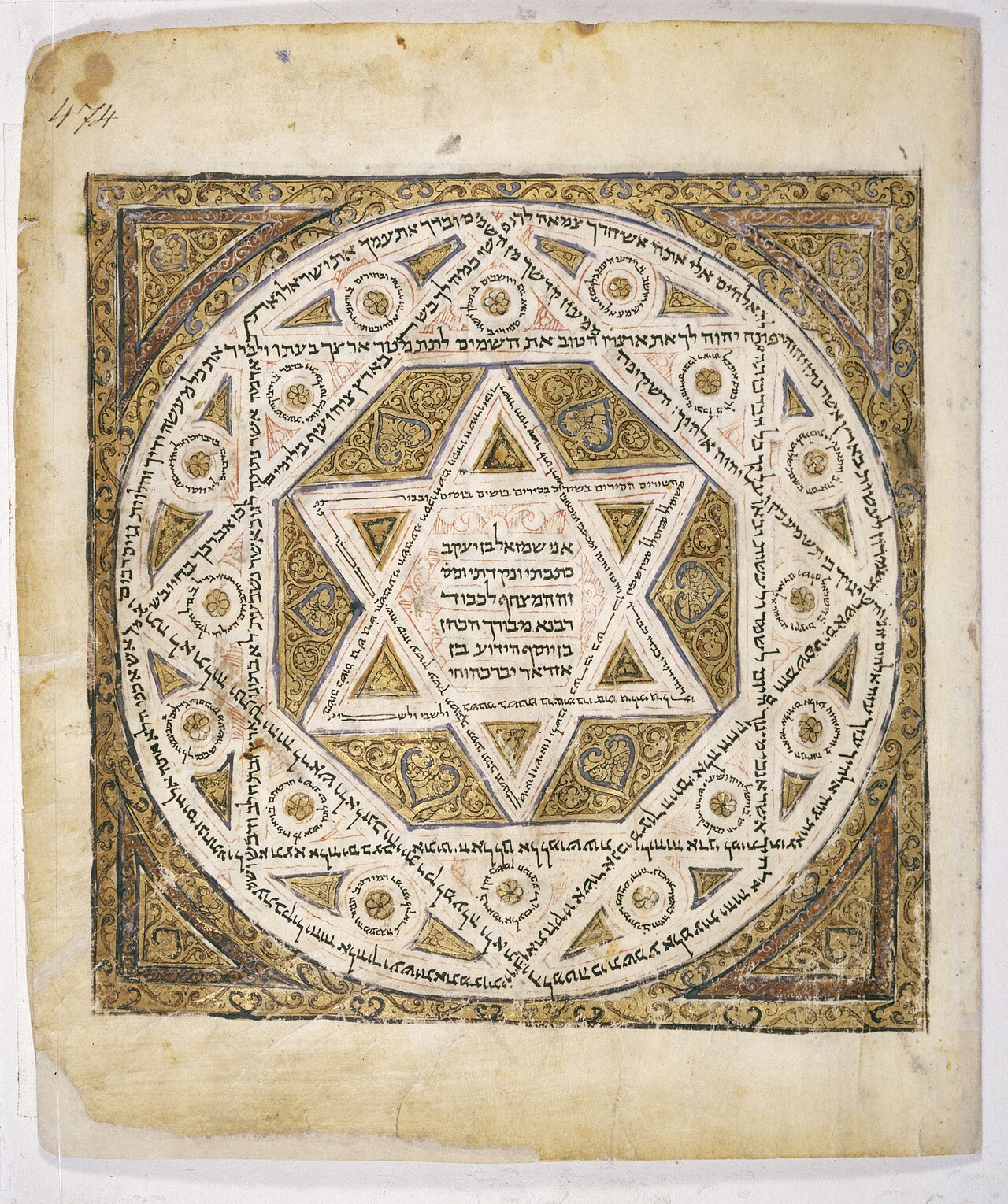
Leningrad Codex carpet page, 1010 CE · public domain

Judaism

Tradition·Founded c. 1000 BCE·est. ~15 million worldwide

Judaism → 8 branches

Branch
The Interior of Judaism

Shabbat — the palace in time.

Judaism's central mystical experience is scheduled: one day in seven when creating stops, and the world is received instead of managed.

Reached throughBy stopping — candles lit, work set down, from Friday sunset to Saturday stars
What it is likeTime itself changes texture; the week's urgency loses its grip
What it signifiesA palace in time, as Heschel called it: eternity rehearsed weekly
Understanding it — context, not catechism: how this passage is held

Abraham Joshua Heschel's phrase — a palace in time — names what the tradition builds: Judaism's central sanctified space is a day rather than a place. The experience is described less as ecstasy than as a change in the texture of time: no creating, no fixing, no acquiring, and after some hours the reflex to be productive quiets. Observant Jews describe the difficulty of the first hours and the reluctance to end it as the two reliable features. It is the one mystical practice in the tradition that is scheduled, communal, and available to everyone.

The same ground, other faiths

claims that share this one's ideas
Setsubun. Shinto · rite Go deeper →
Holi — the festival of color. Hinduism · rite Go deeper →
Paritta — the protective chant. Buddhism · rite Go deeper →
The kitchen. Jainism · rite Go deeper →
Something in us is bent at the root. Christianity · core tenet Go deeper →
The two Eids. Islam · rite Go deeper →

The conversation

argument stays attached to the claim it is about All discussion →

Sign in to open the first thread. Everything here is attributed.

Built on Hatchable