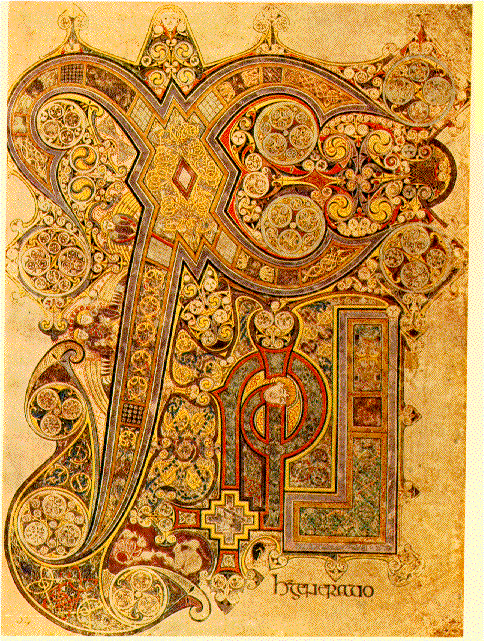
Christmas.
Fixed in the West to 25 December by the fourth century; kept on 7 January by churches still on the Julian calendar, which is why Ethiopian Gena and Russian Rozhdestvo fall after the Western new year. In Lalibela the night is spent standing in rock-cut churches carved in the twelfth century.
The date is a settlement, not a memory: no gospel gives one, and 25 December appears in Roman sources in the fourth century, close enough to the solstice and to Sol Invictus that the borrowing has been argued about ever since. The churches that never adopted the Gregorian calendar keep the same feast thirteen days later, which is why Ethiopian Gena, Coptic Christmas and Russian Rozhdestvo fall on 7 January. Ethiopian Gena is preceded by the forty-three-day Fast of the Prophets, Tsome Nebiyat, and celebrated most famously at Lalibela, where pilgrims spend the night standing in eleven churches cut downward out of solid rock in the twelfth century. The commercial Christmas is a nineteenth-century Anglo-American construction, and much of the world's Christian population regards it as somebody else's holiday attached to their feast.
The same ground, other faiths
rites that share this one's ideasSign in to open the first thread. Everything here is attributed.