The Puranas.
If the Vedas are the constitution, the Puranas are the literature — and the literature is what people actually know. Each one is partisan: the Shiva Purana and the Vishnu Purana argue at length about who is supreme, using the same stories.
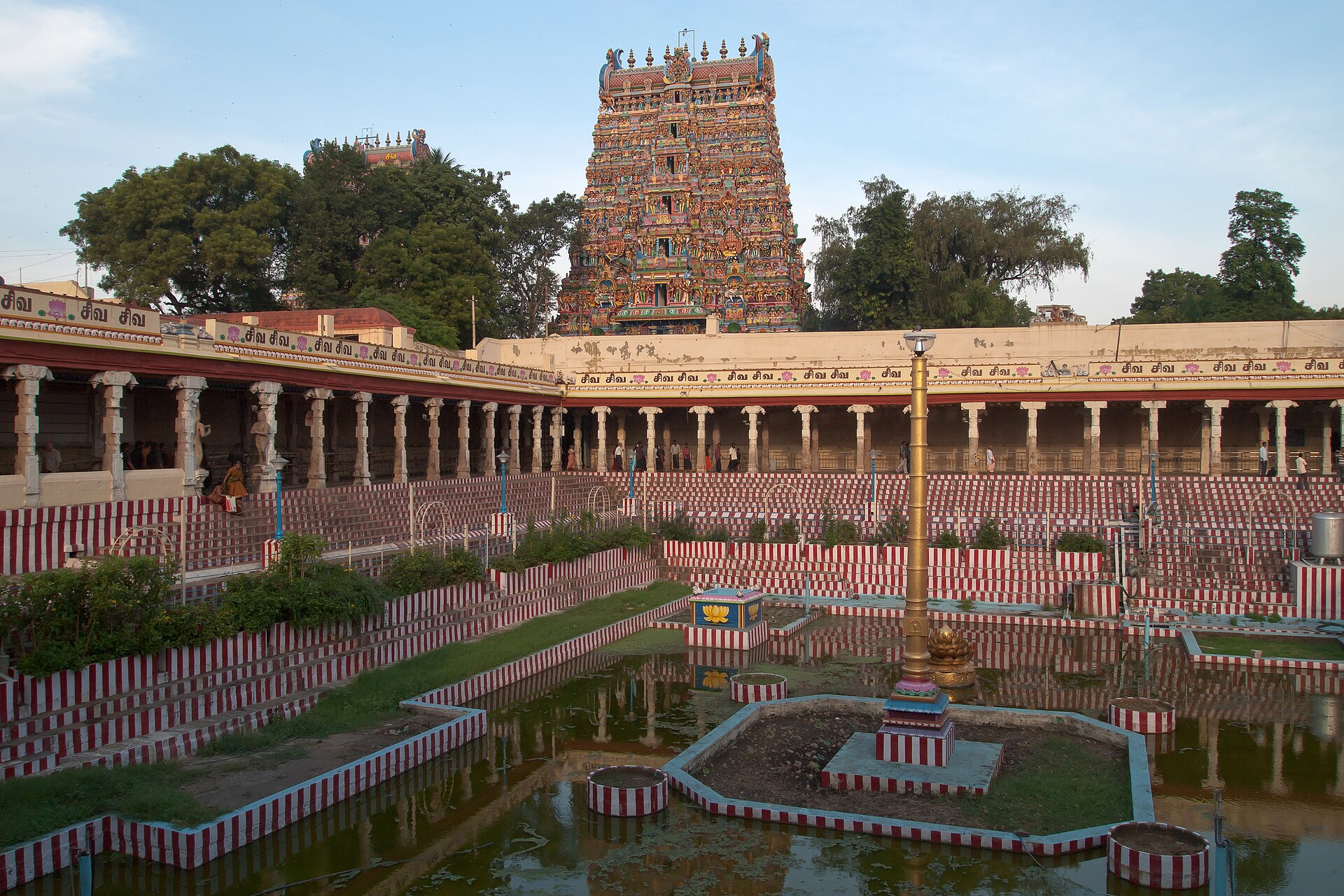
The Puranas are where Hinduism as most people practise it is actually written down. They are encyclopaedic, repetitive, internally contradictory, and unembarrassed about it: cosmology, dynastic genealogies, temple foundation legends, pilgrimage guides, vows and their rewards, and the myths that supply nearly every image on a temple wall. They are also openly sectarian — the eighteen are traditionally sorted by whether they favour Vishnu, Shiva or Brahma, and a story that glorifies one deity in one Purana will be retold with the roles swapped in another. Because they are smriti rather than shruti, they could be added to, and were, for a thousand years. Their status is worth stating plainly: a village that has never heard a Vedic verse recited will know the Puranic stories in detail, in the local language, from performance rather than reading, which makes them functionally the scripture of Hinduism even though no theologian would rank them first.
The same ground, other faiths
claims that share this one's ideasSign in to open the first thread. Everything here is attributed.