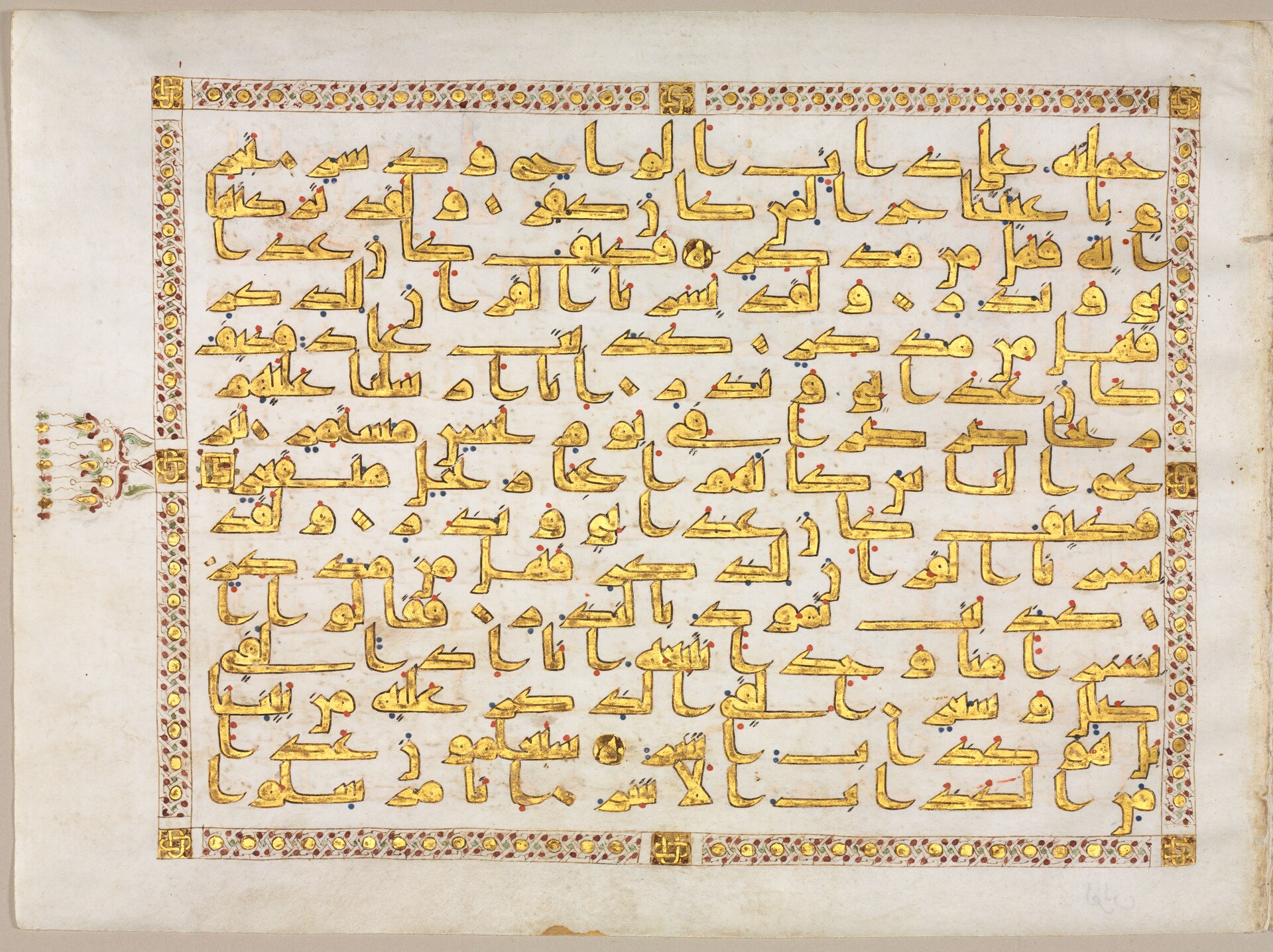
The law is for something.
Jurists from al-Ghazali to al-Shatibi held that sharia exists to protect five things — religion, life, intellect, lineage, property — and that a ruling which serves none of them has lost its point. The maqasid argument is the main lever of modern reform, and literalists distrust it for exactly that reason.
Maqasid al-sharia is the argument that the law has reasons and that the reasons can be reasoned about. Al-Shatibi, a fourteenth-century Andalusian, gave it its most systematic form; twentieth-century reformers from Muhammad Abduh to Rashid Rida to Yusuf al-Qaradawi and Jasser Auda used it to argue for banking reform, women's legal capacity, and the reopening of ijtihad. Its critics are not straw men: if a jurist can set aside a clear text because it does not serve a purpose he has identified, the text has stopped governing. The scope is marked as majority rather than shared because a substantial literalist current — and much of the Hanbali and Zahiri inheritance — treats maqasid as a supplement rather than a lever. This is the reform argument in Islam, more than any single question about women or interest.
The same ground, other faiths
claims that share this one's ideasSign in to open the first thread. Everything here is attributed.