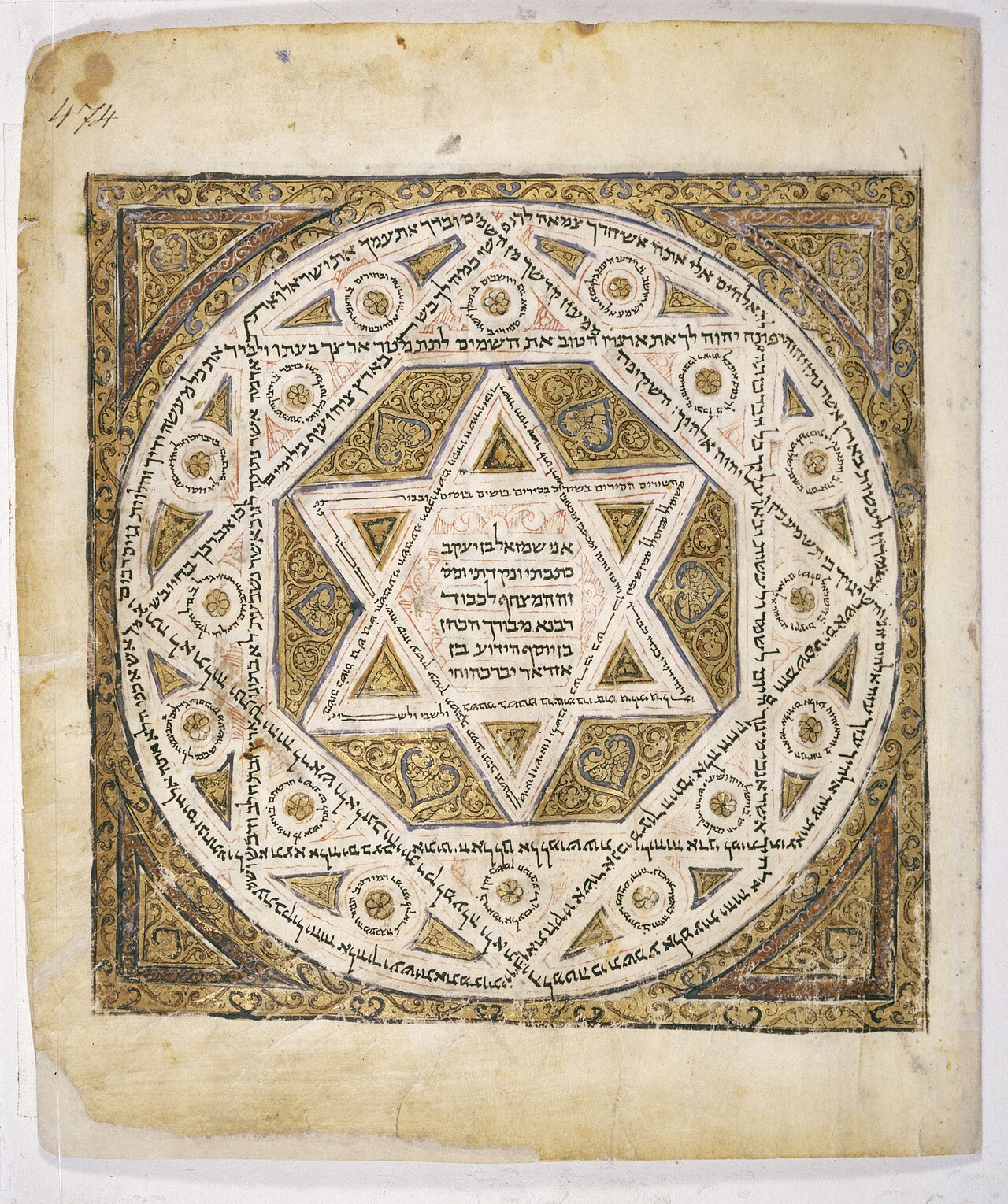
Leningrad Codex carpet page, 1010 CE · public domain

Judaism

Tradition·Founded c. 1000 BCE·est. ~15 million worldwide

Judaism → 8 branches

Branch
Rite of Judaism

Bar and bat mitzvah.

At thirteen the child reads from the scroll in public for the first time — not a graduation but a change of legal status: now obligated, now counted.

⏱ at thirteen◌ the child — now counted; the congregation, witnessing
What happensCalled up to the Torah, chants the haftarah in the cantillation, usually gives a talk on the portion; the party afterwards is not the ritual and everyone knows it
What it needsA year or so of preparation, a portion, and a community in the room
What it aims atLegal adulthood — from this day the commandments belong to the child rather than to the parent
Understanding it — context, not catechism: how this rite is held

Nothing happens at a bar or bat mitzvah — that is the point most often missed. A Jew becomes obligated at thirteen (twelve for girls in traditional practice) automatically, by age, whether or not any ceremony occurs. The ceremony marks the change by giving the new adult the first public exercise of it: being called to the Torah, counted in a minyan, and held responsible for their own observance. Bat mitzvah for girls is a twentieth-century development, first in 1922, and its adoption traces the denominational map precisely.

The same ground, other faiths

rites that share this one's ideas
Abuse, and the reckoning. Christianity · community Go deeper →
The law is for something. Islam · core tenet Go deeper →
The Sikh Rehat Maryada. Sikhism · scripture Open the book →
The state, and the association. Taoism · community Go deeper →
The state, and the shop. Confucianism · community Go deeper →
Backbiting. The Bahá'í Faith · precept Go deeper →

The conversation

argument stays attached to the rite it is about All discussion →

Sign in to open the first thread. Everything here is attributed.

Built on Hatchable