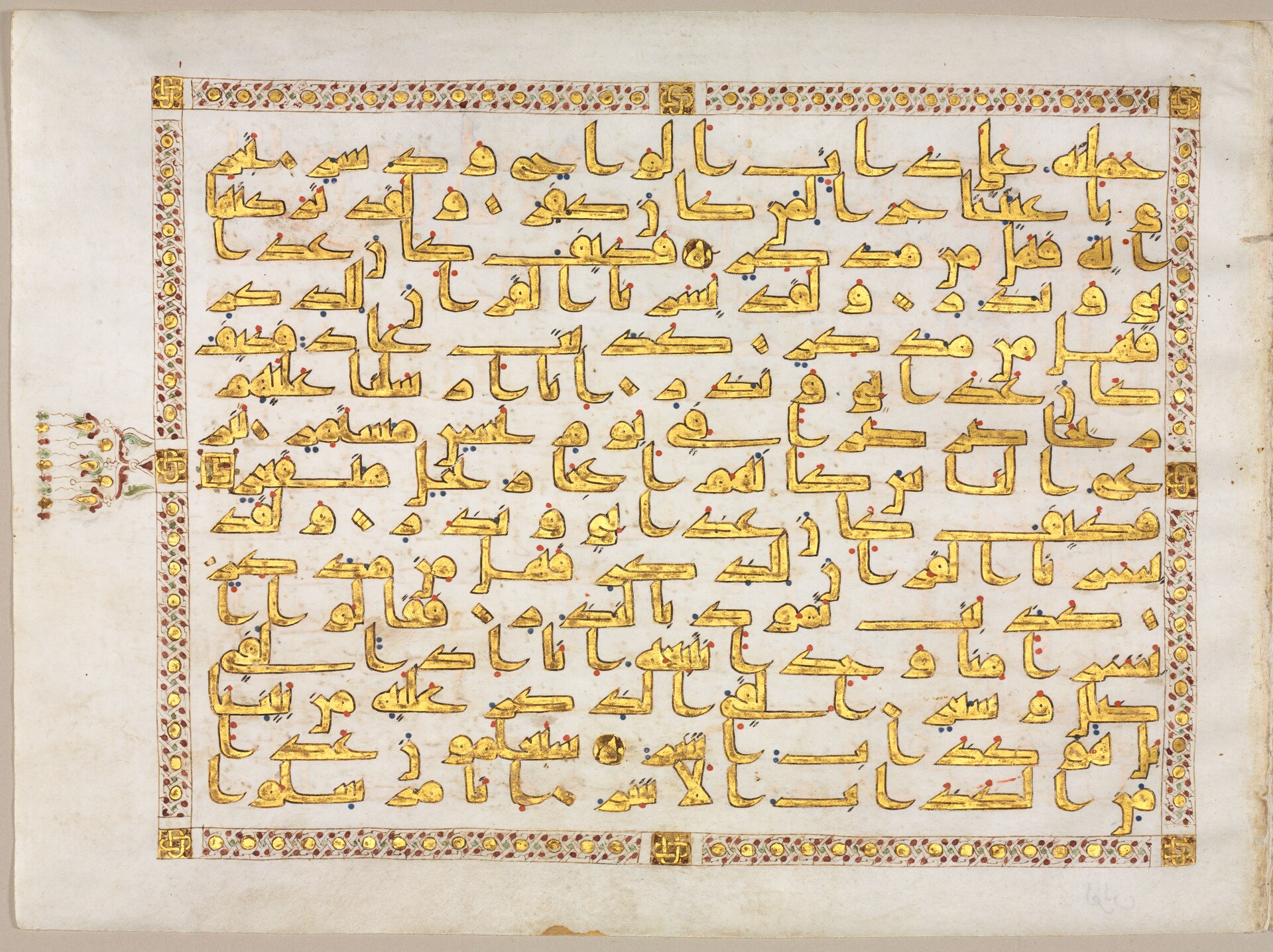
The four books.
Al-Kafi, Man la yahduruhu al-Faqih, Tahdhib al-Ahkam and Al-Istibsar — the Twelver Shia hadith corpus, compiled in the ninth to eleventh centuries. Much of the content overlaps the Sunni collections; almost none of the chains do, because the two traditions disagree about which of the first generation to trust.
Twelver Shia hadith is collected in four books: al-Kulayni's al-Kafi, Ibn Babawayh's Man la yahduruhu al-Faqih, and two works of al-Tusi, Tahdhib al-Ahkam and al-Istibsar, compiled between the ninth and eleventh centuries. They function for Shia law and practice the way the six Sunni collections do for Sunni. The critical difference is not usually the content — a great deal of the material overlaps — but the isnad, the chain of transmitters. Sunni collections rely heavily on Companions whom Shia tradition regards as having wronged the family of the Prophet; Shia collections transmit through the Imams. Two traditions can therefore hold nearly the same ruling and refuse each other's evidence for it. Shia hadith criticism developed its own grading system, and the Akhbari–Usuli dispute of the seventeenth and eighteenth centuries — over whether the jurist may reason beyond the reports — was fought precisely over how much weight these four books carry. The Usulis won, which is why the marja system exists at all.
The same ground, other faiths
claims that share this one's ideasSign in to open the first thread. Everything here is attributed.