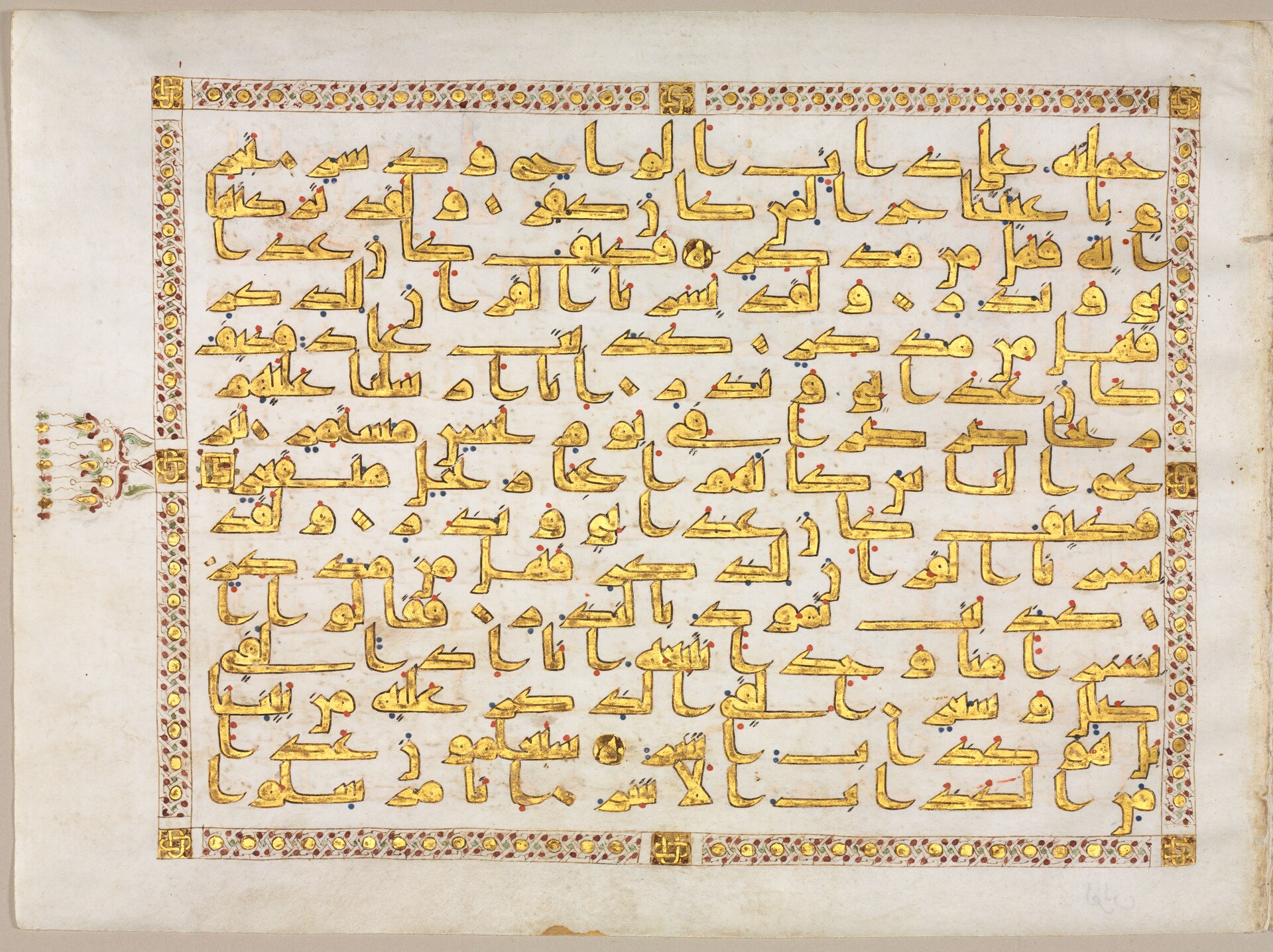
The sira.
Ibn Ishaq wrote the life of the Prophet in the eighth century and it survives mainly through Ibn Hisham's edited version, which states plainly that material was left out as objectionable. Nearly every story Muslims tell about the Prophet comes through this book, and historians have been arguing about the editing for twelve hundred years.
Almost everything Muslims narrate about the Prophet's life comes through the sira of Ibn Ishaq, written in eighth-century Medina and Baghdad. The original does not survive intact; what survives is Ibn Hisham's recension, and Ibn Hisham says openly in his preface that he omitted material — poems he judged spurious, matters that would distress people, and things he found objectionable. Later historians including al-Tabari quote passages from the original that Ibn Hisham dropped, so some of the excisions can be reconstructed. This makes the sira a genuinely interesting document: it is the tradition's primary biography and it comes with its editor's conflict of interest written on the first page. Modern historical-critical scholarship treats it cautiously as a source for the seventh century while acknowledging it is the best one available; Muslim scholarship weighs individual reports by chain quality as it does with hadith. Devotionally, none of this matters much — the sira is read for the character of the man, and it is the source of the stories children learn.
The same ground, other faiths
claims that share this one's ideasSign in to open the first thread. Everything here is attributed.