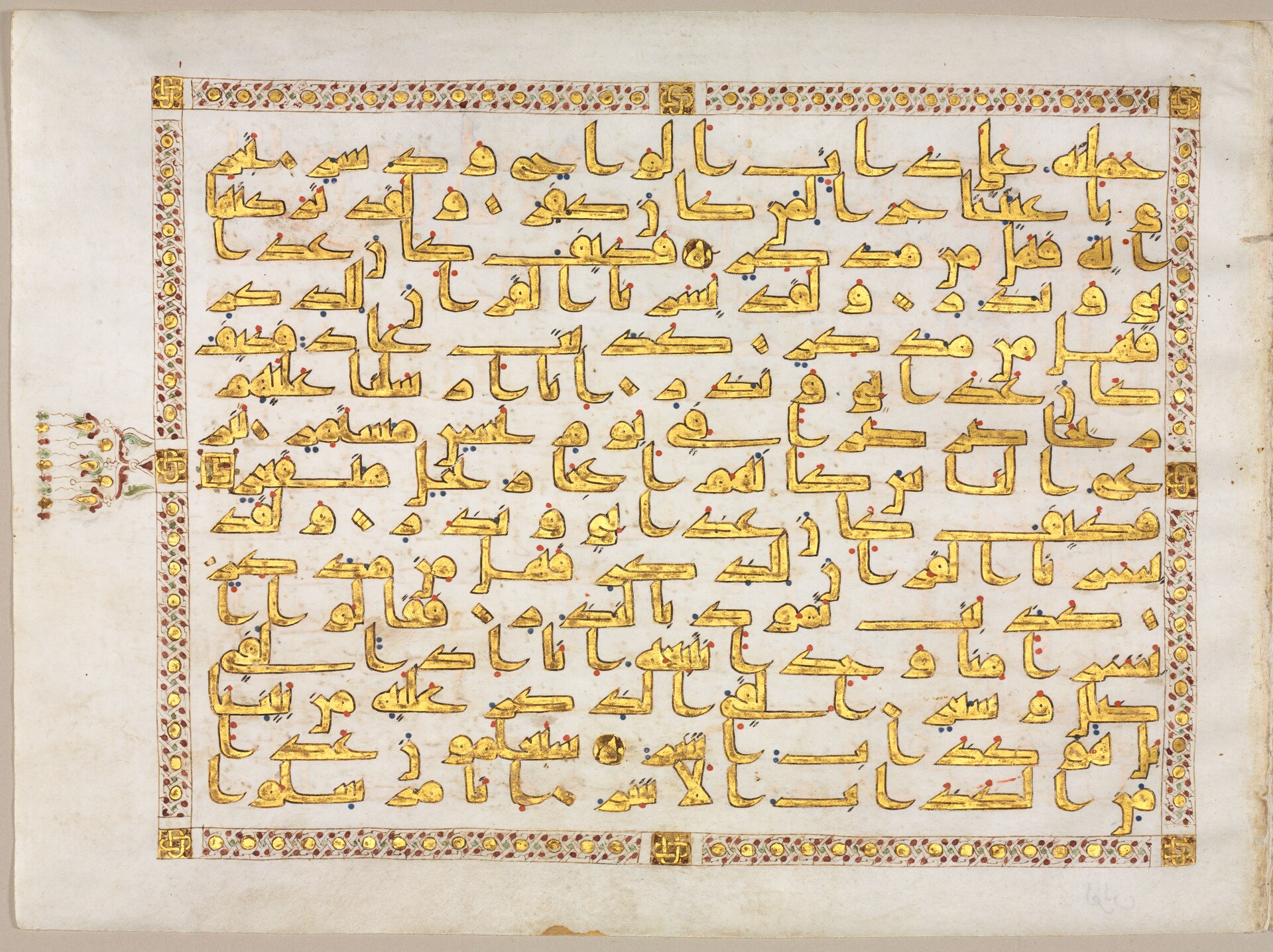
Women in the mosque.
A hadith forbids preventing women from going, and a great many mosques in South Asia and the Gulf have no space for them at all. The argument is running now: Morocco has trained and posted women preachers, the murshidat, since 2006; campaigns in Britain, India and Indonesia are pushing on access, and the counter-argument is almost always about the building rather than the text.
A hadith in the standard collections instructs men not to prevent women from going to the mosques of God, and a great many mosques in South Asia, Bangladesh and parts of the Gulf have no women's section at all. Where there is provision it is often a basement, a curtained annexe or an overflow room with a speaker. The Prophet's mosque in Medina had women praying in it, which is the argument reformers lead with, and the counter-argument is usually framed around space, safety and custom rather than around the texts. The push is real and current: the Inclusive Mosque Initiative and the Open My Mosque campaign in Britain, the Bharatiya Muslim Mahila Andolan's litigation in India, and comparable efforts in Indonesia and North America. Morocco has trained and deployed women religious guides, the murshidat, since 2006, giving them state salaries and mosque roles short of leading the Friday prayer; Turkey and Indonesia have women preachers and Indonesian women scholars issued a landmark fatwa on child marriage in 2017. Women leading mixed congregational prayer remains rejected by the overwhelming majority of scholars across all schools, and the handful of instances have been extremely contentious.
The same ground, other faiths
claims that share this one's ideasSign in to open the first thread. Everything here is attributed.