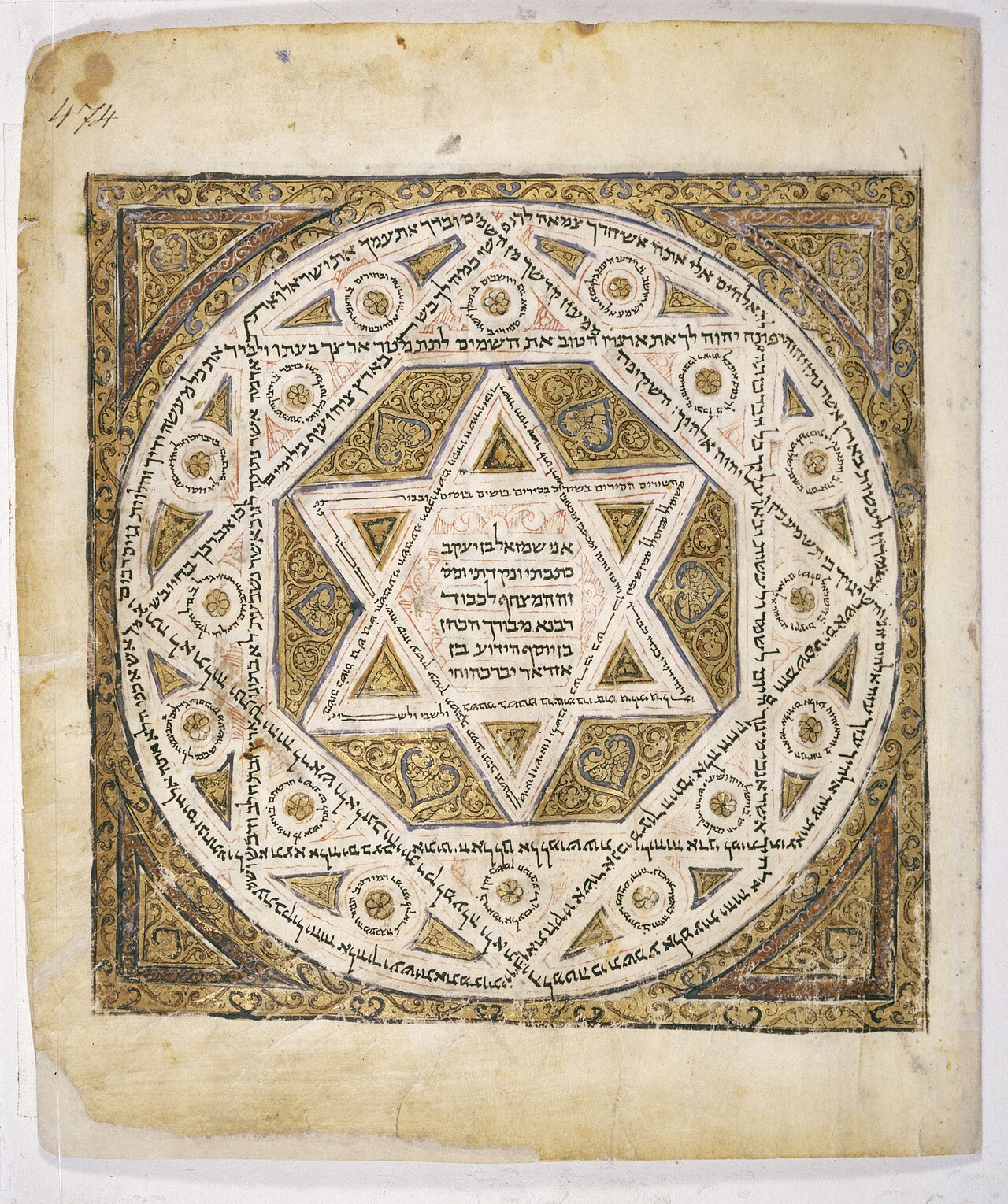
Death — the plain box and the year that follows.
Kaddish does not mention death. It is a doxology in Aramaic, and it needs ten people to answer it, which is the tradition's way of refusing to let grief be private. Yahrzeit is marked each year on the Hebrew date with a candle that burns twenty-four hours.
Jewish death practice is fast, plain and physically handled by the community. From death until burial the body is not left alone — a shomer sits with it and recites psalms — and burial happens within a day where possible. The chevra kadisha, the burial society, performs tahara: the body is washed, then poured over with a continuous flow of water, dressed in white linen shrouds with no pockets and no knots, and placed in a plain wooden coffin, or in Israel in shrouds alone. There is no embalming, no viewing, no cosmetics. Rich and poor are buried identically, and the sources say this was legislated because families were ruining themselves competing. Mourners tear a garment at the funeral and fill the grave themselves, passing the shovel rather than handing it on. Then the structure: seven days of shiva at home on low chairs with mirrors covered and meals brought by others, thirty days of shloshim with no haircut and no celebrations, and for a parent eleven months of daily kaddish. Kaddish is in Aramaic, praises God, and does not mention death at all; it requires a minyan, which forces a mourner out of the house and into a room of people twice a day for a year. Yahrzeit each year is a candle for twenty-four hours and kaddish in synagogue, and yizkor is said four times a year. Serving on a chevra kadisha is regarded as the highest form of kindness, since the recipient can never repay it.
May his great name be magnified and made holy in the world he created according to his will.
The opening of the mourner's kaddish (rendered)Not one word of it mentions death, or the dead, or grief.
The same ground, other faiths
rites that share this one's ideasSign in to open the first thread. Everything here is attributed.