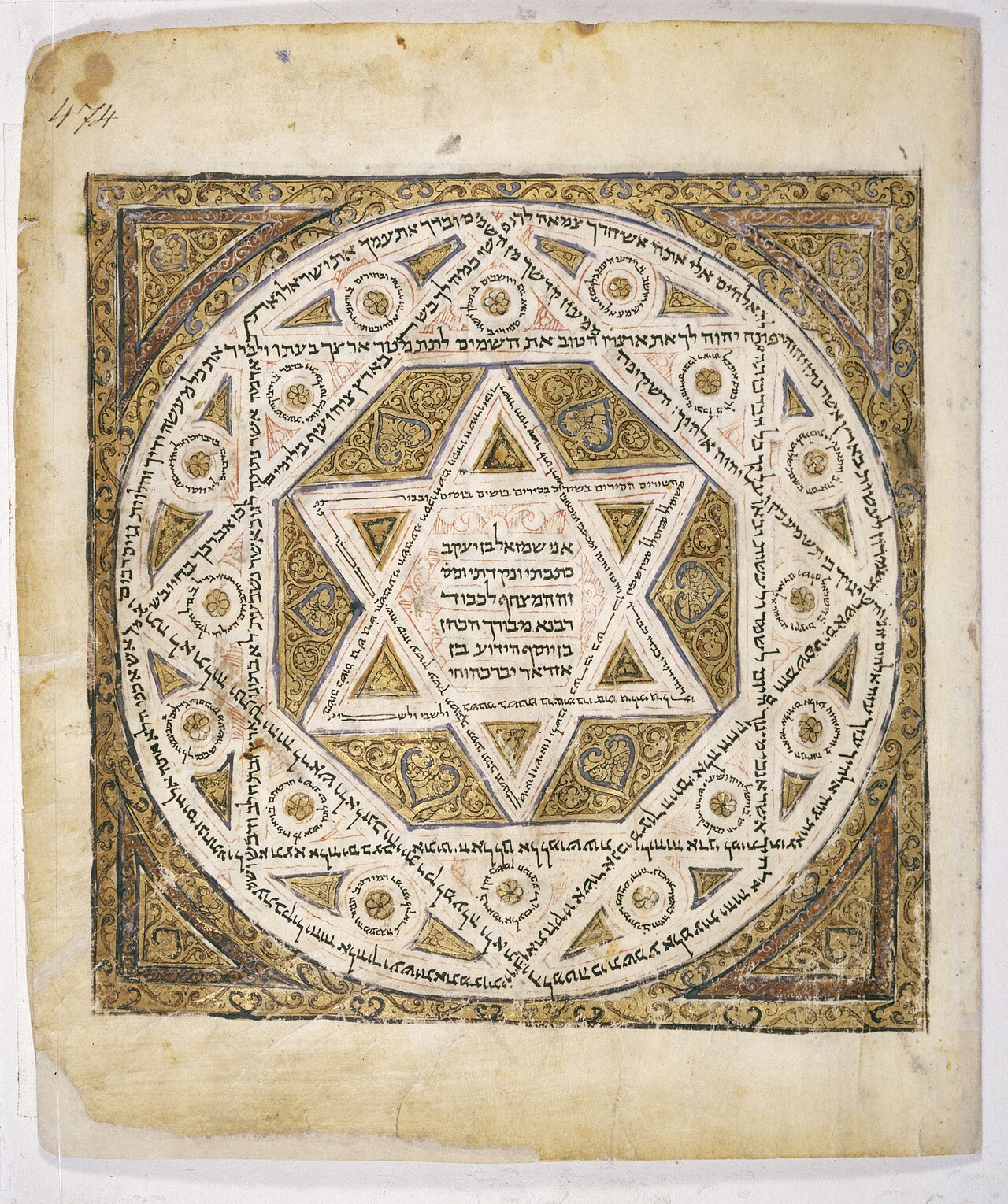
Leningrad Codex carpet page, 1010 CE · public domain

Judaism

Tradition·Founded c. 1000 BCE·est. ~15 million worldwide

Judaism → 8 branches

Branch
Community of Judaism

A people before a creed.

One is born Jewish, or joins by conversion — study, a court, immersion. Belonging comes first; belief follows it.

How you joinBorn to a Jewish mother, or converted. No profession of faith is asked at any point, of anybody
Who leadsNobody in particular. There is no pope, no synod, and no body whose ruling binds all Jews
The unitThe people. A Jew who believes nothing is still a Jew, and the tradition has never found this awkward
Understanding it — context, not catechism: how this passage is held

Judaism is a peoplehood before it is a creed, and the practical consequences are large: a Jew who believes nothing is still a Jew, conversion is a change of nation as much as of faith (Ruth's formula is "your people shall be my people" before "your God my God"), and the tradition has no equivalent of heresy trials for laypeople. It also means the categories other religions use fit badly — Jewish identity behaves partly like ethnicity, partly like citizenship, and partly like religion, and arguments about which dominate are internal to the community.

The same ground, other faiths

claims that share this one's ideas
The church — one body, many members. Christianity Go deeper →
The Hijra. Islam · story Read it in full →
Vaisakhi. Sikhism · rite Go deeper →
The observant community. Orthodox Judaism Go deeper →
The open temple. Reform Judaism Go deeper →
Who counts. Zoroastrianism Go deeper →

The conversation

argument stays attached to the claim it is about All discussion →

Sign in to open the first thread. Everything here is attributed.

Built on Hatchable