Woman is not lesser, and the scripture says so in one line.
Why call her bad, from whom kings are born — Nanak, in Asa ki Var. Sikh reformers have been quoting that line back at their own institutions for two hundred years, with uneven results.
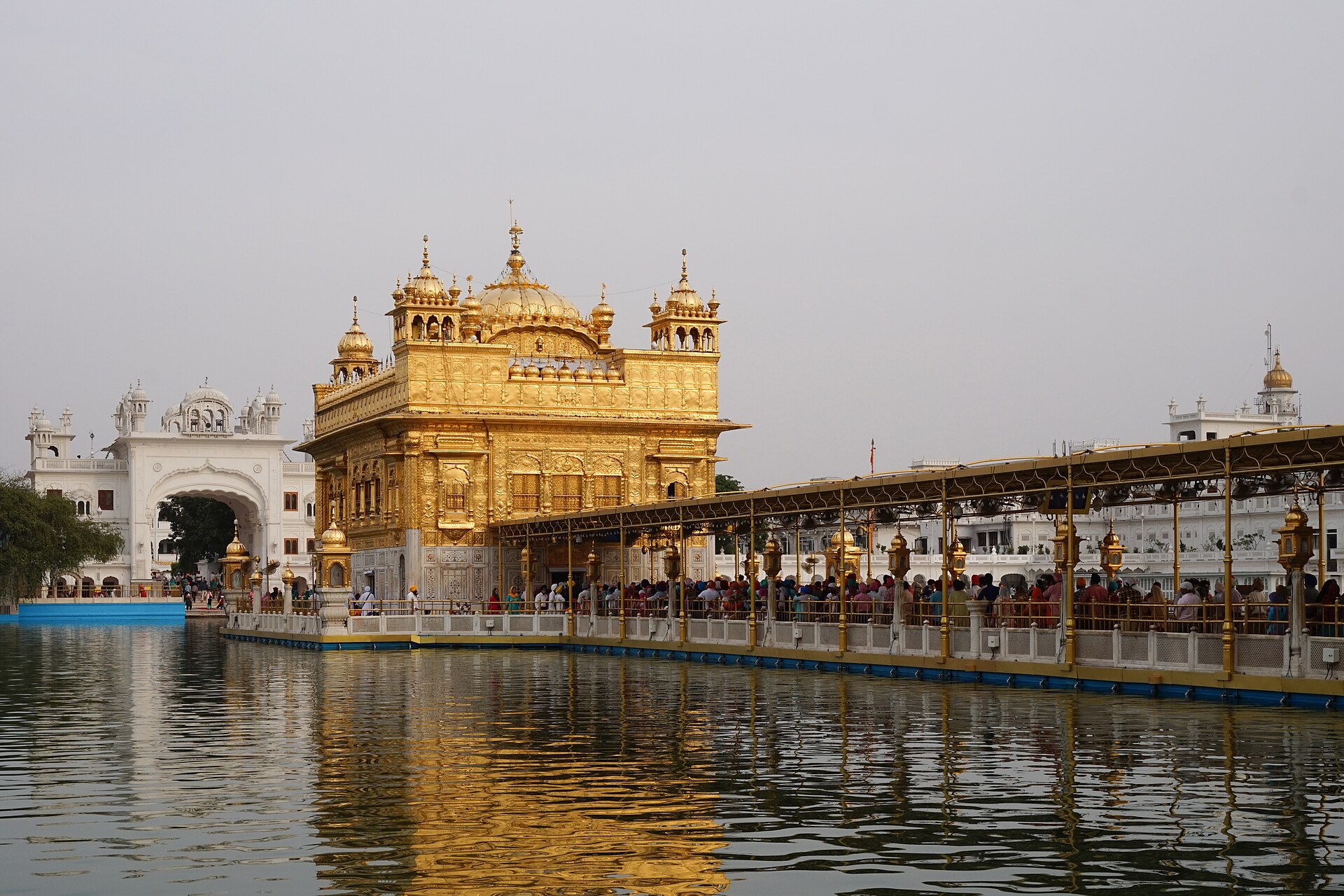
The line from Asa ki Var — why call her bad, from whom kings are born — is the most cited sentence in Sikh gender argument, and it does real work: Guru Amar Das banned sati and purdah among Sikhs, permitted widow remarriage, and put women in charge of preaching districts in the sixteenth century. It is also the line most often used to close a conversation rather than open one. Punjab has among the worst child sex ratios in India, sex-selective abortion is a documented problem in Sikh families in Punjab and in the diaspora, and the Rehat Maryada explicitly forbids association with those who practise female infanticide — a prohibition that exists because the practice did. Women are barred by custom, not by any written rule, from performing kirtan or seva inside the sanctum at the Golden Temple. Sikh women's organisations point out that the doctrine has been unambiguous for five hundred years and the institutions have not caught up.
Why call her bad, from whom kings are born?
Guru Nanak, Asa ki Var, Guru Granth Sahib Ang 473 (rendered)The line Sikh women have been quoting back at Sikh institutions since the Singh Sabha.
The same ground, other faiths
claims that share this one's ideasSign in to open the first thread. Everything here is attributed.