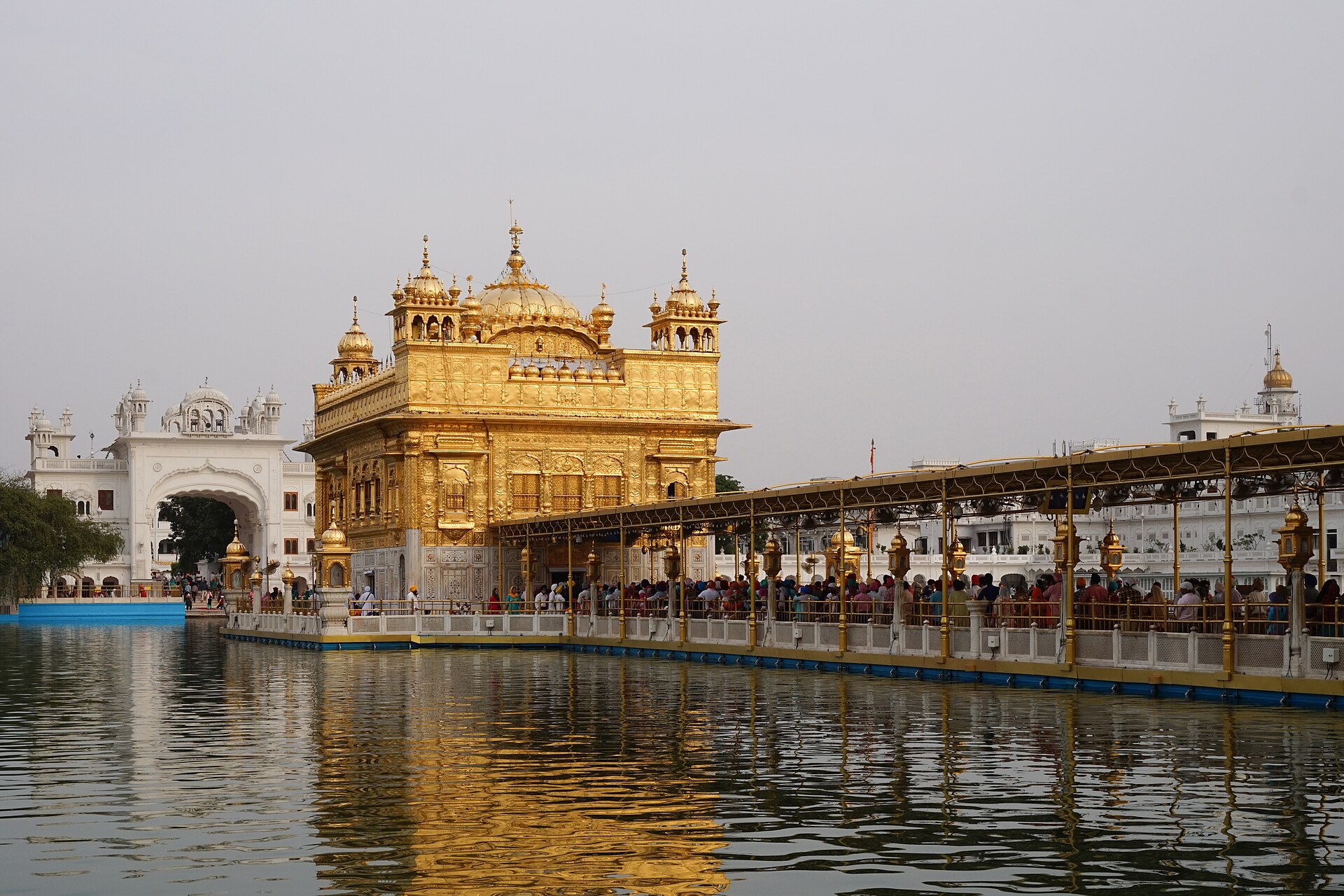
The SGPC — who holds the keys.
A statutory body created in 1925 after a five-year non-violent campaign to wrest the historic gurdwaras from hereditary custodians, with an elected house of 190 and control of enormous revenues. It has been dominated by the Shiromani Akali Dal almost throughout, which means the body that appoints the Akal Takht's jathedar is itself a prize in party politics.
The Shiromani Gurdwara Parbandhak Committee exists because of the Akali movement of 1920 to 1925, a sustained campaign of non-violent occupation to take the historic gurdwaras out of the hands of hereditary mahants who had accumulated them under British protection. Sikhs were beaten and killed doing it, notably at Nankana Sahib and Jaito, and the Sikh Gurdwaras Act of 1925 was the result. The SGPC now manages the historic shrines of Punjab, Haryana and Himachal, runs schools, colleges and hospitals, and controls revenues large enough to make its 190-seat house a serious political prize; the Shiromani Akali Dal has held it for most of its existence. The current fight is over the electorate. The 1925 Act allowed sahajdhari Sikhs — those who follow the faith without keeping the hair — to vote; the Punjab and Haryana High Court restored that right in 2011, and Parliament amended the Act in 2016 to remove it, disenfranchising a population variously estimated in the millions. Haryana broke away with its own statutory committee in 2014. Underneath the litigation is the unresolved theological question of who a Sikh is.
The same ground, other faiths
claims that share this one's ideasSign in to open the first thread. Everything here is attributed.