There is no priesthood.
A granthi reads and keeps the scripture, ragis sing, a kathavachak explains, and all of them are hired and paid by the local committee. None of them is ordained, none has sacramental powers a shopkeeper lacks, and the Rehat Maryada is explicit that any Sikh may perform any ceremony.
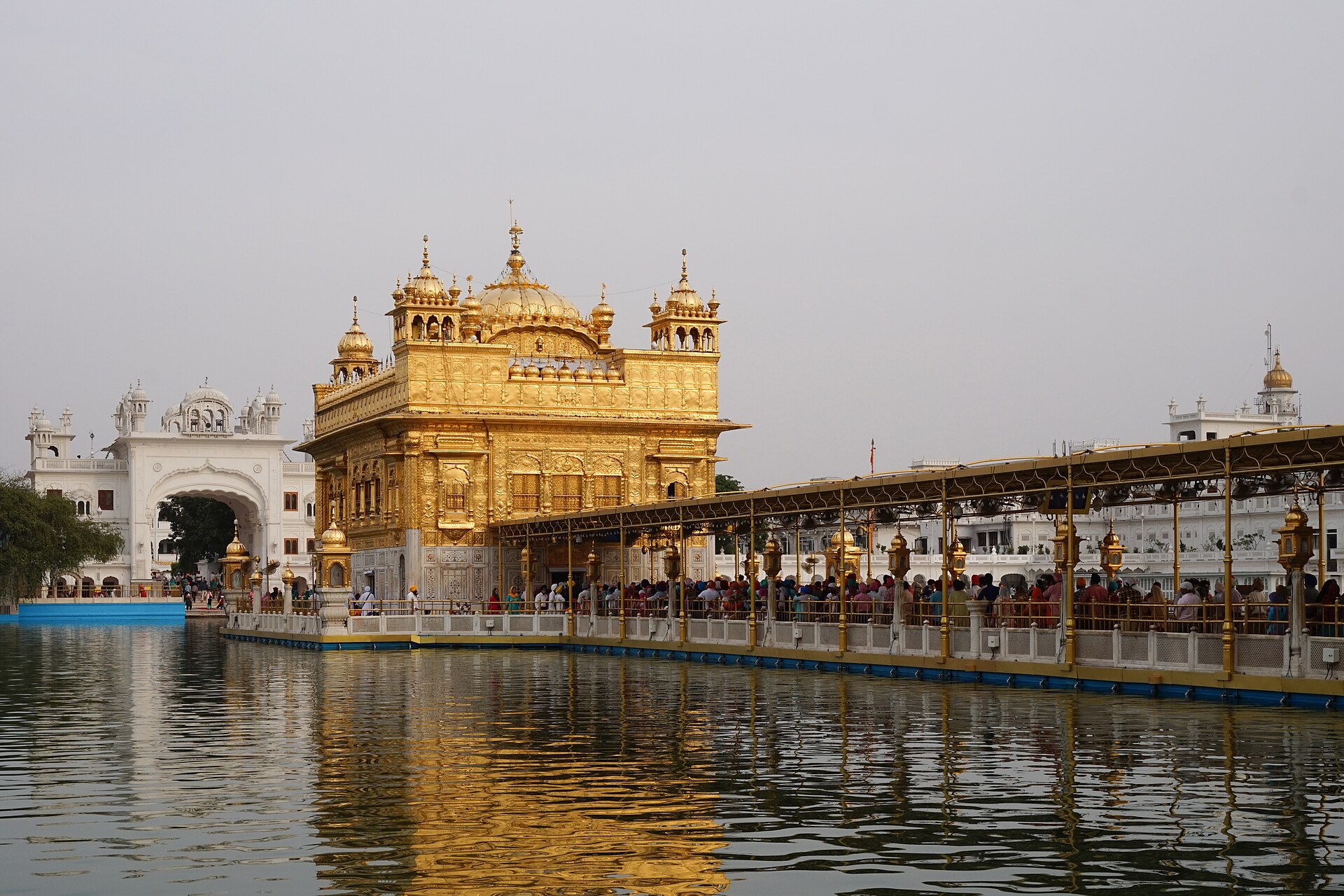
There is no ordination in Sikhism and this is not a technicality. A granthi keeps and reads the scripture, ragis sing kirtan, a kathavachak expounds, sevadars do everything else — and all of them are employed by the local committee, which can hire and fire them. They confer nothing a lay Sikh could not; the Rehat Maryada states that any Sikh may perform any Sikh ceremony. In practice a professional class exists with all the incentives that implies: granthis are often paid badly, are frequently migrants on visas dependent on the committee, and are vulnerable when they disagree with it. Diaspora gurdwaras have had recurring scandals about the treatment and immigration status of imported granthis and ragis. The one significant restriction is customary rather than written: women do not perform kirtan or seva in the sanctum at the Harmandir Sahib, a bar the Rehat Maryada does not contain and no jathedar has removed.
The same ground, other faiths
claims that share this one's ideasSign in to open the first thread. Everything here is attributed.