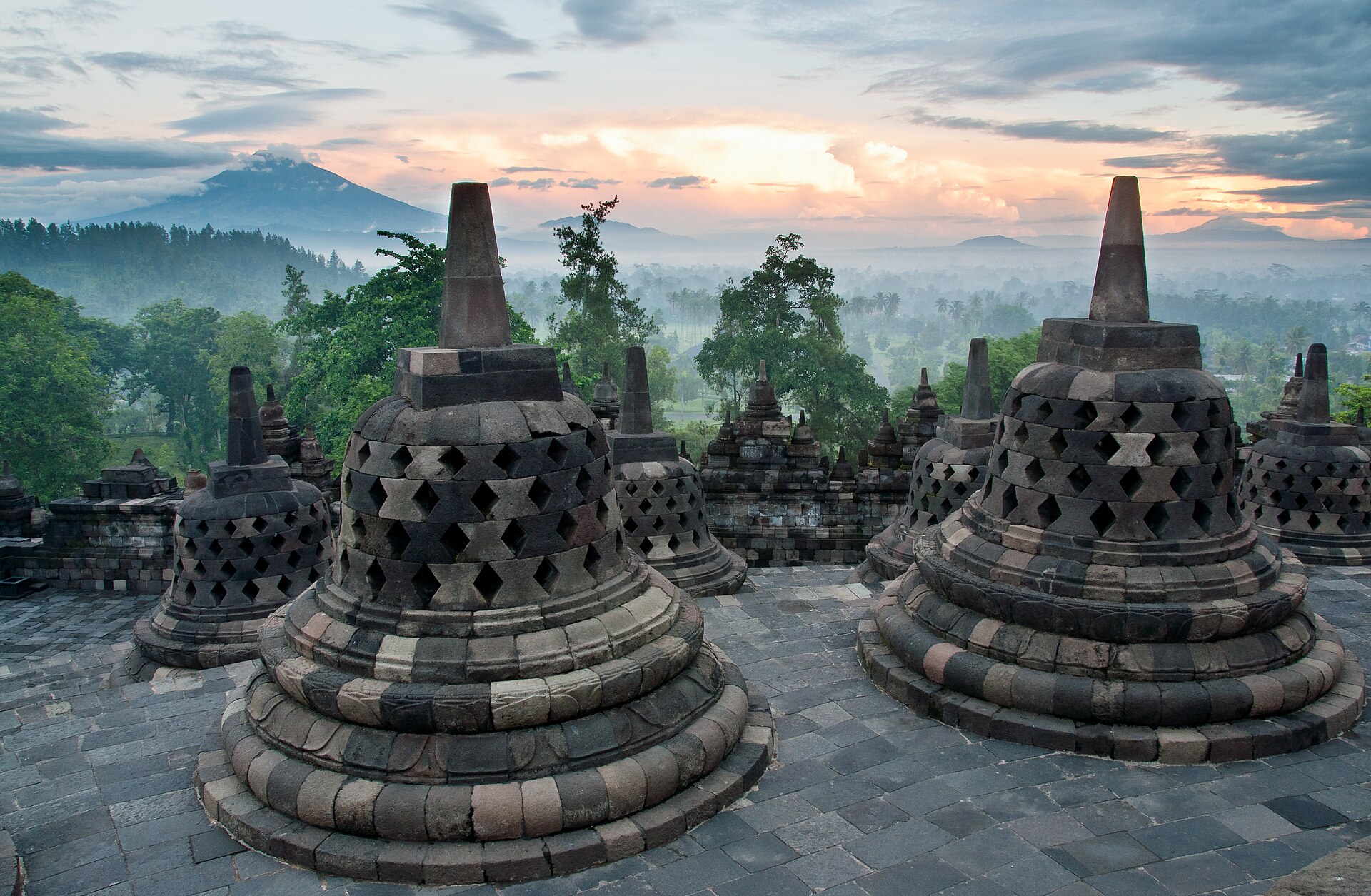
The Dhammapada.
The whole teaching filed down into 423 verses a farmer could hold in memory. If a Buddhist has read one book, it is this one.
The Dhammapada is the Buddhist text most people have actually read, and its form explains why: 423 short verses arranged by theme — the mind, the fool, the sage, anger, the world — each one memorisable in a breath. It sits in the Khuddaka Nikaya of the Pali Canon, most of its verses appear elsewhere in the canon or in other Indian literature, and its authority comes from compression rather than originality. The first Western translations arrived in the nineteenth century and shaped what Europe took Buddhism to be: ethical, aphoristic, and free of the ritual, cosmology and devotion that surrounded it everywhere it was practised.
The same ground, other faiths
claims that share this one's ideasSign in to open the first thread. Everything here is attributed.