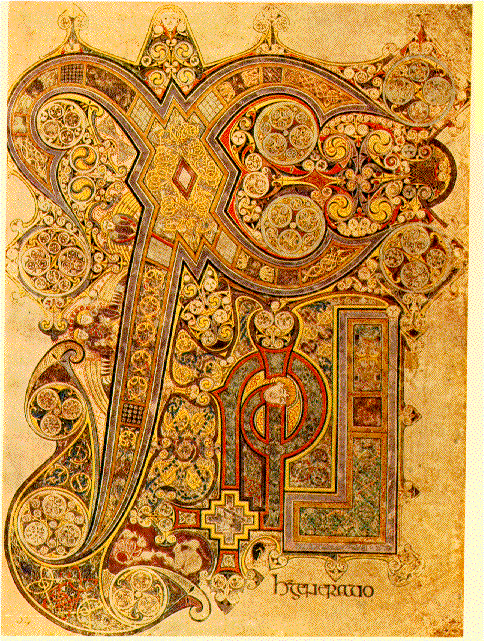
The cross did something — and no council ever said what.
Ransom paid to death, a debt settled to God's honour, the penalty borne in our place, the powers publicly defeated, love demonstrated past argument. Christianity defined the Trinity at Nicaea and the two natures at Chalcedon, and left the meaning of the crucifixion undefined for two thousand years.
It is genuinely striking that a religion whose central symbol is an execution has never dogmatically defined what the execution accomplished. The early Greek fathers spoke of a ransom, sometimes with a startling image of God baiting the devil. Anselm, around 1098, recast it as satisfaction owed to God's violated honour, in the terms of a feudal society that understood exactly what that meant. The Reformers turned satisfaction into penal substitution: the sentence falls, and Christ takes it. Abelard emphasised the demonstration of love that changes the observer. Gustaf Aulen in 1931 revived the ancient reading as Christus Victor, the defeat of the powers. Several of these coexist happily inside a single hymnbook. The live argument now is largely evangelical and internal, with a growing number of theologians in Africa, Britain and North America arguing that penal substitution as usually preached makes the Father into the problem and the Son into the solution, which is a Trinitarian error whatever else it is.
God was in Christ reconciling the world to himself, not counting their trespasses against them.
2 Corinthians 5:19The New Testament states the outcome and never supplies the mechanism.
The same ground, other faiths
claims that share this one's ideasSign in to open the first thread. Everything here is attributed.