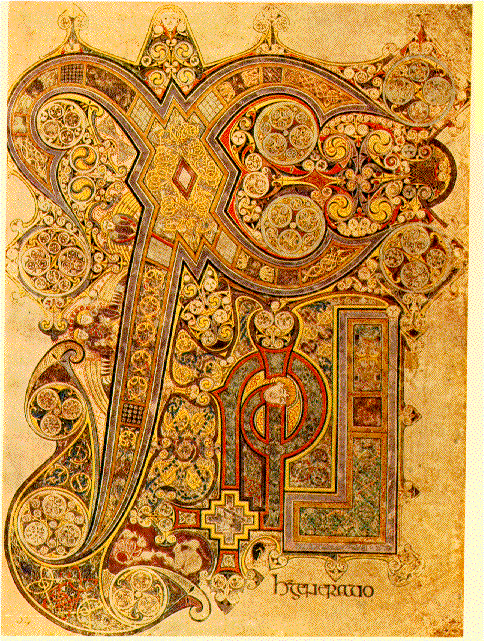
The road to Emmaus.
Two people walking away from Jerusalem, disappointed. A stranger joins them, explains the whole thing, and stays for supper. They know him the moment he breaks the bread, and at that moment he disappears. It is the shape of every eucharist since.
Emmaus is the resurrection appearance that shaped Christian worship more than any other, because its structure is the structure of the liturgy: the scriptures opened and explained on the road, then bread taken, blessed, broken and given, then recognition. Word, then sacrament. Luke is explicit that they did not recognise him for the whole walk, which the tradition has read in every direction — that the risen body is different, that grief blinds, that recognition is a gift rather than an inference. The detail that he vanishes the instant they know him is the one preachers keep coming back to: the presence is real and is not possessable. Cleopas is named and his companion is not, which has produced a long line of speculation that the second walker was his wife, and an even longer line of sermons inviting the hearer to occupy the empty slot.
The same ground, other faiths
claims that share this one's ideasSign in to open the first thread. Everything here is attributed.