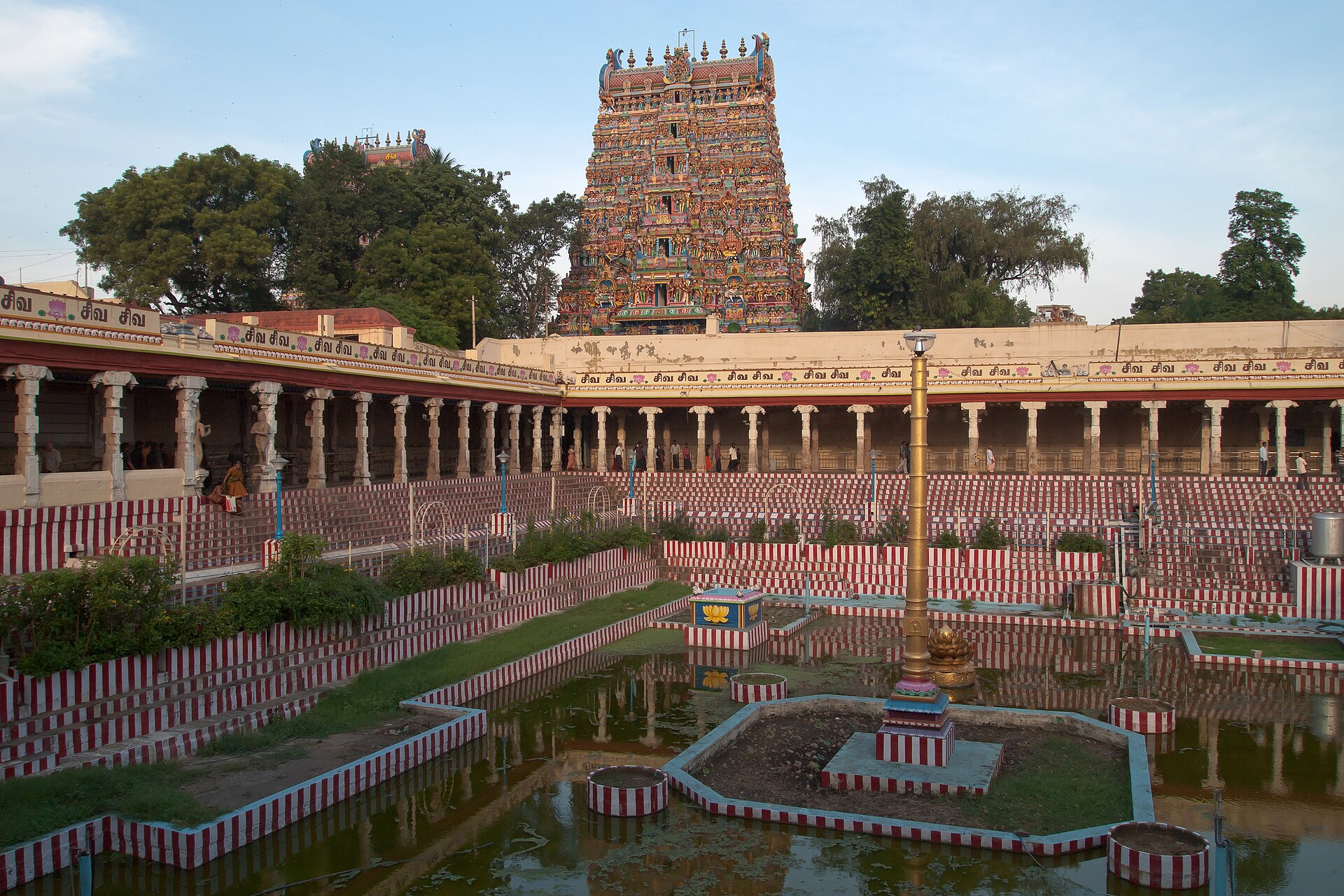
Satsang — the singing evening.
Bhajans and kirtan with harmonium, dholak and cymbals, a reading, and food afterwards. No priest is required and no caste rule survives an hour of it intact, which is why bhakti movements have always run on it.
Satsang is the closest thing Hinduism has to a congregation, and it is significant that it is optional, informal, and mostly domestic. A group meets weekly in a front room or a rented hall, sings bhajans led by whoever plays the harmonium, hears somebody read and expound a passage, performs aarti, and eats. There is no ordained leader, no fixed liturgy, and no membership. This is the format the bhakti movements ran on and it is why they spread so fast: singing together in the vernacular requires no Sanskrit, no thread, and no permission, and the caste rules that govern the kitchen are difficult to maintain in a room where everyone is shouting the same refrain. The diaspora leans on it heavily — a satsang can be held anywhere, and for many Hindu communities abroad it preceded the temple by twenty years.
The same ground, other faiths
rites that share this one's ideasSign in to open the first thread. Everything here is attributed.