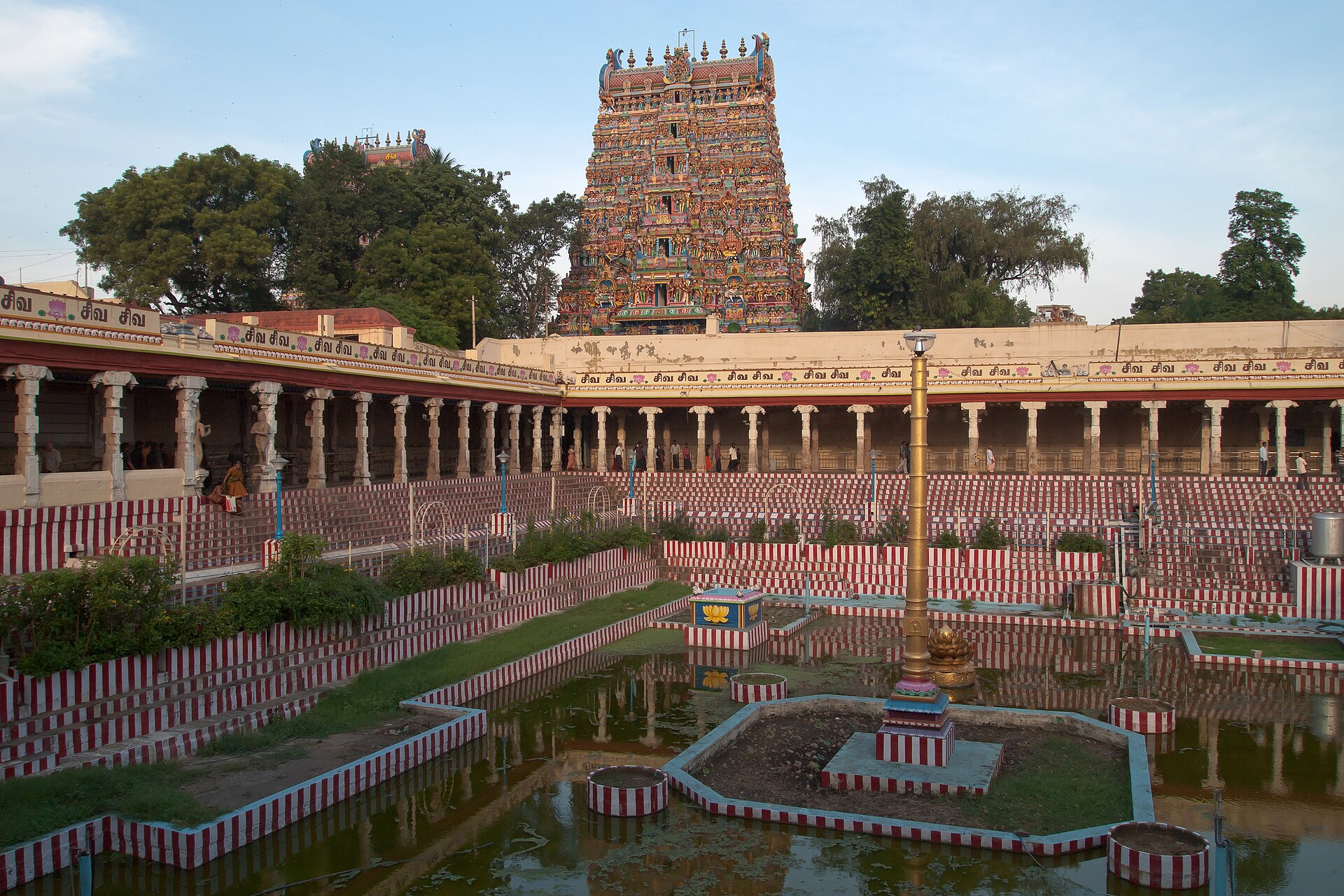
Scripture of Hinduism
The Bhagavad Gita.
Seven hundred verses on a battlefield: duty, devotion, and the self that cannot be slain.
LanguageSanskrit
Composedc. 200 BCE – 200 CE
What it holdsEighteen chapters within the Mahabharata
How it is usedMemorized, sung, and commented on by every school — the shared text of divergent Hinduisms
Understanding it — context, not catechism: how this passage is held
The Gita's position is unusual: it is technically smriti (remembered) rather than shruti (heard), an episode inside an epic, and yet it functions as Hinduism's most widely read scripture — the text sworn on in Indian courts, commented on by Shankara, Ramanuja, Madhva, Gandhi, and Aurobindo, each finding their own school in it. Its achievement is synthesis: it holds action, knowledge, and devotion together as valid paths rather than ranking one, which is why traditions that agree on little else all claim it.
The same ground, other faiths
claims that share this one's ideas
Taking refuge.
Buddhism · rite
Go deeper →
T
The yakshis.
Jainism · figure
Meet them →
T
The Shechinah — the presence that went into exile.
Judaism · figure
Meet them →
The image is permitted — and the church fought a civil war to decide it.
Christianity · core tenet
Go deeper →
K
Khadija — who believed first.
Islam · figure
Meet them →
Remember the Name.
Sikhism · core tenet
Go deeper →
Sign in to open the first thread. Everything here is attributed.