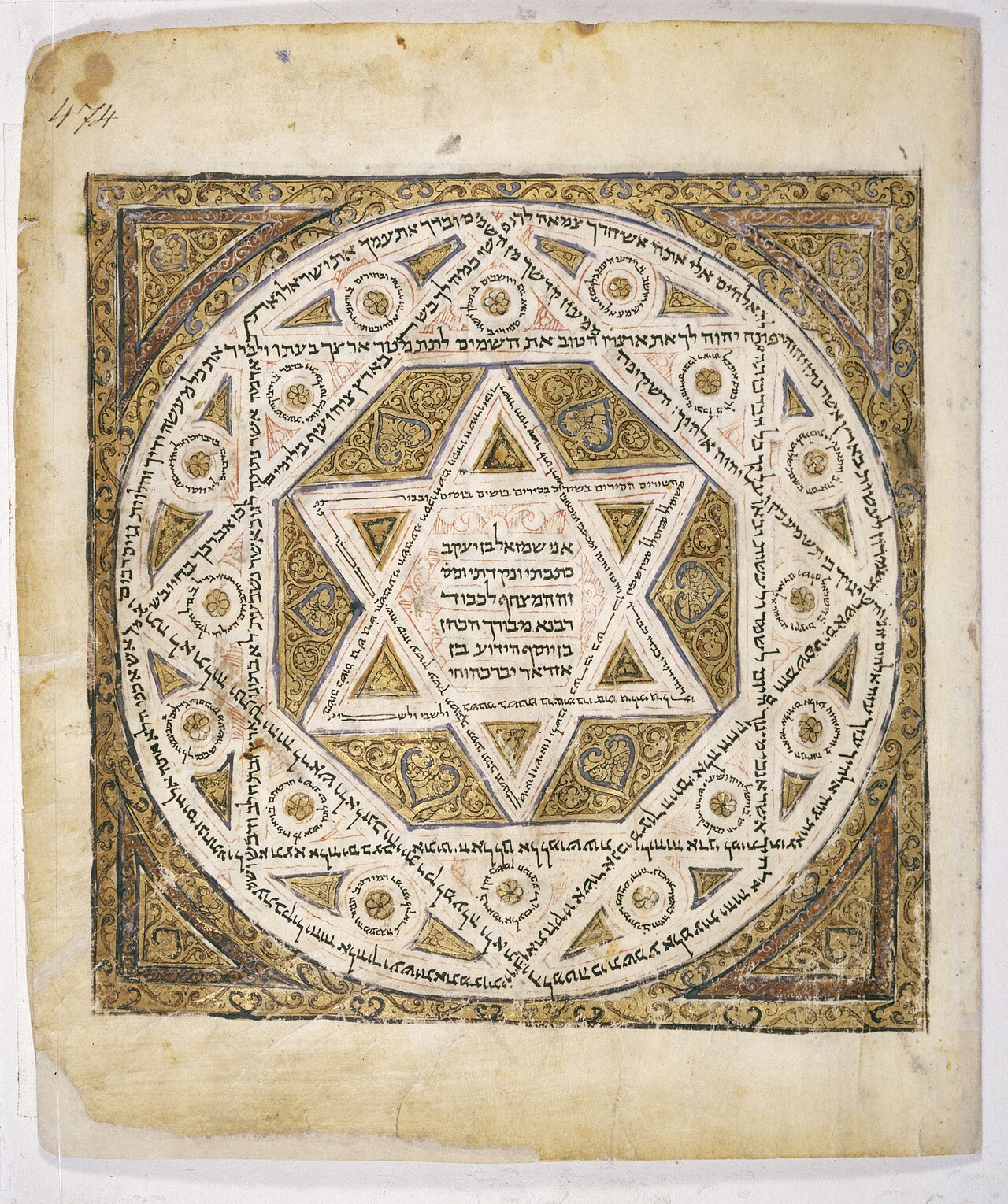
Shavuot — the night nobody sleeps.
The all-night study custom comes from the kabbalists of Safed, who read it as making up for the Israelites who overslept at Sinai. It is the least observed of the three pilgrimage festivals and the one non-Orthodox communities have revived most enthusiastically.
Shavuot has no defining object — no shofar, no sukkah, no seder plate — which is part of why it is the least observed of the three pilgrimage festivals. What it has is a night. The tikkun leil Shavuot, an all-night study session, comes from the kabbalists of sixteenth-century Safed, who framed it as repairing the sleep of the Israelites who overslept on the morning of the revelation, and it has become one of the most successfully revived Jewish practices anywhere: synagogues, community centres and secular Israeli institutions run all-night programmes with hundreds of people. The Ten Commandments are read at dawn with the congregation standing. Dairy food is customary and the explanations are all retrofitted — Ashkenazi cheesecake and blintzes, Iraqi cheese sambusak, Greek and Turkish cheese pastries. Ruth is read, because she accepted the Torah by choice and because the story is set at the barley harvest. Yemenite and Sephardi communities read a ketubah between God and Israel, a poetic marriage contract written in sixteenth-century Safed, which frames Sinai as a wedding.
The same ground, other faiths
rites that share this one's ideasSign in to open the first thread. Everything here is attributed.