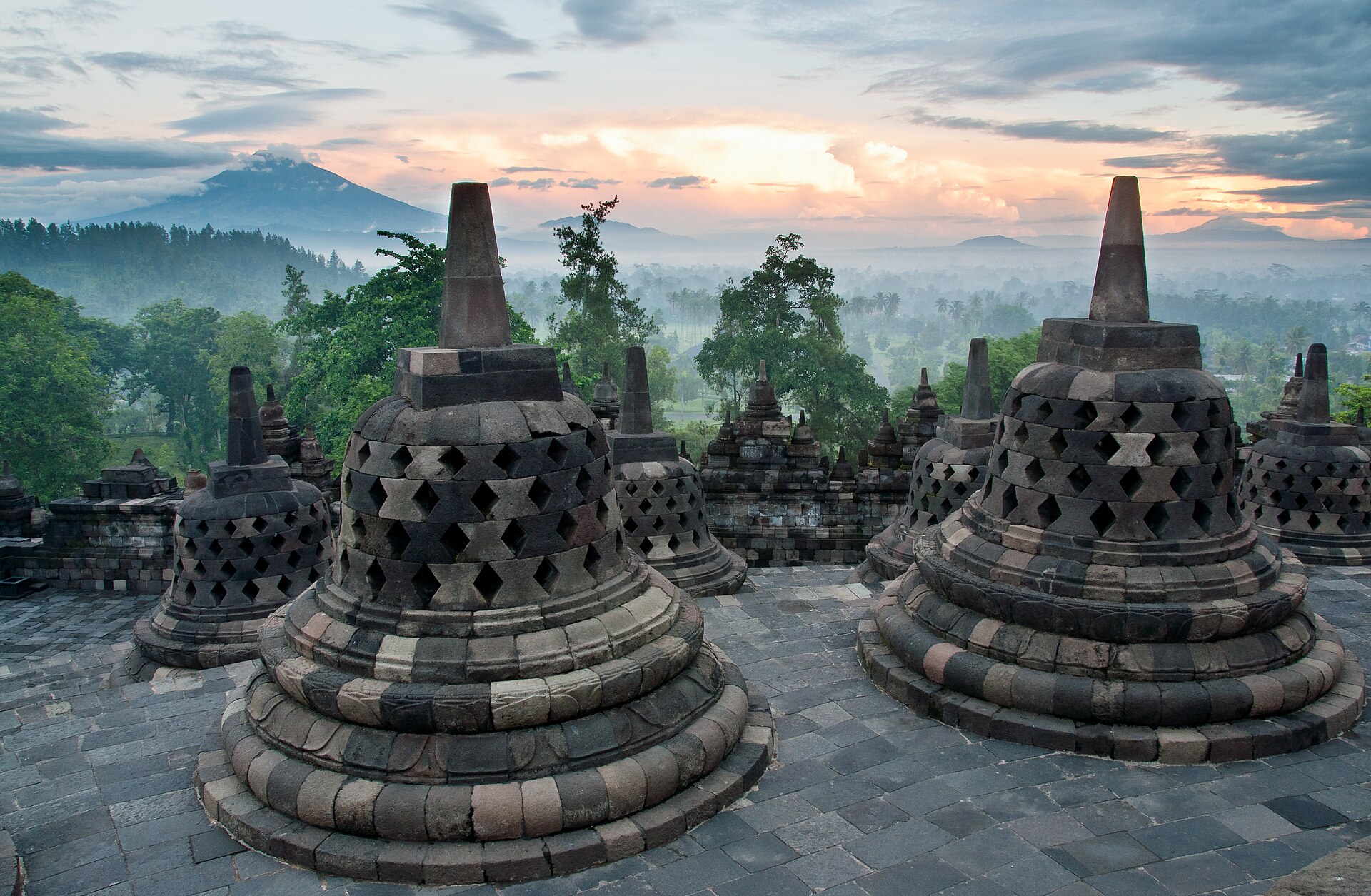
No pope, many lineages.
Authority is carried by ordination lineages and teachers, not a central see; councils settle what they can, geography does the rest.
Buddhism has no central authority and never has. The Dalai Lama heads one school of Tibetan Buddhism, not the religion; the various Theravada sanghas answer to national councils; Zen lineages are certified teacher to student. What holds it together is transmission — the traceable line back through teachers — plus the Vinaya, which is why lineage disputes are the tradition's characteristic form of conflict. The upside is enormous adaptive range: the same religion produced Thai forest monks, Japanese married priests, and Californian lay teachers.
The same ground, other faiths
claims that share this one's ideasSign in to open the first thread. Everything here is attributed.