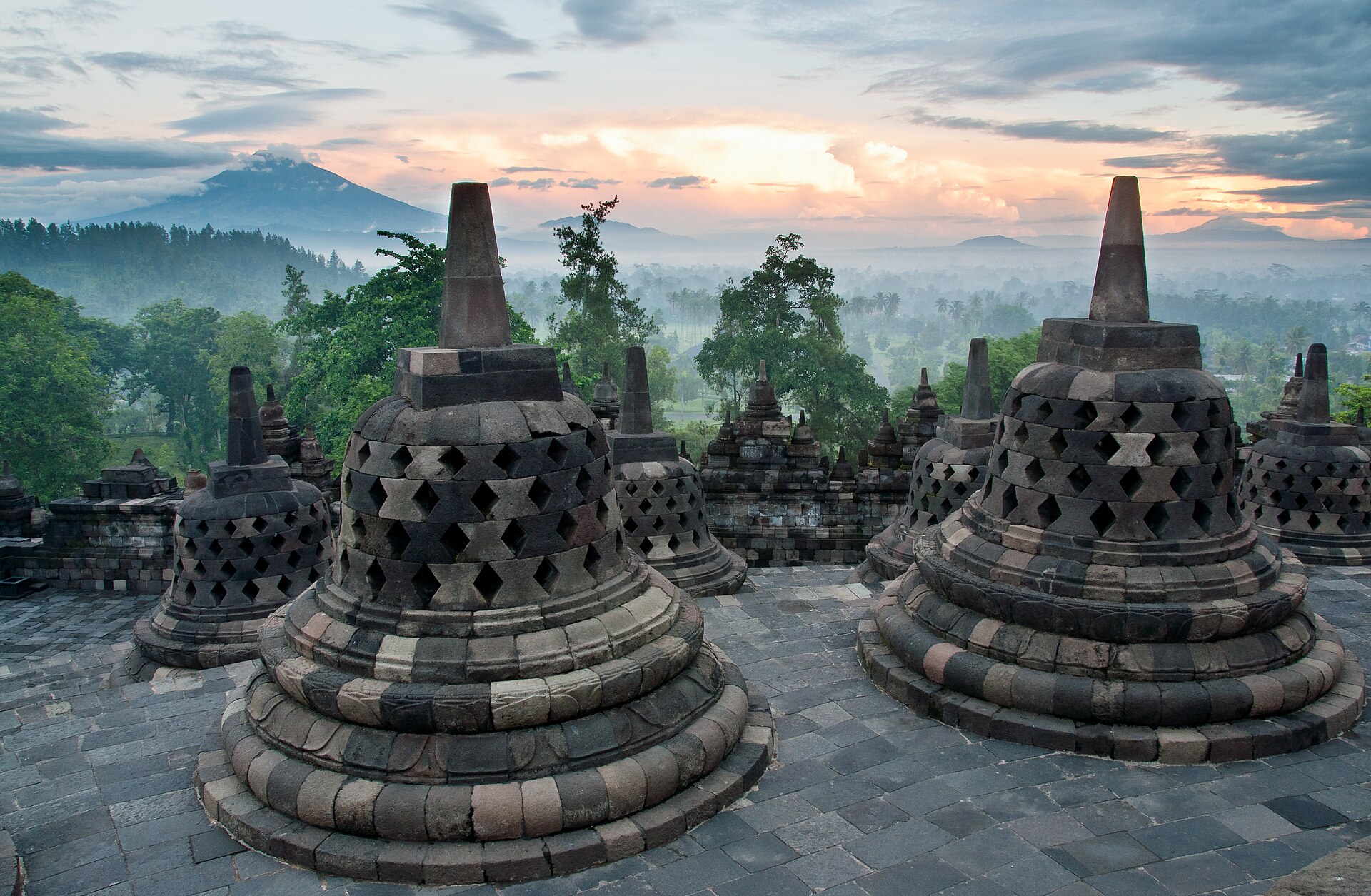
All things are empty of own-being.
Sunyata: emptiness is not nothingness but the absence of independent existence. Nagarjuna pushed it all the way — even emptiness is empty, or it becomes one more thing to hold.
Emptiness is the claim that divides the Buddhist world. Nagarjuna, around the second century, argued that nothing has svabhava — own-being, an essence it holds independently — because everything arises dependently, and that this is what dependent arising was saying all along. The Theravada tradition uses the word too but keeps it narrower, applied to persons and to phenomena as not-self rather than as a universal solvent. The famous move is the last one: emptiness itself is empty, a medicine and not a position, and the texts warn that a person who turns emptiness into a thing they believe has caught the snake by the wrong end.
Whatever arises dependently is explained as empty. That is the middle way.
Nagarjuna, Mulamadhyamakakarika 24 (rendered)Emptiness offered as a restatement of dependent arising, not a new doctrine.
The same ground, other faiths
claims that share this one's ideasSign in to open the first thread. Everything here is attributed.