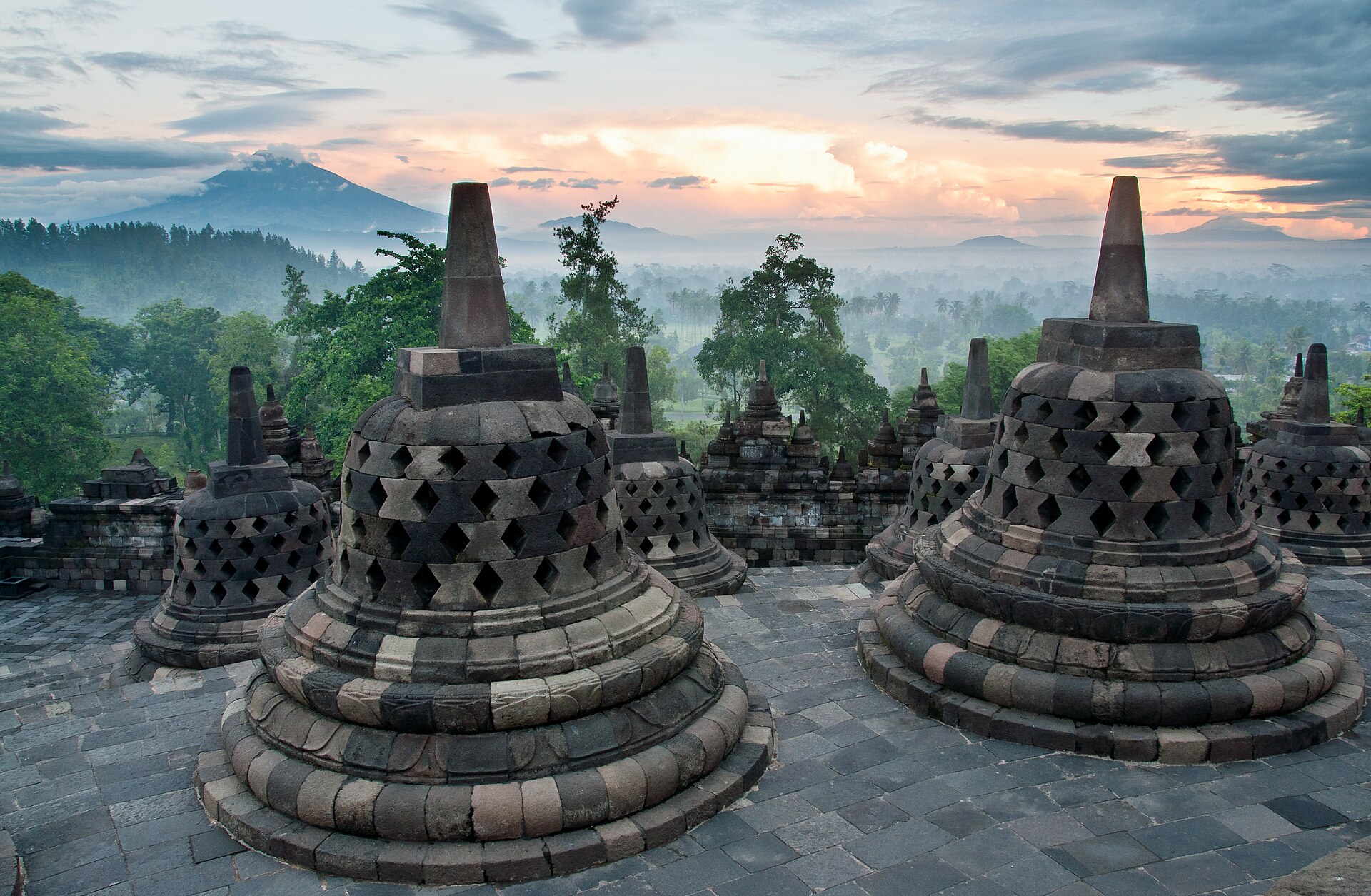
The Abhidhamma.
The third basket: the teaching restated with the people taken out. No monks, no kings, no stories — only mental events, their conditions, and how long each one lasts.
The Abhidhamma is the strangest thing in the Pali Canon and the least read outside monastic education. It takes the discourses and removes the narrative frame entirely: no listeners, no locations, no persons, only dhammas — the irreducible mental and physical events — classified, cross-indexed, and analysed for what conditions what. The Theravada counts eighty-nine types of consciousness. The point is to make anatta operational: if a person can be exhaustively described as a stream of impersonal events with nothing left over, the self was never among the parts. In Myanmar it is chanted for the dead and studied seriously; elsewhere in the Buddhist world it is largely left alone.
The same ground, other faiths
claims that share this one's ideasSign in to open the first thread. Everything here is attributed.