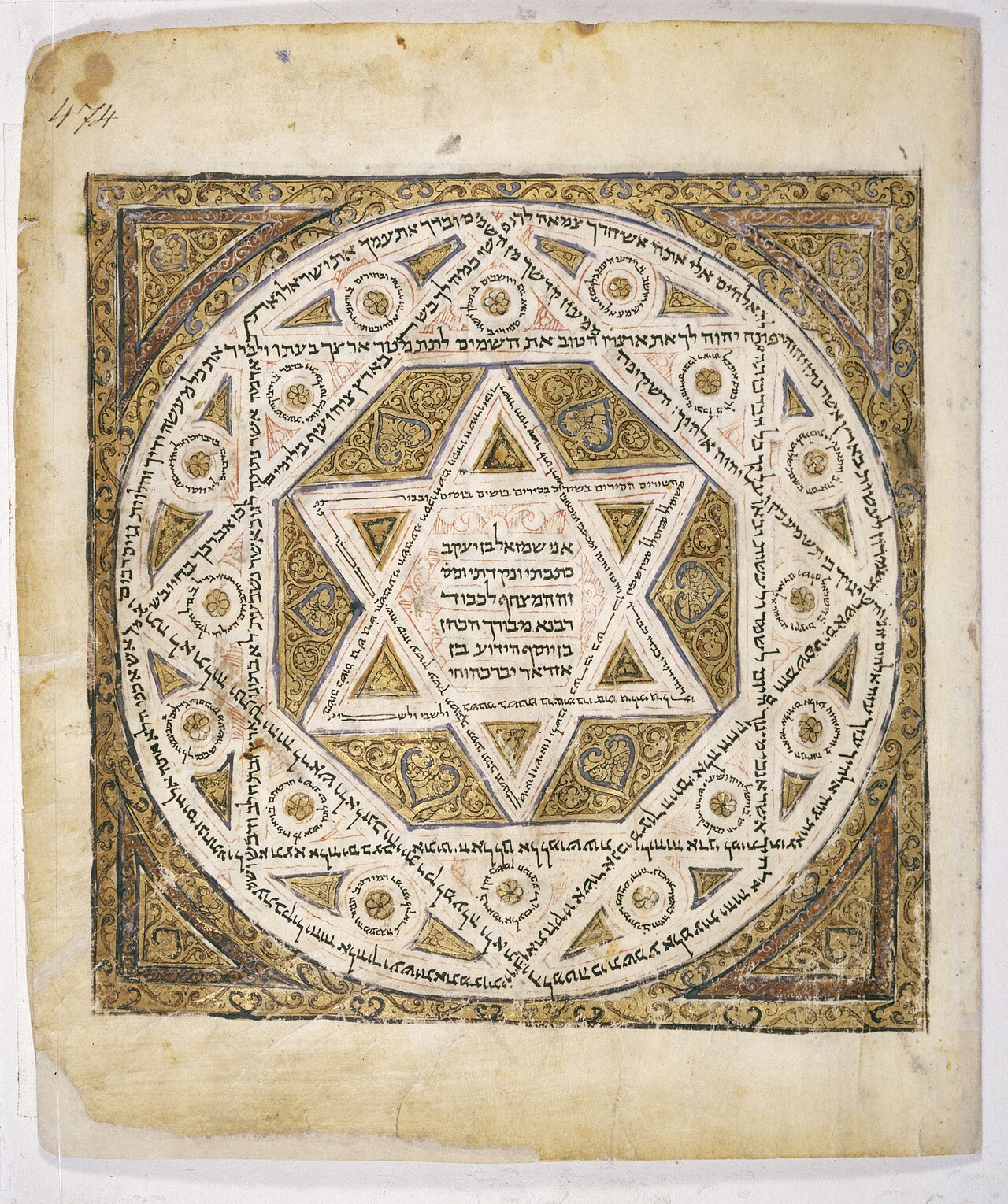
The prophets — Amos, Isaiah, Jeremiah, Ezekiel.
Amos told a congregation that God hates their festivals and will not listen to their music, and the book kept the line in. The prophetic complaint is almost never about heresy and almost always about what is being done to the poor.
The haftarah system means no week passes without a prophetic passage read alongside the Torah, so the reproach is structural rather than occasional. What the prophets say is remarkably consistent and remarkably uncomfortable: the sacrifices are worthless while the poor are being crushed, the fast God wants is to loose the bonds of injustice, and the festivals God hates are the ones being kept. Isaiah 58, read on Yom Kippur morning, tells a fasting congregation that their fast is not the point. Prophecy is held to have ceased with Malachi, and the closure is deliberate — the oven of Akhnai story exists to establish that a heavenly voice does not get a vote in legal argument. That leaves the prophetic role vacant, and Jewish social-justice movements from the labour unions to Reform Judaism's prophetic Judaism to contemporary Israeli protest movements have all claimed it, which not everyone accepts as legitimate.
The same ground, other faiths
claims that share this one's ideasSign in to open the first thread. Everything here is attributed.