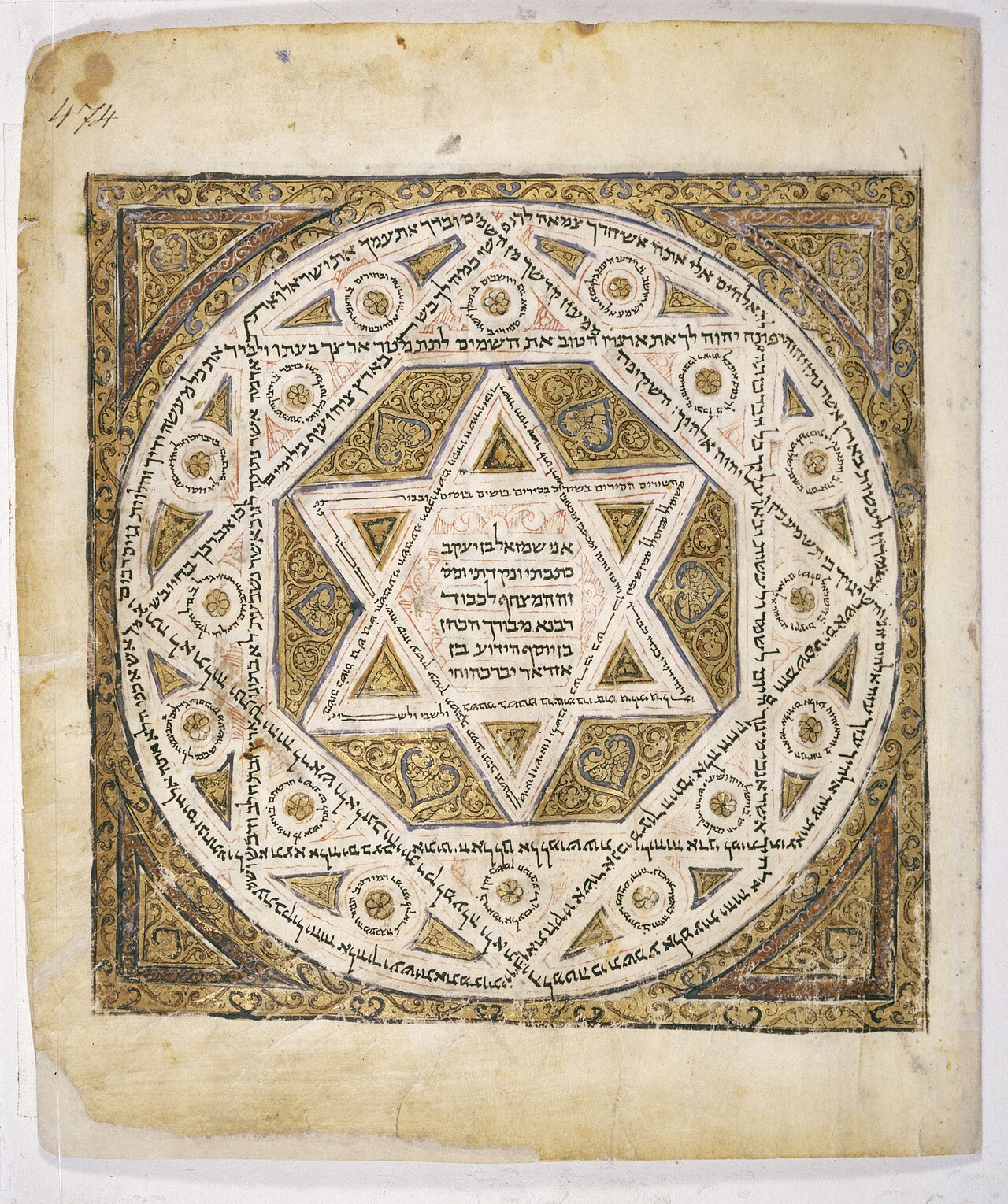
Leningrad Codex carpet page, 1010 CE · public domain

Judaism

Tradition·Founded c. 1000 BCE·est. ~15 million worldwide

Judaism → 8 branches

Branch
D Figure of Judaism

David — king and penitent.

Shepherd, giant-slayer, king, adulterer, poet: the tradition keeps the whole man, and the messiah is promised from his line anyway.

Names & titlesDavid — the shepherd king
DomainKing, poet, penitent — the messiah's promised line
RelationsSon of Jesse; father of Solomon; the psalms carry his name
Depicted asHarp and sling; the boy who felled Goliath and the king who fell himself
StandingBeloved not despite his failures but through them — the psalms are the proof
Understanding it — context, not catechism: how this passage is held

David is the tradition's test case for whether greatness survives disclosure. The text does not protect him: he takes another man's wife, arranges the husband's death, and is confronted by a prophet who tells him a story until he condemns himself. He repents, is forgiven, and is not spared the consequences — the child dies, his household unravels. The messianic line runs through him anyway, and that is the theological claim: the promise attaches to a repaired man, not a clean one.

From the sources — the passages this rests on; concise renderings, cited

A broken and contrite heart, O God, you will not despise.

Psalm 51:17

The penitent king's line — tradition sets the psalm after his worst act.

The same ground, other faiths

claims that share this one's ideas
The cross was a second-best outcome. The Unification Church (Family Federation) · core tenet Go deeper →
M Maitreya — the one to come. Buddhism Meet them →
In Jesus, God became human. Christianity · core tenet Go deeper →
The People of the Book are not idolaters. Islam · core tenet Go deeper →
Continuity is the argument. Orthodox Judaism · core tenet Go deeper →

The conversation

argument stays attached to the claim it is about All discussion →

Sign in to open the first thread. Everything here is attributed.

Built on Hatchable